
Results: 3055

For: Populations and settings

Neurodevelopmental conditions and mental health research: it’s time to #EmbraceComplexity!

Featured

In her debut blog, Suzi Sapiets summarises a review exploring psychological treatment of depression in young people with neurodevelopmental conditions, which finds very limited evidence to help neurodiverse individuals. She also tells us that it’s time to #EmbraceComplexity and encourages people to join the Embracing Complexity Research Network.

[read the full story...]


COVID-19 impact on people with intellectual and developmental disabilities, their families and professionals supporting them

nathan-anderson-J3Xjyg5m8kY-unsplash

A group of MSc students from UCL provide an empirical summary of the evidence exploring the impact of the COVID-19 pandemic on people with intellectual disabilities, their families and the mental health professionals supporting them.

[read the full story...]

Parenting in the smartphone age: there may be technoference on the picture #CAMHScampfire

Hands,Of,Internet,And,Network,Addict,Mother,And,Father,Using

Douglas Badenoch helps us prepare for another CAMHS Around the Campfire session by tuning into the real effect of smartphone use on parenting; a multiverse analysis carried out by Kathryn L. Modecki and colleagues from Griffith University in Queensland, Australia.

Follow #CAMHScampfire on Twitter at 9.30am BST on Wednesday 23rd June for an online journal club discussing this paper. Or sign up now to join the free webinar hosted by ACAMH.

[read the full story...]

The COVID-19 pandemic is harming our mental health, and it’s affecting some more than others

When interpreting the results from this study, the recruitment method and representativeness of the sample need to be considered.

In his debut blog, Christian Dalton-Locke reviews a recent longitudinal (online survey) study, which looks at mental health outcomes during the COVID-19 pandemic. The research finds that women, young adults, those from socially disadvantaged backgrounds, and people with pre-existing mental health problems were affected worse than others.

[read the full story...]

Dementia care during COVID-19: difficult choices for unpaid carers

Woman,Helping,Senior,Woman,Dress,In,Her,Bedroom

In her debut blog, Catherine Talbot reviews a recent qualitative study, which explores the decision-making process for receiving paid home care for people with dementia during COVID-19.

[read the full story...]
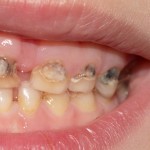
Early childhood caries: Global prevalence

shutterstock_156617546

The 2019 Bangkok Declaration defined early childhood caries (ECC) as the presence of a primary tooth with one or more carious (non-cavitated or cavitated lesions), missing (due to caries), or filled surfaces in a child under the age of six years. While dental caries is a preventable chronic health problem it remains a significant public [read the full story…]

How common is mental illness in children aged 1-7 years old?

Featured

Jennifer Lau and Meenakshi Shukla explore a recent meta-analysis which finds that worldwide, 1 in 5 children aged 1-7 years old will experience a mental health condition.

[read the full story...]

Online sharing of self-harm–related images amongst young people: a cause for concern?

leon-NYMJYXfZG-g-unsplash

In her debut blog, Prianka Padmanathan summarises a recent systematic review on the impact of online sharing and viewing of self-harm–related videos and photographs among young people.

[read the full story...]

Maudsley guidelines for physical health

Best Practice concept. Magnifying Glass on Old Paper with Red Vertical Line Background.

“There are many other ways to get our patients better than prescribing and talking.”

Shuichi Suetani reviews a recently published textbook: The Maudsley Practice Guidelines for Physical Health Conditions in Psychiatry.

[read the full story...]

Parents and carers of children with an intellectual disability: what do we know about their wellbeing?

nathan-anderson-GM5Yn5XRVqA-unsplash

Charlie Lynch and Derek Tracy review a study on childhood intellectual disability and parents’ wellbeing, which integrates social, psychological and genetic influences.

[read the full story...]