
The evidence-base supporting the use of exercise for depression is ever growing. Susie Johnson reports on a recent systematic review that adds to the discussion, but it’s not without its own limitations.
[read the full story...]
The evidence-base supporting the use of exercise for depression is ever growing. Susie Johnson reports on a recent systematic review that adds to the discussion, but it’s not without its own limitations.
[read the full story...]
Many of our older readers will remember tales of the Great Elf Mother running miles every day, o’er hills and vales, to bring the very latest evidence-based research to us younger elves at the breakfast table. It was she who inspired our National Elf Service, and I’m delighted to say that she’s still going strong [read the full story…]

Exercise is usually promoted as a healthy behaviour, with government guidelines on how much we should all do per week. At the right levels many people find exercise an enjoyable way to improve their health, but is this always the case? For a particular group of people who have problems with eating and weight, this [read the full story…]

Some mental health interventions feel intuitively right. Exercise for depression is a great example. Of course, people suffering from low mood, poor motivation, lethargy and all of the other symptoms of depression will benefit from a jog around the park and some fresh air, right? The logical explanation for how this might help is fairly [read the full story…]
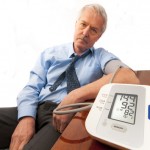
Individuals with severe mental illness (SMI) have shortened life expectancies compared to the general population. This is partly down to higher rates of chronic physical illness. Cardiovascular disease (CVD) is the leading cause of death among patients using mental health services. It is assumed that interventions used to reduce CVD are similarly effective in patients with [read the full story…]

In the UK alone it’s estimated over two million adults have type 2 diabetes. That clearly warrants some serious research into its prevention and treatment, including the valuable role of exercise. We also know the effects of diabetes are not confined to physical problems, linked as it is to reduced quality of life as well [read the full story…]

Depression is a common problem in older adults with some data suggesting significant symptoms are present in over 40% of nursing home residents (Teresi, 2001). Clearly physical exercise has a number of benefits particularly with regards to cardiovascular health. Some of you may remember the Mental Elf blog back in September 2012 with positive results from [read the full story…]

People with serious mental illness have mortality rates 2-3 times as high as the general population. The primary cause of death is cardiovascular disease, which in turn is due to an extremely high prevalence of obesity (twice that of the overall population). Physical inactivity, unhealthy diets, and weight gain from psychotropic medication are all factors [read the full story…]

This blog entry is the second in a series which is examining the mental health benefits of yoga. Last month I blogged about yoga for psychiatric disorders, and today I shall be looking specifically at the benefits for schizophrenia. The benefits of exercise and physical activity for schizophrenia are increasingly being recognised. Regular exercise can [read the full story…]

Here at Mental Elf HQ, several new pieces of research relating to yoga have come our way. This blog is the first in a series examining the mental health effects of engaging in yoga. Yoga is a form of exercise (largely comprising physical postures and breathing) which originated in India over 5,000 years ago. Many [read the full story…]