

This three year long prospective cohort study involving over 1,000 young Swedish adults found that the Cariogram system was no better than existing methods for caries risk assessment.
[read the full story...]
This three year long prospective cohort study involving over 1,000 young Swedish adults found that the Cariogram system was no better than existing methods for caries risk assessment.
[read the full story...]
Liz Hughes reviews two recent Lancet papers about the health needs of people who are homeless and the best ways to meet these needs.
[read the full story...]
This study compared the diagnostic accuracy of dental screening by hygiene-therapists with dentists. The results show that they could be used to screen for caries and periodontal disease. This could allow for a change in the traditional model of dental care seen in the UK.
[read the full story...]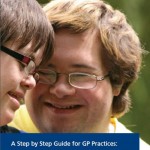
Down syndrome is the most common cause of learning disability in the UK and life expectancy has shown a dramatic increase in the last fifty years. However, people with Down syndrome face significant health issues.
In this blog, GP Matt Hoghton looks at a recent clinical review published in the BMJ, which provides advice and guidance on managing care and support for people with Down syndrome.
[read the full story...]
Sally Adams summarises a new BMJ systematic review and meta-analysis of working hours and alcohol use, which finds a link between longer working hours and risky alcohol consumption.
[read the full story...]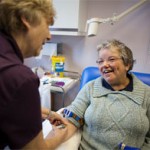
The Directed Enhanced Scheme offers reimbursement to GP surgeries to carry out annual health checks for people with learning disabilities. Here, we report on a cohort study which looked at the impact of the scheme over a three year period.
[read the full story...]
Elly O’Brien summarises a recent RCT of folic acid for depression, which explores whether mood disorders can be prevented in young people at familial risk. The trial finds no evidence that folic acid supplementation reduces the incidence of mood disorders compared to those taking placebo.
[read the full story...]
Andrew Jones appraises a recent study of mortality and life expectancy of people with alcohol use disorders in Denmark, Finland and Sweden, which provides some useful insight into the impact of hazardous alcohol use.
[read the full story...]
Should all molecular research institutes looking at neurodegenerative diseases be replaced by parks, playgrounds and cycle paths? Mark Horowitz highlights a recent systematic review of modifiable risk factors associated with cognition and dementia, which suggests that from a public health perspective, there may be some sense in this idea.
[read the full story...]
We are grateful to Josephine Neale who has read the 104 page World Alzheimer Report 2014 and summarised it for us in this very readable blog. The report is a comprehensive analysis of the risk factors for dementia, which focuses on a range of protective and modifiable factors.
[read the full story...]