oral health

The optimal state of the mouth and normal functioning of the organs of the mouth without evidence of disease.

Our oral health Blogs

Periodontal disease: Does it increase risk of Alzheimer’s disease and mild cognitive impairment?

Participants who reported higher levels of depression and social isolation had greater risk of loneliness, along with people living alone with dementia.

This blog on a review evaluating the association between periodontal disease (PD), Alzheimer’s disease (AD) and mild cognitive impairment (MCI) was written by the Scottish Special Care StRs following a critical appraisal workshop. The review included 13 studies and suggests a link between PD and AD/MCI, but the evidence is limited.

[read the full story...]

Orthodontic ligation methods and biofilm formation

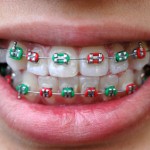
iStock_000002551343XSmall colourful braces on teeth

This review comparing elastomeric ligation with self-ligation and steel wire ligation for orthodontic appliances and their effect on clinical outcomes included 11 RCTs. The findings suggest no significant differences although the trials were small with a majority at high risk of bias.

[read the full story...]

Caries risk models – Predictive performance

shutterstock_48486751 stomatologist shows x-ray

Sergio Uribe in his first Dental ELf blog looks at this review of the predictive performance of seven caries risk assessment models. While the findings suggest a resonable performance from the full and reduced Cariogram more high quality studies are needed in particular in relation to communication of risk to patients and its impact.

[read the full story...]

Lasers for treatment of dentine hypersensitivity?

shutterstock_44187316

This Cochrane review of the effectiveness of lasers in the treatment of dentine hypersensitivity included 23 RCTs. The findings suggest that lasers may reduce pain intensity at short, medium, or long term when compared to placebo/no treatment. However the evidence is limited and of low to very low certainty.

[read the full story...]

Tooth loss during long-term periodontal maintenance

shutterstock_2584741

This review evaluating risk factors / predictors of tooth loss in patients with periodontitis having periodontal therapy and long-term periodontal maintenance (PM) included 33 studies only 3 of which were prospective. There findings suggest that patients having long-term PM suffer the loss of 1 tooth per patient every 10 years.

[read the full story...]

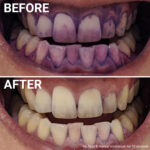
Plaque disclosing methods: Do they lead to improvements in oral health?

Plaque Disclosing 
Disclosing solutions

This review of whether plaque-disclosing (PD) methods, applied by dental professionals or at-home with verbal oral hygiene instruction (OHI)improved plaque control compared with OHI alone included 7 RCTs involving 430 patients.

[read the full story...]

Rubber bristles interdental cleaners as an adjunct to toothbrushing

shutterstock_87714310

This review of the efficacy of rubber bristles interdental cleaners (RBIC) as an adjunct to toothbrushing (TB) included 6 RCTs. The findings provide weak to very weak certainty evidence for the use of RBICs for gingivitis and plaque reduction.

[read the full story...]

Early childhood caries: Global prevalence

shutterstock_156617546

The 2019 Bangkok Declaration defined early childhood caries (ECC) as the presence of a primary tooth with one or more carious (non-cavitated or cavitated lesions), missing (due to caries), or filled surfaces in a child under the age of six years. While dental caries is a preventable chronic health problem it remains a significant public [read the full story…]

Curcumin mouthwashes for plaque and gingivitis

Tumeric, curcumin

This review of the efficacy of curcumin mouthwash on plaque and gingivitis in comparison with chlorhexidine included 6 RCTs. While the findings suggest that curcumin mouthwashes have promising anti-plaque and anti-gingivitis properties 5 of the 6 studies were at high risk of bias.

[read the full story...]

Sugar free gum and streptococcus mutans levels

shutterstock_88561078

This review of the impact of sugar-free gum (SFG) on the level of oral micro-organisms, specifically Streptococcus mutans included 13 studies 11 of whihc were RCTs. The findings indicated that SFG reduces the load of Streptococcus mutans in the oral cavity compared to controls but noe of teh included studies were at low risk of bias.

[read the full story...]