
Andrés Fonseca appraises a longitudinal study in people at high risk of psychosis, which looks at misattributing speech and jumping to conclusions.
[read the full story...]
Andrés Fonseca appraises a longitudinal study in people at high risk of psychosis, which looks at misattributing speech and jumping to conclusions.
[read the full story...]
Around 7% of people with learning disabilities are parents, but they face significantly increased risks of being involved in care proceedings being more likely than other parents to lose the care of their children.
Here, in her Debut blog, Katherine Runswick-Cole looks at a study of the potential economic case for the provision of advocacy interventions to support parents with learning disabilities.
[read the full story...]
Ian Cummins adds to current political debates about poverty and social justice as he explores Canadian research on the topic that captured the experiences and views of people with mental health problems who actually live in poverty.
[read the full story...]
Debut blogger Vishal Bhavsar summarises an Israeli population-based study that explores the links between schizophrenia and violent crime. He calls on researchers to focus on people with schizophrenia as victims rather than perpetrators of crime.
[read the full story...]
Jo Moriarty examines a study on social worker caregiver identity and distress and discovers some useful findings about the nature of stress in social work, with helpful practice messages for team managers.
[read the full story...]
The aim of this literature review from the Policy Research Unit in Commissioning at the London School of Hygiene and Tropical Medicine, is to help decision-makers support acute care, by moving some services out of the hospital, and into the community.
[read the full story...]
This three year long prospective cohort study involving over 1,000 young Swedish adults found that the Cariogram system was no better than existing methods for caries risk assessment.
[read the full story...]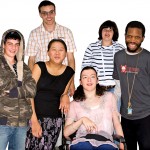
People with learning disabilities need to be able to talk about sexuality, sex and relationships, but often this opportunity is denied or is heavily influenced by existing social and cultural norms.
In this, her debut blog, Michelle Gregory looks at a paper which reports on how one self advocacy group tackled this issue and how they disseminated their findings.
[read the full story...]
Lisa Burscheidt reports on a mixed methods study that produced user-generated quality standards for youth mental health in primary care.
[read the full story...]
Local authorities have the responsibility for the organisation of adult safeguarding in England.
Here Ruth Northway looks at a literature review of the organisation of adult safeguarding services which set out to look at the characteristics of safeguarding practice.
[read the full story...]