
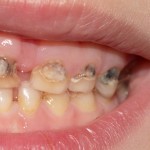
This review included 5 case-controlled studies only 2 of which were at low risk of bias and suggested that HIV-infected children have a higher risk of cavitated caries in their primary teeth, OR = 2.98, 95% CI; 1.59-5.59.
[read the full story...]
This review included 5 case-controlled studies only 2 of which were at low risk of bias and suggested that HIV-infected children have a higher risk of cavitated caries in their primary teeth, OR = 2.98, 95% CI; 1.59-5.59.
[read the full story...]
In this blog, Lesley Dawson considers a systematic review examining musculoskeletal Intermediate Care pathways to evaluate their effectiveness, outcomes and identify gaps in evidence.
[read the full story...]
Individual Service Funds offer the opportunity for flexible, person centred responses by providers. But in order to achieve this flexibility, commissioners need to break down larger block contracts to make funds available.
Here, Nick Burton looks at an evaluation of such a disaggregation of funds that took place in the London Borough of Southwark.
[read the full story...]
Raluca Lucacel writes her debut blog about an age-period-cohort analysis, which investigates how attitudes towards people with mental illness worsen during the course of life.
[read the full story...]
Self injurious behaviour in people with learning disabilities, as well as causing physical harm, can have a major impact on quality of life. It is not entirely clear why people engage in self injurious behaviours, but one theory suggests that it may be connected with an opiate euphoria. If this is so, it might be that medications that blocked these opiates might impact on levels of SIB.
Here, Rachel Allen looks at a systematic review that set out to address that question.
[read the full story...]
Hannah Morgan examines a secondary analysis of the UK Life Opportunities Survey which explores disabled people’s experiences of violent and hate crime.
[read the full story...]
This Cochrane review included 6 small studies at high risk of bias and found that orthodontic appliances or psychological intervention seems to be effective to help children stop sucking that does not have a feeding purpose.
[read the full story...]
Mindfulness has been offered as a way to help reduce stress in family and carers but few studies have as yet looked directly at the effects of offering mindfulness-based interventions to people with learning disabilities themselves.
In her debut blog, Leen Vereenhooghe looks at an attempt to evaluate a mindfulness group in an inpatient assessment and treatment unit through the experiences of those who took part.
[read the full story...]
Caroline Struthers critically appraises a recent RCT of diet, exercise, cognitive training and vascular risk monitoring to prevent cognitive decline and dementia in at-risk Finnish women.
[read the full story...]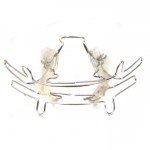
This overview brings together 14 systematic reviews of varying quality on a range of appliances for the management of class II malocclusions. There is some evidence of some benefit from some types of appliance but more studies of a higher quality are needed.
[read the full story...]