Results: 3058

For: Populations and settings

New evidence on antidepressants and suicide risk in children and young people

shutterstock_179919953

Major depressive disorder (MDD) is unfortunately a relatively common condition in children and adolescents.  Depression is estimated to affect 2% of pre-pubertal children and 5-8% of adolescents (Son et al, 2000). As you might expect, depression has a significant negative impact on the development, functioning and risk for suicide in individuals affected, as well as [read the full story…]


New guidance on restrictive physical interventions published by Dept of Health

shutterstock_14565259-man-holding-hand-up-stop-150x150

The use of restrictive interventions should always be as a ‘last resort’ and always in the context of a clear and agreed individualised plan of support. However, the events at Winterbourne View suggested that not only was this not always the case, but that in fact these approaches were sometimes being used to humiliate or [read the full story…]

Learning disability census finds high use of medication, incidents and restraint in specialist services

Out of sight(725x300)

Last week, the Health and Social Care Information Centre published the findings from the 2013 learning disabilities census. The census was commissioned as one of the 63 initiatives in ‘Transforming Care: A national response to Winterbourne View Hospital’ in response to the abuse at Winterbourne View Hospital. The aim was to provide an audit of [read the full story…]

Could measuring cortisol levels become a biological test for risk of depression in adolescent males?

shutterstock_156460130

Is it possible to work out which of two adolescents sitting before you complaining of unhappiness, which one will go home and sleep it off and which will go on to develop an episode of major depression? Has the biological revolution in psychiatry finally come to fruition with a useful biomarker for making treatment decisions? [read the full story…]

Small trial suggests limited short-term benefit from 0.1% pilocarpine mouthwash for xerostomia

shutterstock_44704711

Xerostomia is a subjective sensation of dry mouth, this is a common symptom particularly in older adults and has a variety of causes. Pilocarpine is a cholinergic agonist that non-selectively binds to muscarinic receptors in smooth muscles in the gastrointestinal, urinary and pulmonary systems and stimulates the production of secretions from the salivary and sweat [read the full story…]

Trial found similar outcomes with total and partial caries removal in primary molars

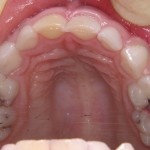
caries upper arch

The aim of this study was to compare 24-month pulp health outcomes of partial caries removal (PCR) and total caries removal (TCR) with composite restoration in primary molars. Children (3–8 years), in good general health and amenable to treatment, with at least one molar with acute, deep carious lesion into dentine were included. The teeth [read the full story…]

Interventions by non-specialists can improve outcomes for children with learning disabilities or lower-functioning Autism Spectrum Disorders in low income countries

children_shutterstock_632292641-150x150

The level of intellectual functioning for individuals with autism spectrum disorders is extremely variable, but estimates suggest that up to half of all those with an autism spectrum disorder also have an intellectual disability. Whilst neurodevelopmental disorders affect children worldwide, it is thought that these might be more prevalent in lower- and middle-income countries compared [read the full story…]

Only phonics instruction is proven effective for treating reading disability, says systematic review

shutterstock_94921276

Reading instruction was once a topic guaranteed to ignite passionate debate among teachers, mostly between proponents of phonics instruction and supporters of whole-language approaches. Although this particular controversy has become less heated in recent years, with many endorsing a hybrid or mixed-methods approach, there remains a great deal of interest in the relative merits of [read the full story…]

Where do young people with learning disabilities seek information about sexuality?

sexed_shutterstock_20176552 (2)

Sexuality is a core aspect of human experience, but for many people with learning disabilities, there continues to be considerable confusion about sexuality and significant gaps in their knowledge Opportunities for people to participate in relationships and education about sexuality can be affected by attitudes and perceptions of family carers, support workers and professional staff. [read the full story…]

Off to a good start. Are self-help interventions effective for people with comorbid physical and mental health problems?

shutterstock_start

The ideal treatment for common mental health problems in those with chronic physical illness would have to be reliable, easy to deliver, inexpensive and accessible by a group of people whose physical impairment may affect treatment adherence. NICE guidelines (CG90 Depression; the treatment and management of depression in adults) recommend self-help interventions (SHIs) based on [read the full story…]