
Results: 633

For: Diagnosis

Antidepressants, safety warnings and suicide risk in young people

shutterstock_76440550

Andrew Shepherd reviews the recent controversial BMJ study that suggests the FDA black box warning about antidepressant use in young people, may have inadvertently caused an increase in suicidal behaviour. He finds it’s not quite that clear cut.

[read the full story...]

Imaging genomics: can we link genes to brain structure and function?

shutterstock_3867643-150x150

Linking brain scans with genetic information offers a powerful way to further our understanding of how the brain works, but to do this properly many researchers from around the world need to collaborate. Fortunately, the ENIGMA Consortium are leading the way in this emerging field of imaging genomics.

[read the full story...]

Childhood abuse and adverse life events interact synergistically to produce a high risk for psychotic experiences

shutterstock_126856253

This recent study concludes that childhood abuse creates an enduring vulnerability to psychosis that is realised in the event of exposure to further stressors and risk factors, such as separation, bereavement, or being involved in an accident or physical attack.

[read the full story...]

Preventing serious adverse outcomes in schizophrenia

shutterstock_160959176-150x150

People diagnosed with schizophrenia are 7.4 times more likely to be convicted of violent offences, 8.1 times more likely to die prematurely, and 20.7 times more likely to kill themselves.

[read the full story...]

Antidepressants work by changing emotional processing

The road to recovery can be long and people need time and space to

For people who are suffering from a severe depression, antidepressants are a very effective treatment, but how they work is still not fully understood.  The basic biochemistry of how one dose of the drug affects one part of the nervous system is known, e.g. increasing serotonin levels at the synapse by preventing it from being [read the full story…]

Electronic Apex Locators may perform better than radiography alone

shutterstock_70416955-root canal treatment

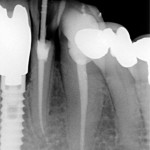
When performing root canal treatment determining the position of the apical constriction of the tooth in order to gauge the ‘working length’ of the root canal is an important step. Traditional this has been performed with radiographs although electronic apex locators (EALs) have been available for may years and are becoming increasingly popular. The aim [read the full story…]

The cost-effectiveness of liaison psychiatry: the case of RAID

shutterstock_158376752

Liaison psychiatry brings together medical and psychiatric staff in hospital wards and emergency departments, with the aim of more adequately addressing comorbidities between physical and mental health. It’s something that’s been discussed in the Woodland before, with recommendations for wider implementation. The Guardian recently published an article discussing the findings of a recent study and [read the full story…]

Bullying and cyberbullying increase the risk of suicidal ideation and suicide attempts in adolescents

shutterstock_100019534

Bullying is just not good for you.  Here on Mental Elf, we’ve already picked some great examples of studies demonstrating this.  André blogged about how bullied children are more likely to develop psychosis, and how bullies are at higher risk for teen pregnancy, and not so long ago, I told you how Wolke et al demonstrated that [read the full story…]

“Psychokiller, qu’est-ce que c’est”. The risk of violent re-offending among prisoners with psychotic experiences

shutterstock_124193854

In England and Wales, the Mental Health Act (1983, revised 2007) allows for the detention of individuals to hospital for a period of assessment (Section 2) or treatment (Section 3) if it is deemed that they suffer with a mental disorder of a nature or degree sufficient to warrant admission to hospital and it is necessary [read the full story…]

Critical illness and risk of psychiatric diagnosis

shutterstock_155305655

Out in the woodland we are pleased that recent advances in medical care mean that more patients are surviving critical illnesses within intensive care units (ICU).  “But what does that have to do with the Mental Elf?” I hear you say. Well, we Mental Elves are wondering whether this advancement in medical technology and technique are actually putting people [read the full story…]