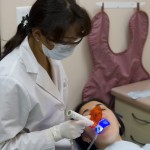

Evidence for the anti-plaque and anti-gingivitis effects of chlorhexidine

shutterstock_20760106 - mouthwash

The antiseptic agent Chlorhexidine (CHX) has been widely use to control plaque and gingivitis. The aim of this review  was to evaluate, the efficacy of a CHX mouthrinse against plaque growth, gingival inflammation and stain formation in gingivitis patients. What did they do The Medline-PubMed, Embase and the Cochrane Central Register of Controlled Trials databases [read the full story…]
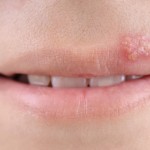

Limited evidence finds modest benefit in favour of antivirals for the prevention of cold sores

shutterstock_53580727 - cold sore

Recurrent herpes labialis (cold sores) is a common infection of the lip. The usual cause is the herpes simplex virus type 1 (HSV-1) although HSV-2 is been increasingly implicated. It is estimated that 90% of the population have been exposed to HSV-1. 20-30% of those infected experience outbreaks of  small blisters or sores on or [read the full story…]

New Cochrane Protocol for April 2012

Logo of The Cochrane Collaboration

Just one new dental protocol registered with the Cochrane Oral Health Group this month . Ban Z, Jia Y, Li C, Zhu Z, Ban Y, Shi Z. Gingival retraction for fixed prosthodontic treatment (Protocol). Cochrane Database of Systematic Reviews 2012, Issue 4. Art. No.: CD009797. DOI: 10.1002/14651858.CD009797. Crowns, bridges and other fixed dental prosthesis  are [read the full story…]

Paucity of evidence for the effectiveness of treatments for temporomandibular joint osteoarthritis

Logo of The Cochrane Collaboration

The temporomandibular joint (TMJ) as with many of the other joints, can be affected by osteoarthritis (OA).  This is characterized by progressive destruction of the internal surfaces of the joint which can result in debilitating pain and joint noises.  Osteoarthritis (OA) is the most common form of arthritis affecting the TMJ.  The aim of this [read the full story…]

New evidence on drugs to help smokers quit

shutterstock_36041908

Some readers will be aware that the Mental Elf is no loner.  I have a number of elfin cousins who also run websites that help busy professionals keep up to date with the latest research, policy and guidance in their field. One such site is The Lifestyle Elf, and she has written a blog recently [read the full story…]

Review suggests no significant difference between the caries preventive impact of GIC and resin sealant materials

shutterstock_15351199- light activated restoration

This critical appraisal of a update of a systematic review was prepared under the auspices of the American Dental Associations Centre for Evidence-based Dentistry. The aim of the review (Mickenautsch & Yengopal 2011) was to assess the caries-preventive effect of glass ionomer and resin-based fissure sealants on permanent teeth. This 2011 review was itself an [read the full story…]

Cholinesterase inhibitors are an effective treatment for patients with Parkinson’s disease with dementia

shutterstock_95211772

People with Alzheimer’s disease experience a loss of nerve cells that use a chemical called acetylcholine as a chemical messenger. Dementia symptoms become more severe as more nerve cells are lost. Cholinesterase inhibitors are a group of drugs (including donepezil, rivastigmine and galantamine) that prevent the enzyme acetylcholinesterase from breaking down acetylcholine in the brain. [read the full story…]

Life skills programmes are no better than standard care or support groups for people with chronic mental illness

shutterstock_98103155

People with chronic mental illnesses such as schizophrenia often struggle to cope with the basic tasks that life throws at them. Their health condition and the often debilitating effects of medication can make simple things like going to the shop or cleaning the house almost insurmountable hurdles. Various rehabilitation therapies are used to help people [read the full story…]

keratocystic odontogenic tumour recurrence rates

shutterstock_36617959

The keratocystic odontogenic tumour (KCOT, odontogenic keratocyst (OKC)) was first described in the literature in 1956 and is classified by the World Health Organization classified as a benign odontogenic tumour. It is generally accepted that they arise from the remnants of the dental lamina and are benign but locally aggressive and tend to reoccur.  They [read the full story…]

Text messaging may improve oral health knowledge, attitudes and practices

shutterstock_66456049

The aim of this study was to compare the effectiveness of delivery oral health messages by text messages and pamphlets to mothers of pre-school children. The study was conducted in India and restricted to mothers with mobile phones who could speak English. Mothers were randomised to received 3 text messages per day ( text message [read the full story…]