Sealants, fluoride varnish and silver diamine fluoride compared

shutterstock_69768661

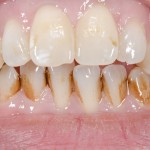
Dental caries is unfortunately still a common problem among children worldwide.  Cochrane reviews have shown the effectiveness of pit and fissure sealants (Hiiri et al  2009)  and fluoride varnishes (Marinho et al 2002) . While other reviews have found silver diamine fluoride (SDF) to be effective (Rosenblatt et al 2009).  The aim of this trial [read the full story…]
No differences in the surgical outcomes between open and closed exposure for palatally displaced maxillary canines

shutterstock_95774107

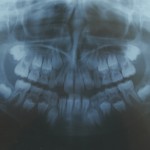
The upper permanent canine normally erupts between 11-12 years of age. However, for between 1-3% of children this does not occur and in 50% of the cases it is due to the tooth being displaced palatally. Two surgical approaches are used to allow orthodontic alignment. An open procedure  where  a palatal flap is raised ,overlying [read the full story…]

Powered toothbrushes are as safe to use as manual toothbrushes

shutterstock_77733628-powered toothbrush

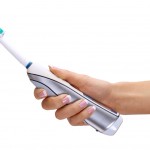
Powered toothbrushes (PTB) have been available since the 1960s and Cochrane reviews have shown that powered toothbrushes with a rotation oscillation action reduce plaque and gingivitis more than manual toothbrushing (MTB). The main focus of these review has been their effectiveness rather than the safety of these brushes.  Van der Weijden et al undertook a [read the full story…]

Can hypnosis help prevent postnatal depression?

shutterstock_29258065

The short answer is we don’t know, but trials are underway that might help answer this question. Postnatal depression often affects women in the first 3 months after giving birth and symptoms can range from low mood and loss of interest in daily activities to thoughts of suicide. There are a range of effective treatments [read the full story…]

Helping your patients give up smoking

shutterstock_71105002

Following on our story last week about nicotine replacement gum improving tooth staining my colleague  the Lifestyle Elf has highlighted the latest evidence from the Cochrane Collaboration on  interventions for tobacco cessation in dental settings. Tobacco use has signification negative effects on the oral environment and dentists have a unique opportunity to help their patients [read the full story…]

Still insufficient evidence to support or refute routine prophylactic removal of asymptomatic impacted wisdom teeth

Logo of The Cochrane Collaboration

Third molars (wisdom teeth) generally erupt between the ages of 17-24 years. Often they fail to erupt or only erupt partially. When they do not reach their normal functional position they are considered to be impacted, this can be due to lack of space, obstruction by another tooth, or development in an abnormal position.   An [read the full story…]

Nicotine replacement gum found to improve tooth staining caused by smoking

shutterstock_99430679

In addition  to being a risk factor for mouth cancer and periodontal disease, smoking is associated with staining of the teeth.  Nicotine replacement therapy (NRT) is widely used to assist patients quit smoking.  In vitro tests of NRT gum have suggested that they may have stain reduction effects.  A product which not only assists smokers [read the full story…]

Omega-3 fish oil supplements don’t help with cognitive decline or dementia in the short-term, according to new Cochrane review

shutterstock_55385059

Fish oil supplements are big business. The worldwide omega-3 market has recently been valued at around $5 billion with 40% growth predicted between 2010 and 2015. Omega-3 fatty acids are fats responsible for many important jobs in the body. We get these fats through our daily diets and the three major omega-3 fats are: Alpha [read the full story…]

Limited evidence for the use of oxalates for treating dentine hypersensitivity

shutterstock_44187316

Dentine hypersensitivity is a troublesome  condition that results in sharp sudden burst of pain in response to thermal stimuli such as hot or cold foods, but may also arise from tactile stimuli such as use of  a toothbrush. Prevalence of the condition has been reported as high as 74% in some studies. This 2011 review [read the full story…]

Secretin should not be used to treat autism spectrum disorders

shutterstock_3347646

In 1998 a very small study was published, involving just 3 children with autism, who were treated with a hormone called secretin that controls digestion. Here’s the abstract of the study by Horvath et al: We report three children with autistic spectrum disorders who underwent upper gastrointestinal endoscopy and intravenous administration of secretin to stimulate [read the full story…]