Results: 3058

For: Populations and settings

Little practical engagement of people with learning disabilities with issues of death and dying despite in principle support for right to know

Comfort

We have posted previously about end of life issues for people with learning disabilities, for example, pointing to the impact of training in palliative care as well as to resources such as the films made by Change for the dying matters coalition that can be used to help include people with learning disabilities in discussions [read the full story…]
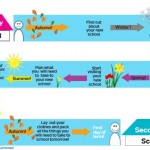

Guides published for pupils, parents and teachers to help smooth the transition from primary to secondary school

primary school

Making the move from primary to secondary school can be stressful for all involved and if you are a young person with a learning disabilities or other special educational needs these stresses can be magnified. Moving to secondary school often means lots of change at once –  new building, new routes to learn, new classmates, [read the full story…]

Are psychotic symptoms predictive of suicide attempts?

shutterstock_38595379

Over the past several years, there has been a lively academic debate about what it means to have psychotic symptoms. Although these symptoms (most commonly auditory hallucinations) can be part of the expression of a psychotic illness, on their own they are neither necessary nor sufficient for a diagnosis. In fact, researchers from many countries [read the full story…]

Adult Protection research suggests there is still much to do in response to events at Winterbourne View

shutterstock_14565259 man holding hand up stop

The events at Winterbourne View assessment and treatment service, where the BBC Panorama programme uncovered systematic abuse of people with learning disabilities, has led to a serious case review written by Margaret Flynn and Vic Citarella. The review concluded that the services provided at Winterbourne View were not based on an understanding of the needs of the [read the full story…]

Older family carers lack support, information and partnership working remains the exception rather than the norm

Donald_Story-7

Previous work to consider the issue of older parents of adults with learning disabilities has identified that a significant proportion are lone carers, often with a wide range of health problems of their own, and reporting high levels of anxiety as a result of their caregiving responsibilities. The researchers in this study set out to [read the full story…]

Some evidence to support use of facemask appliance for class III malocclusions

shutterstock_147084917

Prominent lower front teeth (reverse bite; under bite; Class III malocclusion) are more common in oriental (15%) and black races (10%) and relatively uncommon in Caucasian (4%) populations. Several orthodontic approaches have been suggested to correct this and the aim of this Cochrane review was to assess the effects of orthodontic treatment for prominent lower [read the full story…]

The cost of living? Early childhood interventions could reduce the impact of socio-economic inequalities on the mental health of children and young people

This review

In the current economic climate in many countries across the world, the impact of socio-economic inequalities on mental health has become an important topic, not only in terms of supporting people, but in terms of planning a public health response to a rising concern. Poverty and low economic status is known to affect various aspects [read the full story…]

“To fulfil its constitution, the NHS must continue to provide a comprehensive, excellent service, available to all”, says report

Underground station sign saying mind the gap

The NHS faces an increasing funding gap and a conflict between supply and demand. The constitution says that the NHS must provide a high quality service for everyone. However, the population is growing, and people are living longer, so how can the NHS continue to do more with less? Monitor believes that getting better “health [read the full story…]

Disability Hate Crime Awareness Week throws spotlight on campaign to improve understanding and support

Bullying

Results from an analysis of the British Crime Survey suggest that 9 out of ten disabled people have been the victims of disability hate crime However, there appears to be still a lack of clarity and understanding as to what constitutes a disability hate crime and under reporting of such crimes. Mencap’s Don’t Stand By [read the full story…]

Common antidepressants associated with increased risk of postpartum haemorrhage

shutterstock_18257986

Postpartum haemorrhages are serious birth complications that represent one of the leading causes of maternal mortality and morbidity. While incidences of postpartum haemorrhages have risen steadily in the past decades (in the US alone, numbers increased from 2.3% to 2.9% from 1994 to 2006), there is little evidence as to why. Antidepressants – especially selective [read the full story…]