Is treatment of class II malocclusion with class II elastics effective?

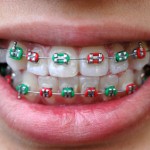
iStock_000002551343XSmall colourful braces on teeth

The class II malocclusion is a common problem that people attend for orthodontic treatment. The main aim of this review was to assess whether Class II elastics are effective in correcting Class II malocclusions PubMed, Scopus, Web of Science, Embase, Medline, and Cochrane databases, were searched. This was complemented by a hand search, with no [read the full story…]


Cochrane review finds bupropion is the best treatment to help people with schizophrenia give up smoking

Woman breaking cigarette

People with schizophrenia are 2-3 times more likely to smoke tobacco than the rest of the population, so helping them quit is a significant public health issue. The evidence for smoking cessation interventions in the general population is fairly well defined. We know quite a bit about what works and we have a range of [read the full story…]

New Cochrane Protocols February 2013

shutterstock_74352844

There are three new protocols on the February issue of the Cochrane Library The first protocol Carrasco-Labra A, Brignardello-Petersen R, Yanine N, Araya I, Rada G, Chadwick RG. Professionally-applied chemically-induced whitening of teeth in adults (Protocol). Cochrane Database of Systematic Reviews 2013, Issue 2. Art. No.: CD010379. DOI: 10.1002/14651858.CD010379.  aims to assess the effects of [read the full story…]

No randomised controlled trials to support or refute the extraction or non-extraction of teeth prior to radiotherapy of head and neck

radiotherapy

Globally about 3% of cancers are head and neck cancers.  Dental examination and completion of any necessary treatment is recommended prior to any radiotherapy required for patients with head and neck cancer. The aim of this Cochrane review was to assess whether the pre-radiation extraction of diseased or non-diseased molars compared to conservative treatment reduced [read the full story…]

New study suggests better outcomes with arginine toothpaste and mouthwash regimen for dentine hypersensitivity treatment.

shutterstock_87714310

Earlier this month (Dental Elf 18th Feb) we looked at a systematic review of the use of arginine toothpastes to reduce dentine hypersensitivity.   A new study is now available which compares arginine toothpaste, potassium nitrate toothpaste against a standard fluoride toothpaste. Adult patients with at least two hypersensitive teeth were randomised to one of three [read the full story…]

Study suggests that systemic antibiotics are not necessary for single dental implant placement

shutterstock_97814552

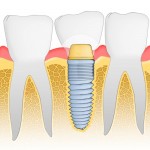
The use of systemic antibiotics during dental implant placement has been controversial, with some authors claiming higher survival rates with peri-operative antibiotic use.  The aim of this multi-centre trial was to assess the effect of various systemic antibiotic prophylaxis regimes on patient- reported outcomes and postsurgical complications in patients undergoing conventional implant placement. Following establishment [read the full story…]

Review suggests that incomplete caries removal advantageous, particularly in deep cavities

shutterstock_34500700 - caries sign

The traditional approach to treatment of dental caries has been complete removal and subsequent restoration.  During the past decade this approach has been challenged, based on a greater understanding of the disease process.  The focus being on adequate restorations rather than a complete excavation of caries, with particular benefits for the treatment of deep caries. [read the full story…]

Small trial suggests a potential benefit for combination of triamcinolone acetonide and salvianolic acid B for Oral submucous fibrosis patients

shutterstock_32414035 - Betel leaf

Oral submucous fibrosis (OSF) is characterized by chronic inflammation and progressive subepithelial connective tissue fibrosis. This can involve the oral cavity, pharynx and upper third of the oesphagus. It is more commonly found in patients in the Asian subcontinent and the Far East.  The aetiology is considered to be multi-factorial with areca nut chewing, nutritional [read the full story…]

Cerebrolysin is a promising treatment for vascular dementia, but more research is needed, according to new Cochrane review

Pig

Vascular dementia is the second most common type of dementia after Alzheimer’s disease. It’s caused by damage to the network of blood vessels supplying the brain. Some symptoms are similar to those associated with Alzheimer’s and stroke, but in particular people with vascular dementia often experience difficulty thinking quickly, concentrating and communicating, as well as [read the full story…]

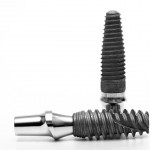
Lack of evidence to highlight differences in peri-implant bone loss between cement and screw retained prosthesis

shutterstock_70163050 dental implants

Peri-implant bone loss is one parameter used to evaluate the success of dental implants.  The aim of this review was to compare peri-implant bone loss between cement and screw retained prosthesis. The Medline, SCOPUS, ISI Web of Knowledge and Cochrane Central Register of Controlled Trials (CENTRAL) databases were searched. Five journals were hand searched. Randomised [read the full story…]