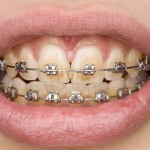
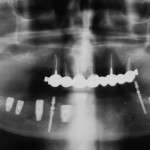
Limited evidence for surgical treatments for peri-implantitis

shutterstock_43147957

It has been reported that implantitis affects between 2-47% of implants and with the number of implants being placed rising years on year more patients are likely to be affected.  The aim of this review was to assess the effectiveness of different interventions for the treatment of peri-implantitis. Searches were conducted in Medline, PubMed, Embase [read the full story…]
Currently no evidence to support repairing or replacing resin composite fillings for adults

shutterstock_166386347

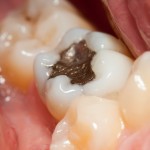
Over the past 30 years there has been an increase in the use of tooth-coloured composite resin filing materials as an alternative to amalgam for restoring posterior teeth.  Recent technical and material developments have improved the limitations of the early materials which were more likely to fail because of shrinkage, loss of form poor wear [read the full story…]

Currently no evidence to support repairing or replacing amalgam fillings for adults

shutterstock_50880346

Dental amalgam has been the dental material of choice for many decades. Although, in recent years a greater focus on aesthetics and concerns related to the potential environmental impact of mercury coupled with a more conservative approach to cavity preparation and improvements in aesthetic restorative materials is leading to a decline it its use.  In [read the full story…]

Fluoride varnish in pre-school children

shutterstock_55091905

The effectiveness of fluoride varnishes for caries prevention for children and adolescents is well established with the recent update of the Cochrane review (Marinho et al 2013) estimating the pooled preventive fraction of 43% (95% CI 30-75%) for permanent teeth  and 37% (95% CI 24-51%) for primary teeth.  However although 22 trails were included there [read the full story…]

Be Mindful of the Gap: What we know about ‘third wave’ cognitive behavioural therapies compared to other psychological therapies

shutterstock_143317846

Breathe. Hold in your mind your view of what constitutes the most effective psychological therapy for acute depression. Try not to identify with your favourite therapy but simply observe it and let it be. Wish it well. And breathe again. This was not the approach of the Cochrane Depression, Anxiety and Neurosis Group when it [read the full story…]

Cochrane review finds that haloperidol is an effective antipsychotic, but its side effects can be problematic

shutterstock_108676748

Schizophrenia is a serious disorder characterised by delusions (including paranoid beliefs and hallucinations) and other symptoms such as blunted affect and reduced motivation. While relatively uncommon (lifetime prevalence is less than 1%), it is associated with serious social impairment (e.g., unemployment, homelessness), which in turn can result in physical health problems. As a result, the [read the full story…]

Cochrane review finds no evidence to support the use of user held records for patients with severe mental illness

The reviewers can't have been too pleased with the paucity of research in this field

The use of care plans and Wellness Recovery Action Plans (WRAP®) (Cook et al, 2009) within mental health is commonplace. In Wales, care planning is covered by legislation in the form of the Mental Health Measure (Welsh Government website, 2013). The care plans are designed to be developed and agreed in a collaborative way with input [read the full story…]

New Cochrane Protocols January 2014

shutterstock_26254669

Two more protocols for reviews are now available on the Cochrane Library The first one is:- El-Angbawi A, McIntyre GT, Bearn DR, Fleming PS. Non-surgical adjunctive interventions for accelerating tooth movement in patients undergoing fixed orthodontic treatment (Protocol). Cochrane Database of Systematic Reviews 2013, Issue 12. Art. No.: CD010887. DOI: 10.1002/14651858.CD010887.  The aim is to [read the full story…]

Moderate evidence that fluoride varnish applied regularly during orthodontic visits reduces enamel demineralisation

shutterstock_101866108

The development of early, but reversible, carious lesions or demineralised white lesions (DWLs) is one adverse effect of fixed appliance orthodontic treatment. The prevalence has been reported to be as high 70%, and although the majority are minor and fade with time as they resolve about 10% cavity and may require filings.   The main aim [read the full story…]

No evidence to support or refute the practice of six-monthly dental check-ups

shutterstock_82012684

Having your teeth regularly examined by a dentist seems to have been recommended back as far the 18th Century (Richards 2002) and subsequently the six-monthly visit became de rigueur.  The scientific basic for this interval was challenged by Sheiham in 1977  and there has subsequently been much debate about the clinical and cost-effectiveness of recall [read the full story…]