
Results: 3058

For: Populations and settings

Comparison of juvenile offenders with and without learning disabilities shows differences in offence type

Place_Law_Court

Previous studies have suggested that people with mild learning disability show a higher rate of offending when compared with peers without learning disability and that this rate is especially high in those aged under 18. High rates of learning disability have also been found in studies of young offenders in custody. In the U.S., one [read the full story…]


People with disability are more likely to be victims of violence and to suffer mental illness as a result

Fight

In the UK over 10 million people live with a disability, many of whom suffer from violence (Department for Working Pensions, 2011). A recent World Report on Disability by WHO (2011) highlighted that people living with disabilities are at  risk from sexual and physical violence. Despite this, little is known about who is at risk [read the full story…]

What helps and hinders effective commissioning? Experiences from primary care

Improvement

Introduction In England, from April 2013, there will be significant changes to the NHS, particularly with the introduction of 211 clinical commissioning groups (CCGs). These GP-led organisations will take on the responsibility of funding, planning, and obtaining health services for their local areas. It is essential that best practice is applied so that efficient decisions [read the full story…]

Physical activity a promising treatment for depression in children and young people, but more research is needed

Teenagers playing basketball

Depression is one of the most common mental health problems, with around 1 in 5 people in the UK suffering from depression during their lifetime (Royal College of Psychiatrists, 2012) including an estimated 4% of children (NHS Choices, 2012).  Treatments for depression are different in children and young people, for example some antidepressant medications used [read the full story…]

Traditional gender stereotypes found in staff attitudes towards sexuality in people with learning disabilities

Couple_hug2

Whilst there has been significant progress in recent years in acknowledging the rights of people with learning disabilities to live their lives in the way they choose, responding to the right to be sexually active continues to throw up challenges for services and families. Part of the difficulty is that people with learning disabilities may [read the full story…]

Healthcare commissioning for people with long-term conditions: new report from the Nuffield Trust

Man looking at piles of coins

What do healthcare commissioners actually do? Ask a hundred people who work in the NHS and you’ll probably get a hundred different answers. The landscape is moving quickly as we approach the April changeover, and with management budgets getting cut, it’s an increasingly challenging area to work in. This new report from the Nuffield Trust [read the full story…]

What happens when people with learning disabilities need advice about the law?

Question-3

Here at Elf Towers, we strive to bring you the best evidence from published studies, but from time to time, we have the opportunity to talk to you about research that is just getting underway. One such research project is being run by our friends at the Norah Fry Research Centre who are about to [read the full story…]

Treating severe dental caries improved children’s appetite and dental outcomes

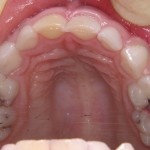
caries upper arch

Worldwide dental caries remains one of the most prevalent chronic diseases of childhood. Sadly, in many countries a significant proportion of this decay remains untreated leading to pain, sepsis and occasionally more severe complications.  Studies have shown associations between caries and poor growth, low weight gain, missed school and poorer performance.   The aim of this [read the full story…]

People with learning disabilities still not getting adequate information and support to make decisions about medications

Health information

Making the decision to consent to medical treatment requires access to information, presented in clear and understandable ways. There is evidence that that people with learning disabilities do not always understand information about medications they are prescribed, for example from the medication matters project carried out at the Norah Fry centre  which produced a series of [read the full story…]

Fighting mental illness stigma in the classroom

Classroom chairs stacked on tables

Stigma can be described as a sign of disgrace setting a person apart from others. Erving Goffman, defined stigma as “the process by which the actions of others spoils normal identity.” For those with mental illness the stigma experienced can result in a lack of funding for services, difficulty gaining employment, a mortgage or holiday [read the full story…]