Depression often occurs in later life and people in poor physical condition tend to be more susceptible than others. Older people in hospital who get depressed have poorer outcomes, so it’s important that we know how to detect depression and manage it in the acute setting. This systematic review conducted by researchers in Swansea set [read the full story…]
The researchers in this study were interested in the impact of training in supporting children with learning disabilities described as having challenging g behaviour. This training may be delivered to families and to teachers, but rarely at the same time. The authors were interested in the impact on outcomes if training were delivered to both [read the full story…]
Healthcare providers are always on the look out for ways to improve the detection and diagnosis of depression in primary care. It’s a prevalent illness amongst Europeans with 6.9% of people suffering from it in any 12-month period. We know that 50-70% of depressed patients consult their GP during an episode, so improving systems for [read the full story…]
We know that exercise helps people who are going through mental health difficulties, but how can we encourage people to become more active? Exercise referral schemes aim to identify inactive adults in the primary care setting. The GP or healthcare professional then refers the patient to a third-party service, with this service taking responsibility for [read the full story…]
There has been a developing literature about the health inequalities experienced by people with learning disabilities, leading to a number of policy responses. This literature review focused specifically on inequalities experienced by children and young people up to the age of 18, looking to synthesize evidence on the prevalence and determinants of health conditions and [read the full story…]
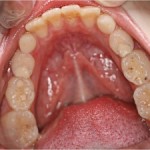
There is a growing literature supporting caries management options where caries is sealed in beneath restorations or sealants. The aim of this trial to compare long-term (at 5 yrs) outcomes for carious primary molars managed by GDPs’ standard conventional restorative methods (control) with the Hall Technique in general dental practice. The outcomes at 2 years [read the full story…]
The most recent MeReC Bulletin (December 2011) considers the problem of the implementation gap: the best evidence often does not get adopted quickly into practice. It highlights relevant evidence and ideas from educational theory, decision-making theory, information management and implementation science and brings them together in one place. It is intended to encourage a fresh [read the full story…]
Policy on the role of specialist doctors in the NHS reforms is not fit for purpose, according to a discussion paper published today by the NHS Alliance. Specialists in Commissioning: Looking beyond current policy discusses the views of GPs and specialists on current policy on specialists in Clinical Commissioning Groups. The paper calls for policy [read the full story…]
There are specific difficulties in developing an evidence base for practice in supporting people with learning disabilities. There is general agreement that some degree of sprcialist services are required, but little agreement about the nature of these services or the best method of their delivery. It may be possible to transfer ideas directly from mental [read the full story…]
The Audit Commission have published the second in a series of briefings looking at adult social care. At a time when the whole of the public sector must find significant savings, the report says that integrated working across health and social care offers opportunities for efficiencies and improvements to services. Without it, there is a [read the full story…]