
The Mental Elf

Antidepressants: benefits and harms in children and adults

This important paper (Sharma et al, 2016) has rightly made the headlines. Dedicated work by a team of committed researchers overcame resistance from the European Medicines Agency and pharmaceutical companies. There are numerous concerns about the safety of antidepressants particularly in children and young people.

Methods

The authors had to fight hard to get what are called clinical study reports on drug trials of SSRI (specifically fluoxetine, paroxetine and sertraline) and SNRI antidepressant drugs (specifically duloxetine and venlafaxine in both normal release and extended release versions) lodged with the European Medicines Agency and the UK’s Medicines and Healthcare products Regulatory Agency. These clinical study reports summarised adverse events in the trials, either as lists of events or brief patient narratives. They were unable to get clinical study reports for all drugs or the more detailed case report forms for any of the drugs. Information was also obtained from Eli Lilly websites on trials of fluoxetine and duloxetine. Double blind randomised controlled trial information was included in the analysis.

Two people independently reviewed this information and resolved any disputes through consensus discussions. The primary outcomes were mortality and suicidality (suicide, self-harm acts or preparation or suicidal ideation). Secondary outcomes were aggressive behaviour and akathisia. Apart from suicide, summary outcomes such as suicidality or aggression inevitably involve grouping together quite disparate events.

Results were combined in several ways in the data tables; for each antidepressant, antidepressants combined and placebo. There was also data on whether adverse events occurred pre-randomisation (before being allocated the trial drug or placebo) or post-randomisation (when patients were on the trial drug or placebo).

Statistical analysis was performed with combined drugs v placebo then further split into adults and a separate analysis for children/adolescents combined.

“Many of the treatments included in this analysis are currently neither routinely used nor recommended in young people.”
– Dr Michael Bloomfield, Clinical Lecturer in Psychiatry, MRC Clinical Sciences Centre and UCL
Paroxetine (Seroxat/Paxil) is not recommended for use in children or young people. 
Paroxetine (Seroxat/Paxil) is not recommended for use in children or young people.

Results

For me there are two important findings. The first was the significant under-reporting of adverse events. This was because they were often classified generously as not being due to the drug and so were omitted from final reports and analysis. As an example, 32 of 63 suicidal ideation events were coded as “emotional liability” or “worsening of depression”, but the narrative accounts made clear that these events were actually suicidal ideation. This highlights the continuing problem of getting accurate safety data out of trials run by pharmaceutical companies. We need to have stronger independent oversight of this safety data and a more open policy by pharmaceutical companies to sharing data. Of course it can be argued there are issues of interpretation, but it’s better to be open and discuss these issues in daylight.

The second important finding was that although antidepressants are relatively safe in adults, the risks are higher in children and young people, particularly for paroxetine.

I will further discuss these risks in terms of absolute percentage increase in antidepressants v placebo (% chance of adverse event in antidepressants – % chance of adverse event in placebo). This is then converted into Numbers Needed to Harm (NNH) by the simple formula 1/(absolute % increase risk of adverse events in antidepressant). I entered the figures for adverse events post-randomisation for the overall comparison. The overall comparison has combined all the antidepressants together. I repeated the analysis for children and young people but separated it into different drugs; this was because there seemed differential effects between antidepressants and also because smaller number of trials meant it was easier for me to do. The results have a greater degree of confidence for the combined (adult and child) results than for the child and adolescent results on their own, due to the larger numbers of people in the combined analysis.

All figures are rounded. As you may know, Excel doesn’t make mistakes, so any errors in calculation are down to me! Please let me know in the comments below if you spot anything that needs correcting. As a dutiful elf, I love to crowd-source my peer review!

Download the spreadsheet
Download the spreadsheet if you want to check out Samei’s numbers.

Combined results for all trials

Suicide

  • No difference between the two groups with a minuscule advantage for antidepressants (0.01%)
  • Number Needed to Benefit (not Harm) of about 9,115. (This means that we would have to give 9,115 depressed people antidepressants to prevent 1 suicide, compared to placebo).

Suicidality

  • Including suicides, acts, preparations and threats of self-harm and suicidal ideation with a 0.07% increase in suicidality events in people on antidepressants compared to placebo
  • Number Needed to Harm of 1,432 (i.e. would have to give 1,432 depressed people antidepressants to have a suicidality event). (From now on I’ll use shorthand, so this would be NNH=1,432).

Aggressive acts

  • Showed an absolute percentage increase in antidepressants of 0.18% and a Number NNH=535.

Akathisia

  • (Such as inner restlessness) gave an absolute percentage increase of 0.11% and a Number NNH=880.

Results for children and young people

Now let us look at the results for children and young people with the same type of outcomes as before, but also broken down by drug.

Suicide

  • No suicides as far as I can tell in children and young people

Suicidality

  • Fluoxetine had an absolute percentage increase of 1.5% with NNH=63
  • Paroxetine had the largest absolute percentage increase of 2.6% and NNH=38
  • Sertraline’s absolute percentage increase was the lowest at 0.7% with NNH=142.

Aggressive acts

  • Fluoxetine had a tiny reduction in aggression with absolute percentage reduction of 0.5% and NNB (Number Needed to Benefit)=190
  • Paroxetine again had the highest absolute percentage increase of 3.6% with NNH=28
  • Sertraline had an absolute percentage increase of 1.4% with NNH=71.

Akathisia

  • Fluoxetine had the highest akathisia problems with an absolute percentage increase of 1.67% and NNH=60
  • No figures for paroxetine
  • Sertraline reduced the chances of akathisia slightly, with an absolute percentage reduction of 1.1% and a NNB=91.

Summary

So the results indicate a low risk of these types of outcomes in adults.

In children and young people:

  • The risks were particularly high for paroxetine for suicidality and aggression
  • Fluoxetine and to a lesser extent sertraline were also associated with increased suicidality
  • Fluoxetine wasn’t associated with aggression
  • Sertraline wasn’t associated with akathisia
  • Paroxetine has a short half-life, which could explain why it’s strongly associated with these adverse effects, as well as with withdrawal syndromes in all age groups.
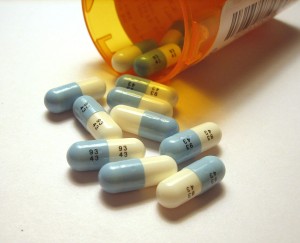
Fluoxetine and to a lesser extent sertraline were associated with increased suicidality.
Fluoxetine and to a lesser extent sertraline were associated with increased suicidality (which includes acts of harm and suicidal thinking).

Strengths and limitations

  • There were diligent and persistent efforts by researchers to get as much data as possible
  • The study used two independent researchers to classify adverse events, with consensus meetings to resolve any issues
  • This is a minor point, but they used a “fixed effects” model rather than a “random effects” model. Given the variability of different drugs causing different side effects, a random effects model may have been better, although this is unlikely to significantly alter the results
  • There seems quite a bit of heterogeneity across studies, particularly in children and young people across the different drugs.

A random effects model may have been better than the fixed effects model used by the authors.

Discussion

In this blog I have looked at some of the risks associated with antidepressants but not all, for example: nausea, headaches, sedation, sexual dysfunction, withdrawal syndrome (these were not reported in this review but have been studied in detail elsewhere). In medicine it’s a case of weighing up the advantages of a specific medication against the risk of harm. Ideally we want a high chance of benefits, set against a low risk of harm. We also need to consider what is the likelihood and nature of harm, if we don’t treat someone, as well as the benefit/harm comparisons for alternative treatments (in the case of depression, psychotherapy for example).

A good source of information on the effectiveness of antidepressants is the British Association of Psychopharmacology (BAP) guidelines on the subject, recently revised (Cleare et al 2015). They measure benefit using the NNT (Number Needed to Treat, similar to NNB above), which relies on defining outcomes in a “categorical” way; either improved or not. The outcome used by the BAP for improvement is a 50% reduction in HDRS/MADRS scores (that’s a rating scale for the severity of depression) or marked improvement or better on Clinical Global Impression scale (a clinical judgement by the rater). Of course this is a bit blunt (someone with 49% reduction in rating scale score would count as a failure but 51% as a treatment success) but a line has to be drawn somewhere to define success and failure.

The BAP Guidelines suggest in adults NNT for improvement is 7 for antidepressants compared to placebo (e.g. (47% response rates in antidepressants vs. 32% for placebo).

For children and adolescents, a recent Cochrane meta-analysis (Hendrick et al (2012)) suggests a lower effectiveness of antidepressants in children and adolescents (45% response rate in antidepressants v 38% in placebo) with NNT=14 (i.e. double the figure in adults). Even an NNT of 14 isn’t bad for a medication, but clearly it needs to be compared with the risks of treatment.

Another way of measuring response is to look at the overall reduction of depressive symptoms using a combined effect size in a meta-analysis. Effect size of 0.2 is said to be “small”, 0.5 is “medium” and 0.8 is “large”. Including data from “missing” trial data, the BAP guidelines indicate an effect size of 0.31 advantage for antidepressants compared to 0.4 if only published trial data is used (both are still small effect sizes). Effect size is similar for children and adolescents, but seems more effective in adolescents (and some combined studies show no significant advantage in children).

It’s important when looking at effect sizes to remember they are an AVERAGE over many people. So a small effect size doesn’t usually mean a uniform small effect for everyone taking a medication. The small effect size may mean some people get a large advantage, another proportion have a small advantage and the rest have no effect or even get slightly worse. So antidepressants might make a big difference for a proportion of people, but this effect is “averaged out” to a small effect by the rest of the people on antidepressants having little benefit. When people complain of negligible clinical benefits for antidepressants, they seem to have forgotten that they are referring to averaged effects and that some people may have a large benefit. Some people prefer the NNT for all its flaws, just because these averages are sometimes a bit tricky to interpret.

The risks of suicidal thinking and acts of harm and aggression should be discussed with young people so that they and their parents can make an informed decision, but the findings should be viewed with extreme caution.
– Dr Paul Ramchandani, Consultant Child and Adolescent Psychiatrist with CNWL Foundation NHS Trust and Reader in Child and Adolescent Psychiatry, Imperial College London

Does this new paper add anything to our knowledge?

Summary

Looking at the overall picture, antidepressants have a definite but small advantage, on average, on symptoms (and this average effect may mean some people have a large benefit, but others a much smaller benefit) and a reasonably good impact to help people’s chances of improving. This benefit is more marked in adults than children or adolescents. Adolescents may respond better than children.

The risks of dangerous adverse effects are very low in adults but are much higher in children and adolescents. Balancing the chances of benefit versus the risks of harm gives us different conclusions in children, adolescents and adults.

  • This suggests that antidepressant treatment represents a reasonable choice in adult depression
  • In children (people under 12 years old) antidepressants should only be used with great caution and only after treatments such as psychotherapy have been tried
  • For adolescents (people under 18 years old), antidepressants can be tried as second line treatment after an alternative evidence-based treatment such as psychotherapy (usually CBT) has been tried
  • Paroxetine should not be prescribed to people under 18 years old
  • In children and adolescents, prescribing of antidepressants should only be initiated by secondary care (i.e. psychiatrists). Clear warnings must be given about dangerous adverse effects and close monitoring for these adverse effects must be undertaken by mental health services.

Paroxetine has been contra-indicated in children and young since mid-2003. In practice, this means that it should not to be used without very good reason by a specialist. NICE recommends fluoxetine in depression only after specific psychotherapy has been tried. For children, NICE notes little evidence of antidepressant effectiveness. For adolescents, NICE states sertraline or citalopram can be used if fluoxetine has not been successful.

Unfortunately, this advice particularly about children and adolescents depends on the local health environment. Child and adolescent mental health services and voluntary services may be overstretched, meaning patients and GPs may have limited access to treatments with fewer adverse effects. Health systems in other countries may also limit access to these other treatments or favour people seeing psychiatrists initially.

Finally, it is vital there is improved reporting of adverse outcomes in drug trials by researchers and this may require independent oversight and scrutiny. Data on these trials should be easily available for scrutiny. This also applies to other branches of medicine, not just psychiatry.

A lack of funding may mean that children and young people have limited access to treatments with fewer adverse effects.

If you need help

If you need help and support now and you live in the UK or the Republic of Ireland, please call the Samaritans on 116 123.

If you live elsewhere, we recommend finding a local Crisis Centre on the IASP website.

We also highly recommend that you visit the Connecting with People: Staying Safe resource.

Links

Primary paper

Sharma T, Guski LS, Freund N, Gøtzsche PC. (2016) Suicidality and aggression during antidepressant treatment: systematic review and meta-analyses based on clinical study reports. BMJ 2016;352:i65

Other references

Cleare et al (2015) Evidence-based guidelines for treating depressive disorders with antidepressants: A revision of the 2008 British Association for Psychopharmacology guidelines. Journal of Psychopharmacology 2015, Vol. 29(5) 459–525 DOI: 10.1177/0269881115581093

Hetrick SE, McKenzie JE, Cox GR, Simmons MB, Merry SN. Newer generation antidepressants for depressive disorders in children and adolescents. Cochrane Database of Systematic Reviews 2012, Issue 11. Art. No.: CD004851. DOI: 10.1002/14651858.CD004851.pub3.

Moncrieff J. (2016) Misrepresenting harms in antidepressant trials (Editorial). BMJ 2016;352:i217 doi: 10.1136/bmj.i217

Photo credits

Add a comment
  • In adults with major depression, antidepressants may increase the risk of suicide

    In adults with major depression, antidepressants may increase the risk of suicide

    6 years ago
    […] (Näslund et al, 2017; see also: Dutta & McLaughlin, 2018) in adults, and in children (NNT=14 (Huda, 2016), Hetrick […]
  • Off-label antidepressants: limited evidence to support their use

    Off-label antidepressants: limited evidence to support their use

    8 years ago
    […] There continues to be considerable debate about the value of antidepressants in the treatment of depression. Previous Mental Elf blogs have explored the use of antidepressants and a there’s a particularly good post by Samei Huda here on the benefits and harms of antidepressants. […]
  • Post Of The Week – Saturday 20th February, 2016 | DHSB/DHSG Psychology Research Digest

    Post Of The Week – Saturday 20th February, 2016 | DHSB/DHSG Psychology Research Digest

    10 years ago
    […] http://www.nationalelfservice.net/treatment/antidepressants/antidepressants-benefits-and-harms-in-ch… […]
  • You Mind You

    You Mind You

    10 years ago
    You Mind You liked this on Facebook.
  • 121Therapy

    121Therapy

    10 years ago
    RT @Mental_Elf: @SameiHuda @PsychiatrySHO @AlysColeKing @DrS_Reynolds @paulramchandani Here's link for all https://t.co/q6ZvjVO9tX Do post …
  • Kelsblells

    Kelsblells

    10 years ago
    RT @SameiHuda: @AllenFrancesMD my latest Mental Elf blog on recent BMJ paper on risks of antidepressants & how they vary by age https://t.c…
  • SameiHuda

    SameiHuda

    10 years ago
    RT @Mental_Elf: @SameiHuda @PsychiatrySHO @AlysColeKing @DrS_Reynolds @paulramchandani Here's link for all https://t.co/q6ZvjVO9tX Do post …
  • Mental_Elf

    Mental_Elf

    10 years ago
    @SameiHuda @PsychiatrySHO @AlysColeKing @DrS_Reynolds @paulramchandani Here's link for all https://t.co/q6ZvjVO9tX Do post a comment
  • SameiHuda

    SameiHuda

    10 years ago
    RT @Mental_Elf: Indeed @PsychiatrySHO Our blog on this study by @SameiHuda https://t.co/q6ZvjVO9tX @SMC_London coverage https://t.co/6ApR1Q…
  • Firefly_fan

    Firefly_fan

    10 years ago
    RT @Mental_Elf: Indeed @PsychiatrySHO Our blog on this study by @SameiHuda https://t.co/q6ZvjVO9tX @SMC_London coverage https://t.co/6ApR1Q…
  • Mental_Elf

    Mental_Elf

    10 years ago
    Indeed @PsychiatrySHO Our blog on this study by @SameiHuda https://t.co/q6ZvjVO9tX @SMC_London coverage https://t.co/6ApR1QLDPr
  • SameiHuda

    SameiHuda

    10 years ago
    @larkinf have u seen blog I did for mental elf on the paper plus comments from lead author ? https://t.co/aYQsDhz1An
  • judeeeCeee

    judeeeCeee

    10 years ago
    RT @Mental_Elf: Join the debate! Antidepressants Children & adolescents Aggression or Harm What's the link? https://t.co/q6ZvjW5KSx https:/…
  • srmg13

    srmg13

    10 years ago
    RT @PaedMHAssoc: Antidepressants: benefits and harms in children and adults - https://t.co/2TAhMPVv8F. Excellent from @sameihuda.
  • SameiHuda

    SameiHuda

    10 years ago
    RT @PaedMHAssoc: Antidepressants: benefits and harms in children and adults - https://t.co/2TAhMPVv8F. Excellent from @sameihuda.
  • PaedMHAssoc

    PaedMHAssoc

    10 years ago
    Antidepressants: benefits and harms in children and adults - https://t.co/2TAhMPVv8F. Excellent from @sameihuda.
  • LucyMorley1

    LucyMorley1

    10 years ago
    Antidepressants: benefits and harms in children and adults https://t.co/58FPCJhnQY via sharethis
  • DenishaMak

    DenishaMak

    10 years ago
    Antidepressants: benefits and harms in children and adults https://t.co/tPXlIQzeTz via @sharethis
  • steve_furber

    steve_furber

    10 years ago
    RT @SameiHuda: @AllenFrancesMD my latest Mental Elf blog on recent BMJ paper on risks of antidepressants & how they vary by age https://t.c…
  • Tarang Sharma

    Tarang Sharma

    10 years ago
    Firstly thanks so much to The Mental Elf and Samei Huda for covering our research. We are very happy that this is encouraging debate and bringing forth different opinions on the subject. Firstly I want to clarify my background and that I really don't have any vested interests. I'm a methodologist and so very much interested in the comments and feedback I have received so far from both patients and professionals.
    • 1 reply
    • Tarang Sharma
      Tarang Sharma 10 years ago
      Wow - limited space in comments so will keep this brief. I have done HTAs for NICE from Uni of Sheffield and national clinical guidelines for NICE when I was employed there directly. Now it has been a decade working across different clinical areas which includes working for Novo Nordisk, a Danish pharmaceutical company, on evidenced based decision making. I think the NICE guidance is really good but those restrictions don't apply in Denmark and other countries so important to highlight these issues. NICE conceded that only fluoxetine had greater benefit than harm for this age group, for other drugs it was the other way round. Data from our study was separated by drug and crude individual risk rates were presented for the different drugs in the above article. This is misleading, as you are comparing oranges and apples. We had only 3 trials for fluoxetine for example and as they were older trials, their quality was very poor. While we had more trials for the other drugs and for the newer drugs very good quality data, with individual patient data. It simply could be that we detected more harms in these newer drug trials because they had more detailed information. For example the fluoxetine trials had a solicited adverse events checklist that the clinical investigator asked the patient at every visit. Only if a patient mentioned something over and beyond that checklist it was also noted in a non-solicited adverse events table. All the serious harms we noted were from this additional table but not all centres or clinical investigators developed this additional list. We also did not have any individual patient data for these fluoxetine trials and from our study we found where we had this additional information, many harms were buried in there. Additionally, using crude risk rates is statistically poorer than looking a meta-analysis result as that takes into account the different trial sizes and weights their values accordingly. This is especially important for rare events data where only certain methods of even meta-analyses are accurate (such as the one we used - Peto's odds ratio). This is because that method is able to adjust for null events and the low rate of events. This is also applicable to the comment made on twitter regarding individual suicide rates. It is unfortunate that some media outlets shortened suicidality risk to suicide risk, probably so it is more accessible to the general public. That said these were short trials for the most part and increase in suicidality risk after say 6-8 weeks on treatment should be enough of a concern as in clinical practice people are on these drugs for longer periods and an increased suicidal behaviour risk at 6 or 8 weeks is very highly correlated with an increased suicide risk in longer periods. But mathematically once again splitting the meta-analysis result to give individual crude risk rates when we are talking about only 2 versus 2 suicide events is not ideal and we should be very cautious of any interpretations. As Gunnell et al from MHRA noted in his work on this topic back in 2004, you can only conclude that there risk ranges from either a possible protection to a 3 fold increase - i.e we do not know the true answer. Any conclusions about this from our study should be the same - possible protection to possible harm.
      • Samei Huda
        Samei Huda 10 years ago
        Hi thanks for comment The risk of completed suicide from "suicidality" is very low. The risk of increased "suicidality" seems to happen in my experience in the early period after drug started or dose increased covered by the studies rather in long term treatment. Also withdrawal may increase risk of suicidality So all in all given low absolute increased risks of "suicidality" in antideps in adults and lower actual OBSERVED rate of suicide in antideps v placebo it is highly unlikely that the antideps will increase suicide in adults. A hypothesised risk from a tiny absolute increased risk of "suicidality" during period of max observed risk (excluding worhdrawal) leading to a small risk of competed suicide does not outweigh OBSERVED lower rate of suicide
  • AlexKing3rd

    AlexKing3rd

    10 years ago
    RT @DawnFriedmanLPC: Super important information for anyone considering antidepressant medication for their child or teenager. "In... https…
  • SameiHuda

    SameiHuda

    10 years ago
    @SimonSRN @Mental_Elf thanks ??
  • SameiHuda

    SameiHuda

    10 years ago
    RT @SimonSRN: @SameiHuda on the risks of antidepressants for @Mental_Elf https://t.co/1UTp1uZe83
  • SimonSRN

    SimonSRN

    10 years ago
    @SameiHuda on the risks of antidepressants for @Mental_Elf https://t.co/1UTp1uZe83
  • DawnFriedmanLPC

    DawnFriedmanLPC

    10 years ago
    Super important information for anyone considering antidepressant medication for their child or teenager. "In... https://t.co/6GF1jcWOUz
  • Mental_Elf

    Mental_Elf

    10 years ago
    RT @vaughanbell: Excellent @SameiHuda analysis of the recent antidepressant and suicidality study https://t.co/MI4GAfSXAo Crystal clear acc…
  • SameiHuda

    SameiHuda

    10 years ago
    @BAPsych my Mental Elf blog on recent BMJ paper on risks of antidepressants and benefits from BAP guidelines https://t.co/04jbTDCLYn
  • SameiHuda

    SameiHuda

    10 years ago
    @WesselyS my blog on latest BMJ paper on risks of antidepressants & weighing them up with benefits https://t.co/04jbTDCLYn
  • TShealthpolicy

    TShealthpolicy

    10 years ago
    @Mental_Elf @SameiHuda Ok will post comment - so it remains linked to your piece.
  • Mental_Elf

    Mental_Elf

    10 years ago
    @SameiHuda @TShealthpolicy In this case blog comments would be best please Tarang https://t.co/q6ZvjW5KSx
  • Rasha Hosni Ali

    Rasha Hosni Ali

    10 years ago
    Rasha Hosni Ali liked this on Facebook.
  • Mischa Mockett

    Mischa Mockett

    10 years ago
    Antidepressants have their place. They should only be prescribed via a specialist. Fluoxetine is the preferred and licensed choice. Talking therapies are available and should be tried. Future in Mind will further help this to be developed. Unfortunately some young people really struggle with talking therapies especially those with co morbidities such as ASD and significant Conduct Disorders. This is where anti depressants can be invaluable.
  • saevargustavss

    saevargustavss

    10 years ago
    RT @SameiHuda: @AllenFrancesMD my latest Mental Elf blog on recent BMJ paper on risks of antidepressants & how they vary by age https://t.c…
  • AnnieRONeill

    AnnieRONeill

    10 years ago
    Interesting article antidepressants in YP should not be the first treatment choice https://t.co/3nKdv4TQ4l
  • RichardBentall

    RichardBentall

    10 years ago
    RT @SameiHuda: @AllenFrancesMD my latest Mental Elf blog on recent BMJ paper on risks of antidepressants & how they vary by age https://t.c…
  • open_debate

    open_debate

    10 years ago
    RT @SameiHuda: Misleading comment. Suicide rate lower in antidepressants but higher risk of DSH in C/YP https://t.co/aYQsDhz1An https://t.c…
  • nikki_ledingham

    nikki_ledingham

    10 years ago
    Antidepressants: benefits and harms in children and adults https://t.co/gj7Vd5A1MR
  • Denise O' Shea

    Denise O' Shea

    10 years ago
    Denise O' Shea liked this on Facebook.
  • Lauren Pitts

    Lauren Pitts

    10 years ago
    Lauren Pitts liked this on Facebook.
  • Col Flower

    Col Flower

    10 years ago
    Col Flower liked this on Facebook.
  • tadhg50

    tadhg50

    10 years ago
    RT @SameiHuda: @tadhg50 I wrote this blog about 10 days ago it's out today https://t.co/04jbTDCLYn on antidepressant risks and benefits
  • JohnathanLaird

    JohnathanLaird

    10 years ago
    RT @Mental_Elf: Antidepressants for depressed children: we consider the risks of suicidal thinking & acts of harm and aggression https://t.…
  • SameiHuda

    SameiHuda

    10 years ago
    Misleading comment. Suicide rate lower in antidepressants but higher risk of DSH in C/YP https://t.co/aYQsDhz1An https://t.co/6BOwErXD9J
  • wildscrutineer

    wildscrutineer

    10 years ago
    RT @Mental_Elf: Don't miss - Antidepressants: benefits and harms in children and adults https://t.co/q6ZvjW5KSx
  • camshim

    camshim

    10 years ago
    RT @Mental_Elf: Antidepressants for depressed children: we consider the risks of suicidal thinking & acts of harm and aggression https://t.…
  • AnDY_Res_Clin

    AnDY_Res_Clin

    10 years ago
    RT @Mental_Elf: Join the debate! Antidepressants Children & adolescents Aggression or Harm What's the link? https://t.co/q6ZvjW5KSx https:/…
  • StressProf

    StressProf

    10 years ago
    RT @vaughanbell: Excellent @SameiHuda analysis of the recent antidepressant and suicidality study https://t.co/MI4GAfSXAo Crystal clear acc…
  • ArianeBeeston

    ArianeBeeston

    10 years ago
    RT @vaughanbell: Excellent @SameiHuda analysis of the recent antidepressant and suicidality study https://t.co/MI4GAfSXAo Crystal clear acc…
  • TAWOP

    TAWOP

    10 years ago
    RT @vaughanbell: Excellent @SameiHuda analysis of the recent antidepressant and suicidality study https://t.co/MI4GAfSXAo Crystal clear acc…
  • dlhampton

    dlhampton

    10 years ago
    RT @Mental_Elf: Don't miss - Antidepressants: benefits and harms in children and adults https://t.co/q6ZvjW5KSx
  • foodangel9174

    foodangel9174

    10 years ago
    RT @Mental_Elf: Don't miss - Antidepressants: benefits and harms in children and adults https://t.co/q6ZvjW5KSx
  • ketaminh

    ketaminh

    10 years ago
    RT @Mental_Elf: Don't miss - Antidepressants: benefits and harms in children and adults https://t.co/q6ZvjW5KSx
  • Thismovingrock

    Thismovingrock

    10 years ago
    RT @Mental_Elf: Don't miss - Antidepressants: benefits and harms in children and adults https://t.co/q6ZvjW5KSx
  • dontloseurgrip

    dontloseurgrip

    10 years ago
    RT @Mental_Elf: Don't miss - Antidepressants: benefits and harms in children and adults https://t.co/q6ZvjW5KSx
  • 121Therapy

    121Therapy

    10 years ago
    Antidepressants: benefits and harms in children and adults https://t.co/QqWwwBh28j via sharethisi
  • Louise holly

    Louise holly

    10 years ago
    All young people with significant depressive symptoms should be referred to CAMHs, triage is based on presentation and risk . Most will access CBT but some too ill and/or unable to engage in CBT, some need antidepressants, post puberty depression more like adult depression, pre-pubertal more likely to be different and in response to psychosocial issues therefore need different approach. Suicidal ideation risk with anti-depressants should be discussed before use and monitored during treatment.
  • Christina Armstrong-Graham

    Christina Armstrong-Graham

    10 years ago
    Christina Armstrong-Graham liked this on Facebook.
  • Michael Dalili

    Michael Dalili

    10 years ago
    Michael Dalili liked this on Facebook.
  • gememile1

    gememile1

    10 years ago
    RT @Mental_Elf: Join the debate! Antidepressants Children & adolescents Aggression or Harm What's the link? https://t.co/q6ZvjW5KSx https:/…
  • Laurie Crow

    Laurie Crow

    10 years ago
    Candour in releasing findings without prejudice by interested parties would benefit all.
  • SameiHuda

    SameiHuda

    10 years ago
    @AllenFrancesMD my latest Mental Elf blog on recent BMJ paper on risks of antidepressants & how they vary by age https://t.co/04jbTDCLYn
  • SameiHuda

    SameiHuda

    10 years ago
    @louiseholly1 @MMockett blog link is https://t.co/04jbTDCLYn
  • BruceHDavison

    BruceHDavison

    10 years ago
    RT @Mental_Elf: Join the debate! Antidepressants Children & adolescents Aggression or Harm What's the link? https://t.co/q6ZvjW5KSx https:/…
  • SameiHuda

    SameiHuda

    10 years ago
    @david_colquhoun blog on recent paper weighing up evidence of risks v benefits in antidepressants https://t.co/04jbTDCLYn
  • DrSRanote

    DrSRanote

    10 years ago
    RT @SameiHuda: @DrSRanote @louiseholly1 @MMockett can lack of access to CAMHS lead to using antidepressants inappropriately? https://t.co/a…
  • SameiHuda

    SameiHuda

    10 years ago
    @TShealthpolicy @Mental_Elf hi how did the research team feel about headlines saying ADs? suicide risk when this wasn't what your paper said
  • SameiHuda

    SameiHuda

    10 years ago
    @tadhg50 I wrote this blog about 10 days ago it's out today https://t.co/04jbTDCLYn on antidepressant risks and benefits
  • SameiHuda

    SameiHuda

    10 years ago
    @CEP_UK a blog on recent BMJ paper on risks of antidepressants and weighing up benefits https://t.co/04jbTDCLYn evidence-based psychiatry !
  • _S1REN

    _S1REN

    10 years ago
    RT @Mental_Elf: Join the debate! Antidepressants Children & adolescents Aggression or Harm What's the link? https://t.co/q6ZvjW5KSx https:/…
  • HealthUKTD

    HealthUKTD

    10 years ago
    RT @Mental_Elf: Join the debate! Antidepressants Children & adolescents Aggression or Harm What's the link? https://t.co/q6ZvjW5KSx https:/…
  • DrS_Reynolds

    DrS_Reynolds

    10 years ago
    RT @Mental_Elf: Join the debate! Antidepressants Children & adolescents Aggression or Harm What's the link? https://t.co/q6ZvjW5KSx https:/…
  • SameiHuda

    SameiHuda

    10 years ago
    @DrSRanote @louiseholly1 @MMockett can lack of access to CAMHS lead to using antidepressants inappropriately? https://t.co/aYQsDhz1An
  • SameiHuda

    SameiHuda

    10 years ago
    RT @johnthejack: Are antidepressants safe and effective? @SameiHuda reviews evidence https://t.co/Cf0mGObjEK
  • TShealthpolicy

    TShealthpolicy

    10 years ago
    @SameiHuda @Mental_Elf But we had some drugs with individual patient data, some with summary reports. Not equal to compare & divide up data
  • johnthejack

    johnthejack

    10 years ago
    Are antidepressants safe and effective? @SameiHuda reviews evidence https://t.co/Cf0mGObjEK
  • TShealthpolicy

    TShealthpolicy

    10 years ago
    @SameiHuda @Mental_Elf if clinical exp shows diff risks of AEs & we if we had good data and all trials for all drugs - it may have shown it
  • SameiHuda

    SameiHuda

    10 years ago
    @TShealthpolicy @Mental_Elf the point of local health contexts is a good one Even in UK lack of CAMHS access may mean ADs used 1st in C/YP 3
  • SameiHuda

    SameiHuda

    10 years ago
    @TShealthpolicy @Mental_Elf so although quality of data varied, it seems that avoiding paroxetine in C/YP would help reduce risks of harm 2
  • SameiHuda

    SameiHuda

    10 years ago
    @TShealthpolicy @Mental_Elf the drugs seemed to have quite different rates of producing side effects in C/YP: fits with clinical experience1
  • OxPsychiatry

    OxPsychiatry

    10 years ago
    RT @Mental_Elf: Join the debate! Antidepressants Children & adolescents Aggression or Harm What's the link? https://t.co/q6ZvjW5KSx https:/…
  • TShealthpolicy

    TShealthpolicy

    10 years ago
    @Mental_Elf @SameiHuda 2/2 so we looked at more drugs. Separating our data by drug will give erroneous results - the quality of data varied
  • TShealthpolicy

    TShealthpolicy

    10 years ago
    @Mental_Elf @SameiHuda 1/2 Thanks - but note the NICE guidance is good but those restrictions don't apply in Denmark or other countries
  • SameiHuda

    SameiHuda

    10 years ago
    @thus_spake_z important to ensure good access to CAMHS or may lead to overuse of antidepressants https://t.co/04jbTDlazN
  • BPSOfficial

    BPSOfficial

    10 years ago
    RT @Mental_Elf: Join the debate! Antidepressants Children & adolescents Aggression or Harm What's the link? https://t.co/q6ZvjW5KSx https:/…
  • RoenaRoena224

    RoenaRoena224

    10 years ago
    RT @Mental_Elf: Hi @tshealthpolicy Our blog of your 'Suicidality & aggression during antidepressant treatment' SR https://t.co/q6ZvjW5KSx b…
  • NHFTNHSLibrary

    NHFTNHSLibrary

    10 years ago
    #Antidepressants: benefits & harms in children & adults: https://t.co/VY2Qa8BahY Review of drug trial #evidence finds risks in #children
  • SameiHuda

    SameiHuda

    10 years ago
    @DrG_NHS my blog on Mental Elf on recent paper assessing harms of antidepressants https://t.co/04jbTDCLYn but also weighing up benefits
  • xHMitchell91x

    xHMitchell91x

    10 years ago
    Great article about possible harms of antidepressants, highlights importance of access to psychological treatments: https://t.co/yhGwZBISDm
  • SameiHuda

    SameiHuda

    10 years ago
    RT @Mental_Elf: Join the debate! Antidepressants Children & adolescents Aggression or Harm What's the link? https://t.co/q6ZvjW5KSx https:/…
  • Mental_Elf

    Mental_Elf

    10 years ago
    Join the debate! Antidepressants Children & adolescents Aggression or Harm What's the link? https://t.co/q6ZvjW5KSx https://t.co/BLYoVJhUlD
  • Mental_Elf

    Mental_Elf

    10 years ago
    .@TShealthpolicy Do please have a read and let us know what you think. Cheers, André @SameiHuda
  • Mental_Elf

    Mental_Elf

    10 years ago
    Hi @tshealthpolicy Our blog of your 'Suicidality & aggression during antidepressant treatment' SR https://t.co/q6ZvjW5KSx by @SameiHuda
  • SameiHuda

    SameiHuda

    10 years ago
    @PsychologyBrief @Mental_Elf thanks ??
  • SameiHuda

    SameiHuda

    10 years ago
    RT @PsychologyBrief: Excellent post by @SameiHuda on the recent review about benefits and costs of antidepressants https://t.co/fI5cfLYNCy …
  • PsychologyBrief

    PsychologyBrief

    10 years ago
    Excellent post by @SameiHuda on the recent review about benefits and costs of antidepressants https://t.co/fI5cfLYNCy H/THE @Mental_Elf
  • Firefly_fan

    Firefly_fan

    10 years ago
    RT @in_psych: Great @Mental_Elf blog on suicidality etc with antidepressants by @SameiHuda https://t.co/BAcZ3UKm6P
  • IOWNHSLibrary

    IOWNHSLibrary

    10 years ago
    RT @Mental_Elf: Antidepressants for depressed children: we consider the risks of suicidal thinking & acts of harm and aggression https://t.…
  • Mental_Elf

    Mental_Elf

    10 years ago
    RT @in_psych: .@Mental_Elf @SameiHuda using fixed rather than random effects will bring false degree of precision to results https://t.co/B…
  • FMFX

    FMFX

    10 years ago
    RT @Mental_Elf: Antidepressants for depressed children: we consider the risks of suicidal thinking & acts of harm and aggression https://t.…
  • Mental_Elf

    Mental_Elf

    10 years ago
    RT @in_psych: Great @Mental_Elf blog on suicidality etc with antidepressants by @SameiHuda https://t.co/BAcZ3UKm6P
  • in_psych

    in_psych

    10 years ago
    @SameiHuda @Mental_Elf most likely - can't access paper right now to check
  • KeyllDarree

    KeyllDarree

    10 years ago
    RT @Mental_Elf: Antidepressants for depressed children: we consider the risks of suicidal thinking & acts of harm and aggression https://t.…
  • SameiHuda

    SameiHuda

    10 years ago
    @in_psych @Mental_Elf was I right that a random effects model was better choice ? Different drugs, different populations etc?
  • SameiHuda

    SameiHuda

    10 years ago
    RT @in_psych: .@Mental_Elf @SameiHuda 95%CI for NNH likely to be very wide https://t.co/BAcZ3UKm6P
  • SameiHuda

    SameiHuda

    10 years ago
    RT @in_psych: .@Mental_Elf @SameiHuda using fixed rather than random effects will bring false degree of precision to results https://t.co/B…
  • FewingsBj

    FewingsBj

    10 years ago
    RT @Mental_Elf: Today @SameiHuda on a systematic review of the adverse effects of antidepressant treatment in children & adults https://t.c…
  • FewingsBj

    FewingsBj

    10 years ago
    RT @Mental_Elf: Antidepressants: benefits and harms in children and adults https://t.co/q6ZvjVO9tX
  • SCIE_sco

    SCIE_sco

    10 years ago
    RT @Mental_Elf: Antidepressants for depressed children: we consider the risks of suicidal thinking & acts of harm and aggression https://t.…
  • ramh_scotland

    ramh_scotland

    10 years ago
    RT @Mental_Elf: Antidepressants for depressed children: we consider the risks of suicidal thinking & acts of harm and aggression https://t.…
  • PaulWhiteleyPhD

    PaulWhiteleyPhD

    10 years ago
    RT @Mental_Elf: Antidepressants for depressed children: we consider the risks of suicidal thinking & acts of harm and aggression https://t.…
  • in_psych

    in_psych

    10 years ago
    .@Mental_Elf @SameiHuda 95%CI for NNH likely to be very wide https://t.co/BAcZ3UKm6P
  • in_psych

    in_psych

    10 years ago
    .@Mental_Elf @SameiHuda using fixed rather than random effects will bring false degree of precision to results https://t.co/BAcZ3UKm6P
  • neilwithnell

    neilwithnell

    10 years ago
    RT @Mental_Elf: Antidepressants for depressed children: we consider the risks of suicidal thinking & acts of harm and aggression https://t.…
  • ian_hamilton_

    ian_hamilton_

    10 years ago
    @SameiHuda @Mental_Elf thanks, just have !
  • Ian Hamilton

    Ian Hamilton

    10 years ago
    Although broadly drug use is declining among young people there are still a substantial number who use drugs such as cannabis, alcohol etc. We don't have enough information about how these substances interact with prescribed medication such as anti-depressants. It is likely that young people who experience problems with their feelings including mood are more likely to use substances and be prescribed anti-depressants increasing the risk of drug-drug interactions. A better understanding of these interactions is needed including if the effects are desired/undesired & harmful/benign....
  • SameiHuda

    SameiHuda

    10 years ago
    @ian_hamilton_ @Mental_Elf thanks Ian! Great point re interactions - make a comment about that on blog?
  • SyrahSocialist

    SyrahSocialist

    10 years ago
    RT @SameiHuda: Weighing up the risks and benefits of antidepressants -https://t.co/04jbTDCLYn @PsychiatrySHO @mark_bolstridge @1boringoldman
  • ian_hamilton_

    ian_hamilton_

    10 years ago
    @Mental_Elf great piece @SameiHuda with important recommendations, drug-drug interactions imp. given prevelance of substance use at this age
  • leoniedelt

    leoniedelt

    10 years ago
    RT @Mental_Elf: Antidepressants: benefits and harms in children and adults https://t.co/q6ZvjVO9tX
  • StuartDNeilson

    StuartDNeilson

    10 years ago
    RT @Mental_Elf: Antidepressants: benefits and harms in children and adults https://t.co/q6ZvjVO9tX
  • SameiHuda

    SameiHuda

    10 years ago
    Weighing up the risks and benefits of antidepressants -https://t.co/04jbTDCLYn @PsychiatrySHO @mark_bolstridge @1boringoldman
  • Sahrita Wilson

    Sahrita Wilson

    10 years ago
    Sahrita Wilson liked this on Facebook.
  • The Mental Elf

    The Mental Elf

    10 years ago
    The Mental Elf liked this on Facebook.
  • Erica Richmond

    Erica Richmond

    10 years ago
    Erica Richmond liked this on Facebook.
  • biondairlandese

    biondairlandese

    10 years ago
    RT @Mental_Elf: Today @SameiHuda on a systematic review of the adverse effects of antidepressant treatment in children & adults https://t.c…
  • KayFSheldon

    KayFSheldon

    10 years ago
    RT @Mental_Elf: Today @SameiHuda on a systematic review of the adverse effects of antidepressant treatment in children & adults https://t.c…
  • SameiHuda

    SameiHuda

    10 years ago
    RT @Mental_Elf: Today @SameiHuda on a systematic review of the adverse effects of antidepressant treatment in children & adults https://t.c…
  • MindfulHelp

    MindfulHelp

    10 years ago
    RT @Mental_Elf: Today @SameiHuda on a systematic review of the adverse effects of antidepressant treatment in children & adults https://t.c…
  • JoeJudgePsy

    JoeJudgePsy

    10 years ago
    RT @Mental_Elf: Today @SameiHuda on a systematic review of the adverse effects of antidepressant treatment in children & adults https://t.c…
  • tombssimon

    tombssimon

    10 years ago
    RT @Mental_Elf: Antidepressants: benefits and harms in children and adults https://t.co/q6ZvjVO9tX
  • DrS_Reynolds

    DrS_Reynolds

    10 years ago
    RT @Mental_Elf: Today @SameiHuda on a systematic review of the adverse effects of antidepressant treatment in children & adults https://t.c…
  • Mental_Elf

    Mental_Elf

    10 years ago
    Today @SameiHuda on a systematic review of the adverse effects of antidepressant treatment in children & adults https://t.co/q6ZvjW5KSx
  • Baldy754

    Baldy754

    10 years ago
    RT @Mental_Elf: Antidepressants: benefits and harms in children and adults https://t.co/q6ZvjVO9tX
  • SameiHuda

    SameiHuda

    10 years ago
    My blog on weighing up risks and benefits of antidepressants & how it varies by age https://t.co/aYQsDhz1An
  • SameiHuda

    SameiHuda

    10 years ago
    RT @Mental_Elf: Antidepressants: benefits and harms in children and adults https://t.co/q6ZvjVO9tX
  • AricaErcher

    AricaErcher

    10 years ago
    RT @Mental_Elf: Antidepressants: benefits and harms in children and adults https://t.co/q6ZvjVO9tX
  • SallyHardys

    SallyHardys

    10 years ago
    RT @Mental_Elf: Antidepressants: benefits and harms in children and adults https://t.co/q6ZvjVO9tX
  • iVivekMisra

    iVivekMisra

    10 years ago
    Antidepressants: benefits and harms in children and adults https://t.co/AZQoao2ndr #MentalHealth https://t.co/uwVp0rAsjZ
  • CheckleySam

    CheckleySam

    10 years ago
    RT @Mental_Elf: Antidepressants: benefits and harms in children and adults https://t.co/q6ZvjVO9tX