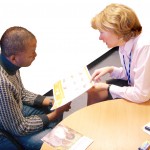
Studies have suggested a higher incidence of mental health problems in people with learning disabilities, although there are some differences in estimates, which have varied in studies looking at people with learning disabilities who also have a co-morbid psychiatric disorder from 14 to 39%. There is also evidence of increased likelihood of family members and [read the full story…]
Last week we posted about some research by a self advocacy group which was looking at some of the reasons why annual health checks only happened for one in four people with learning disabilities in their area. The researchers in this US study looked at the needs of primary care doctors using semi structured interviews [read the full story…]
It seems logical that people who work long hours and have a stressful job are more likely to suffer from depression, yet epidemiological studies that have investigated the links between long working hours and depression have reported inconsistent findings. The Whitehall II prospective cohort study followed nearly 3,000 British staff from across 20 civil service [read the full story…]
People with learning disabilities have faced a range of barriers when attempting to negotiate the legal system. Public law is complicated but this new guide hopes to provide clear, accurate advice in a range of areas, The guide, called ‘Know Your Rights’ has been broken down into six main themes: Housing Social and Health Care [read the full story…]
Earlier this week we posted about some guidance from the Royal College of GPs concerning eye care for people with learning disabilities. This guidance drew attention to the need for GPs to include a check on vision in annual health checks. There is good evidence that health checks work , but also increasingly concerns that [read the full story…]
Multi-sensory story telling is one way that adults with profound and multiple learning disabilities can make sense of who they are and what is happening in their day to day lives. The books used are individualised stories which, in addition to verbal text, also involve sensory stimulation. The approach is gaining in popularity, but as [read the full story…]
We have posted elsewhere on this blog about the issue of overweight and obesity in people with learning disabilities, with the evidence about the extent of this problem building with every new study. The researchers in the study however, were looking at a particular approach to dealing with the issue through a programme of peer-guided [read the full story…]
One of the ongoing themes of posts on this site is the well-documented view that people with learning disabilities are more likely to have difficulties with health issues and are less likely to have good access to healthcare to help them to manage those difficulties. However, there is now a growing body of advice and [read the full story…]
Studies show that over 1.6 million people are killed as a result of violence each year and it is thought that this estimate is considerably less than the actual number who die from assaults. Violence in inpatient hospital settings and emergency departments is the subject of a NICE guideline that is currently being updated. A [read the full story…]
Attitudes held by professionals towards the empowerment of people with learning disabilities can impact enormously on the nature of the support they receive. There is a big literature on the impact of attitudes held by medical professional s on access to and quality of healthcare for example. This issue was key to the pace of [read the full story…]