

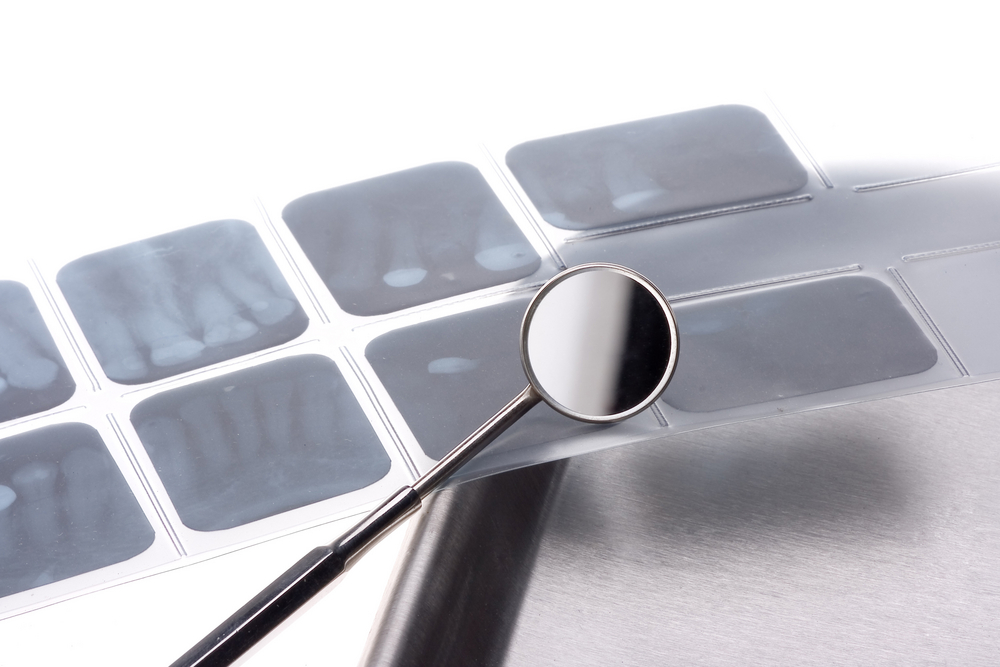

Root resorption in permanent teeth is a pathological process. It can occur from both from inside the tooth (internal resorption), or on the outer surface of the tooth (external root resorption). External root resorption (ERR) is thought to occur following damage to the root surface and there is some uncertainty over systems of classifying the condition. Classification notwithstanding early diagnosis a treatment is considered crucial to its management.
The aim of this review is to evaluate the effectiveness of any interventions that can be used in the management of external root resorption in permanent teeth.
Methods
Searches were conducted in the Cochrane Oral Health Group Trials Register, the Cochrane Central Register of Controlled Trials (CENTRAL), Medline, Embase, the US National Institutes of Health Trials Register and the WHO Clinical Trials Registry databases with no restrictions on language or date of publication. Studies involving participants with single or multiple permanent teeth with evidence of any type of external root resorption confirmed clinical and radiological examination with interventions including root canal medications and canal filling, splinting or extraction of teeth or the surgical removal of any relevant pathology, in comparison with each other, or placebo or no treatment were sought. Only randomised controlled clinical trials (RCTs) were considered for this review.
Two review authors screened search records independently. Full papers were obtained for potentially relevant trials. If data had been extracted, the statistical guidelines set out in the Cochrane Handbook would have been followed.
Results
Searches identified 70 titles and abstracts of studies but no RCTs were identified. However, one ongoing study that is potentially relevant to this review was identified and will be assessed when it is published.
Conclusions
The authors concluded:
We were unable to identify any reports of randomised controlled trials regarding the efficacy of different interventions for the management of external root resorption. In view of the lack of reliable evidence on this topic, clinicians must decide on the most appropriate means of managing this condition according to their clinical experience with regard to patient-related factors. There is a need for well designed and conducted clinical trials on this topic, which conform to the CONSORT statement.
Comments
ERR is reported to be more common in females than males and occur more frequently in those between the ages of 21-30 years of age. Orthodontic treatment may have a role and it can occur with systemic and endocrine disorders such as Gaucher’s disease and Turner’s syndrome.
While treatments have included symptomatic pain relief, endodontic therapy extraction can be the only option in extensive cases. However at present this review has only identified a single ongoing study that is currently recruiting to assess the effects of low-intensity pulsed ultrasound (LIPUS). Thefore there is no reliable evidence for the treatment of this condition so high quality studies are needed.
Links
Primary paper
Ahangari Z, Nasser M, Mahdian M, Fedorowicz Z, Marchesan MA. Interventions for the management of external root resorption. Cochrane Database of Systematic Reviews 2015, Issue 11. Art. No.: CD008003. DOI: 10.1002/14651858.CD008003.pub3.
Other references



Julia Lechliter
8 years agoExternal root resorption diagnosis: cone-beam computed tomography or periapical radiographs? - National Elf Service
9 years agoDavid Leader
10 years agoflyerLPA
10 years agoTheDentalElf
10 years agoPeriodoncia20
10 years agoTheDentalElf
10 years agocartesvelasquez
10 years agoTheDentalElf
10 years agoTheDentalElf
10 years agoTheDentalElf
10 years agoflyerLPA
10 years agoTheDentalElf
10 years ago