



In the Woodland we are used to simultaneous broadcasts from across the Elf family and in August this year The Lancet followed suit with three papers published from the Lancet family: The Lancet Psychiatry, The Lancet, and The Lancet Oncology.
The studies were conducted by researchers at the Universities of Oxford and Edinburgh and looked into major depression in patients with cancer.
Depression and cancer: why is this important?
Major depression is a leading cause of disability worldwide and when comorbid with a chronic disease it is associated with reduced quality of life and increased health-care costs. Cancer is becoming a chronic disease for a rapidly increasing number of people; in the UK alone more than 3 million people are expected to have a diagnosis of cancer by 2030.
As all good Liaison Services will be able to tell you, patients with cancer and comorbid depression have worse anxiety, pain, fatigue, and functioning than do other patients with cancer. They are also more likely to have suicidal thoughts, and to have more difficulties with adherence to cancer treatments.
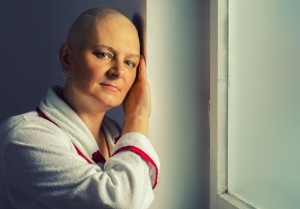
Depression and cancer: the new Lancet evidence
I am going to give a synopsis of the three papers, and have provided the links for those wishing to look more in depth at each.
Major depression is common in cancer patients
This study found that:
- Major depression is more common in patients with cancer than the general population
- 73% of patients were not receiving potentially effective treatment
The Lancet Psychiatry paper presented data from patients with breast, lung, colorectal, genitourinary, or gynaecological cancer who had participated in routine screening for depression in cancer clinics in Scotland, between May 12, 2008, and Aug 24, 2011.
Depression screening was done in two stages:
- First the Hospital Anxiety and Depression Scale;
- Then, using the major depression section of the Structured Clinical Interview for the Diagnostic and Statistical Manual of Mental Disorders, 4th Edition
The study analysed data for 21,151 patients.
The prevalence of major depression was:
- Lung cancer (13·1%, 95% CI 11·9 to 14·2%)
- Gynaecological cancer (10·9%, 9·8 to 12·1)
- Breast cancer (9·3%, 8·7 to 10·0)
- Colorectal cancer (7·0%, 6·1 to 8·0)
- Genitourinary cancer (5·6%, 4·5 to 6·7)
A diagnosis of major depression was more likely in patients who were younger, had worse social deprivation scores, and, for lung cancer and colorectal cancer, female patients.

‘Depression Care for People with Cancer’ was strikingly more effective at reducing depression in patients with good prognosis
The Lancet paper published information from the SMaRT Oncology-2 trial which is a parallel-group, multicentre, randomised controlled effectiveness trial, looking at the highlighted problem of inadequate treatment.
This evaluated the effectiveness of a new treatment programme called ‘Depression Care for People with Cancer’ (DCPC). DCPC is delivered by a team of specially trained cancer nurses and psychiatrists, working in collaboration with the patient’s cancer team and general practitioner (GP), and is given as part of cancer care. It is a systematic treatment programme that includes both antidepressants and psychological therapy.
The initial treatment phase comprises a maximum of ten sessions with the nurse (at the cancer or primary care clinic, or if necessary by telephone) over a 4-month period. After this initial treatment period, PHQ-9 scores are monitored monthly by telephone (through an automated system supplemented by nurse calls) for a further 8 months; additional sessions with the nurse are provided for patients not meeting treatment targets.
The trial, involving 500 adults with major depression and a cancer with a good prognosis (predicted survival more than 12 months) compared DCPC with usual care; as provided by a patient’s GP who may prescribe antidepressants or refer patients to mental health services for assessment or psychological treatment. Response to treatment was classified as at least a 50% reduction in the severity of their depression.
At 6 months:
- 62% of the patients who received DCPC responded to treatment
- 17% of those who received usual care responded to treatment
This benefit was sustained at 12 months. DCPC also improved anxiety, pain, fatigue, functioning, and overall quality of life. Moreover, the cost of providing DCPC was modest (£613 per patient) making it a cost-effective way to improve cancer patients’ quality of life.
The huge benefit that DCPC delivers for patients with cancer and depression shows what we can achieve for patients if we take as much care with the treatment of their depression as we do with the treatment of their cancer.
– Professor Michael Sharpe from the University of Oxford

‘Depression Care for People with Cancer’ also improves depression and quality of life in patients with poor prognosis
Finally, to see if patients with a poor cancer prognosis could also benefit from this approach, The Lancet Oncology published the SMaRT Oncology-3 randomised trial. This tested a version of DCPC adapted for patients with a typically poor prognosis cancer (lung cancer).
The trial, involving 142 patients with lung cancer and major depression, found that those who received the lung cancer version of DCPC had a significantly greater improvement in depression than those who received usual care during 32 weeks of follow-up.
The lung cancer-specific version of DCPC also improved self-rated depression, anxiety, quality of life, role functioning, and perceived quality of care.

Larger trials are now needed to estimate the effectiveness and cost-effectiveness of this care programme in this patient population, and further adaptation of the treatment will be necessary to address the unmet needs of patients with major depression and cancer, irrespective of prognosis.
Patients with lung cancer often have a poor prognosis. If they also have major depression that can blight the time they have left to live. This trial shows that we can effectively treat depression in patients with poor prognosis cancers like lung cancer and really improve patients’ lives.
– Dr Jane Walker from the University of Oxford and Sobell House Hospice in Oxford.
Links
Walker J, Hansen CH, Martin P, Symeonides S, Ramessur R, Murray G, Sharpe M. Prevalence, associations and adequacy of treatment of major depression in 21 151 cancer outpatients: a cross-sectional analysis of routinely collected clinical data. The Lancet Psychiatry, Volume 1, Issue 5, Pages 343 – 350. Published Online: 28 August 2014
Sharpe M, Walker J, Hansen CH, Martin P, Symeonides S, Gourley C, Wall L, Weller D, Murray G, for the SMaRT (Symptom Management Research Trials) Oncology-2 Team. Integrated collaborative care for comorbid major depression in cancer patients (SMaRT Oncology-2): a multicentre randomised controlled effectiveness trial. The Lancet, Volume 384, Issue 9948, Pages 1099 – 1108. Published Online: 28 August 2014
Walker J, Hansen CH, Martin P, Symeonides S, Gourley C, Wall L, Weller D, Murray G, Sharpe M, for the SMaRT (Symptom Management Research Trials) Oncology-3 Team. Integrated collaborative care for major depression comorbid with a poor prognosis cancer (SMaRT Oncology-3): a multicentre randomised controlled efficacy trial in patients with lung cancer. The Lancet Oncology, Volume 15, Issue 10, Pages 1168 – 1176. Published Online: 28 August 2014





Collaboration, collaboration, collaboration
10 years agoAntidepressants for depression in cancer
10 years agoPost Of The Week – Saturday 8th November 2014 | DHSB/DHSG Psychology Research Digest
11 years agoHealthOnPhone
11 years agoatimeforbalance
11 years agoLiaisonLawson
11 years agofind_therapy
11 years agoCRWLibrary
11 years agolinda_hattingh
11 years agoBuzA_physH
11 years agoMental_Elf
11 years agoJBBC
11 years agodopaminergic13
11 years agoDrOKennedy
11 years agoJBBC
11 years agoKSSHPN
11 years agoBrigitteTrust
11 years agoheatherswifty
11 years agoCNas66
11 years agomitzicato
11 years agoluismadridp
11 years agoTheLancetPsych
11 years agoOxBEL
11 years agoWellchamps
11 years agoCoyneoftheRealm
11 years agoSigrunVehling
11 years agopsicoviedo
11 years agopetervhale
11 years agoCoyneoftheRealm
11 years agoKnittingYogurt
11 years agoMental_Elf
11 years agoLysanneWilson
11 years agojoinmq
11 years agoBuzA_physH
11 years agoJanePightling
11 years agoAnd_Cipriani
11 years agoanne_slam
11 years agoMillerHGCCG
11 years agoeskbankbooks
11 years agoeskbankbooks
11 years agoeskbankbooks
11 years agoCounselling_SC
11 years agoDurhamSmhPgr
11 years agoLRussellWolpe
11 years agoCjoyceMQ
11 years agoLiaisonLawson
11 years agoNicki_Haywood
11 years ago121Therapy
11 years agowolfdove1016
11 years agoCFMHN
11 years agoLiaisonLawson
11 years agoDebbieHEYH
11 years ago_leylasanchez
11 years agoOldsoldier8585
11 years agoaghoury79
11 years agomcpherson_ian
11 years agoheydonworks
11 years agoMental_Elf
11 years agoucl_crucitwit
11 years agojllaidlaw
11 years agovjtew
11 years agoangliacounsel
11 years agoHealthOnPhone
11 years agoDavidGratzer
11 years agoConorFarrington
11 years agoBABCP
11 years agoOTBeth131
11 years agoCRWLibrary
11 years agomndsci
11 years agoAndreasC466
11 years agocancernurseEU
11 years agoCEwakefield
11 years agoPandoraP2
11 years agoTalentCoop
11 years agoJBBC
11 years agoKadamBPD
11 years agolypftlib
11 years agoLiaisonLawson
11 years agocharitybegin1
11 years agoMental_Elf
11 years agoGregorWell
11 years agokaydee94946954
11 years agoNHFTNHSLibrary
11 years agoHHLibService
11 years agoprofmsharpe
11 years agoHWSandwell
11 years agoMHealthResearch
11 years agoMental_Elf
11 years agoLiaisonLawson
11 years agoJune Dunnett
11 years agoKirsten Lawson McKenzy
11 years agoTCleare
11 years agoEuropaDonnaIrel
11 years agoLMarryat
11 years agoLiaisonLawson
11 years agoMental_Elf
11 years agoaghoury79
11 years agoHeemaShukla
11 years agoThe Mental Elf
11 years agomcpherson_ian
11 years agomentalcapital
11 years agoMental_Elf
11 years ago_SMHR_
11 years agoworthlivingwell
11 years agoclivestone22
11 years agoramnaslady
11 years agoag2460
11 years agoMartinEHeadofC
11 years agoRandomSalmon
11 years agoDrShirleyLock
11 years agofoxtherapy
11 years agoLiaisonLawson
11 years agoYoga_Amsterdam
11 years agoAddictionNotDis
11 years agoIain_caldwell
11 years agoCounsellingHub
11 years ago