



There are three main groups of eating disorders: Anorexia Nervosa characterised by low body weight and food restriction; Bulimia characterised by binge eating and inappropriate compensatory behaviours (e.g. self-induced vomiting, use of laxative); Eating Disorders Not Otherwise Specified (EDNOS) which are a group of other disorders that include a mixture of anorexia- and bulimia-like atypical disorders.
The impact of eating disorders on oral health was first noticed in the 1970s and three dental impacts have been reported:
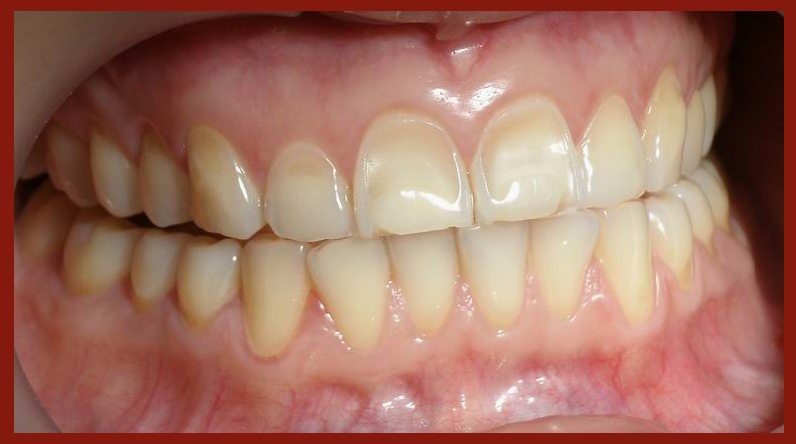
- Dental erosion or tooth wear linked with gastric reflux, frequent vomiting and consumption of citrus fruits and soft drinks
- Dental decay
- Dry mouth
The aim of this review was to determine the association between eating disorders and poor oral health, including any differences between patients with and without self-induced vomiting.

Methods
Searches were conducted in the Medline, Psycinfo and Embase databases. Studies of oral health in people with eating disorders that included a control group of people, preferably matched, without eating disorders were considered.
Only studies where psychiatric status could be determined by clinical diagnosis or diagnostic criteria were included.
Studies of people with severe mental illness, primary alcohol or substance use disorders, intellectual disability and other psychological disorders were excluded.
Two reviewers carried out study selection and data abstraction independently.
Study quality was assessed using the Newcastle-Ottawa Scale (NOS).
The main outcomes considered were dental erosion, decay and salivary gland function.
Results
- 10 studies involving a total of 1,112 patients were included
- 4 studies were from Nordic countries, 2 from England, with one study from Australia, Israel, Germany, and the USA.
- Bulimia was the most common diagnosis followed by anorexia and eating disorders not otherwise specified.
- Ages ranged from 10 years to 50 years.
- Compared with controls, patients with eating disorders had:
- Higher odds of dental erosion (OR = 5.0 (95% CI; 3.31 to 7.58):
- This was increased in patients with self-induced vomiting (OR = 7.32 (95% CI; 3.92 to 13.67).
- Significantly more decayed, missing and filled surfaces than controls. Mean difference = 3.07 (95% CI; 0.66 to 5.48).
- Reduced salivary flow (OR = 2.24 (95% CI; 1.44 to 3.51).
- Higher odds of dental erosion (OR = 5.0 (95% CI; 3.31 to 7.58):
Conclusions
The authors concluded:
These findings highlight the importance of collaboration between dental and other health workers such as dieticians, general practitioners, psychiatrists and other mental health clinicians. This applies to all patients with eating disorders, not just those who present with self-induced vomiting. Dentists may be the first clinicians to suspect the diagnosis, given the reluctance of some people with eating disorders to present for treatment. In established cases collaboration might help to minimise the harmful effects of inappropriate diet and self-induced vomiting.
Comments
The review protocol was registered with PROSPERO, an international database of prospectively registered systematic reviews in health and social care based in the UK. The protocol indicates that the authors would be including case-controlled studies and cohorts although the details of the study designs of the 10 included papers is not detailed in the main paper and neither is the quality of the individual papers. However, the authors indicate study quality was ‘not optimal particularly in the areas of selection and ascertainment of outcome’. The narrative summary of the included studies in the results section highlight issues with the determination of the ‘psychiatric caseness’, which they note as a limitation of the study. There was also some variability in the use of indices and training of dentist for the dental assessments.
A 2014 review by Hermont et al (Dental Elf – 11th Nov 2014) has also looked at this question. That review included 26 studies (13 case-control and 10 cross-sectional) with a meta-analysis of the 9 case-controlled studies again finding that patients with eating disorders had a greater risk of tooth erosion (OR = 12.4, 95% CI = 4.1 to 37.5). Despite the large odds ratios found in both reviews, both groups of authors recommend caution in interpreting their findings because of concerns over the quality of the underlying evidence.

Links
Primary paper
Kisely S, Baghaie H, Lalloo R, Johnson NW. Association between poor oral health and eating disorders: systematic review and meta-analysis. Br J Psychiatry. 2015 Oct;207(4):299-305. doi: 10.1192/bjp.bp.114.156323. Review. PubMed PMID: 26429686.
Other references
Dental Elf – 11th Nov 2014 – Tooth erosion: review suggests an association with eating disorders
Photo credits




Psychological disorders associated with poor oral health - National Elf Service
10 years agoTop Dental Elf Blogs of 2015 - National Elf Service
10 years agoOL1Oldham
10 years agoHWOldham
10 years agoDominic_Hurst
10 years agoDrWMB
10 years agoRandall_JAC
10 years agoMuddledWorld
10 years agoLindaKenward
10 years agoMoya Nelson
10 years agoDianev44
10 years agoflyerLPA
10 years agoTheDentalElf
10 years agochristoclifford
10 years agoMental_Elf
10 years agoTheDentalElf
10 years agoAlonso Carrasco
10 years agoIzzet Yavuz
10 years agoLangdonDental
10 years agoTheDentalElf
10 years agojkbeecham1
10 years agoDenSchoolMan
10 years agocharitybegin1
10 years agoTheDentalElf
10 years agoDochkaH
10 years agoHHLibService
10 years agohelen_cordery
10 years agoCNWLlibraries
10 years agoFewingsBj
10 years agoAlina Rennie
10 years agoSCIE_sco
10 years agoIOWNHSLibrary
10 years agoplasmafire323
10 years agoChristine Park
10 years agoCatalyseC
10 years agoFitnessGuide112
10 years agoTheDentalElf
10 years agoLynette Anear
10 years agoThe Mental Elf
10 years agoKirsten Corden
10 years agoIntl_Nurses
10 years agoiahcp
10 years agosarah_robbo
10 years agoMental_Elf
10 years agoCG_Sheikh
10 years agoLaynielouxu
10 years agoCardiffHealthPs
10 years agoMeme Aldream
10 years agofacebookguide2
10 years agoflyerLPA
10 years agoiVivekMisra
10 years ago