
The Mental Elf

NICE publish first guideline for conduct disorders and antisocial behaviour in children and young people

Conduct disorders are the most common reason why children are referred to mental health services and it’s estimated that around 5% of all UK children aged 5-16 have a diagnosis of the condition.

Around half of the young people affected by conduct disorders go on to have a serious mental health problem as an adult. Family life can be very difficult, schooling can be ruined and problems with drugs or the criminal justice system are common.

Conduct disorders are characterised by repeated and persistent misbehaviour much worse than would normally be expected in a child of that age. This may include stealing, fighting, vandalism and harming people or animals.

NICE and SCIE (the Social Care Institute for Excellence) have updated the 2006 technology appraisal on conduct disorder in children with this new guideline (PDF) that covers the recognition, treatment and management of antisocial behaviour and conduct disorders.

Key priorities in the guidance include:

The guidance suggests that words like "no" may actually be a trigger for bad behaviour for some children affected by conduct disorders
The guidance suggests that words like “no” may actually be a trigger for bad behaviour for some children affected by conduct disorders
  • Initial assessment of children and young people with a possible conduct disorder
  • Comprehensive assessment
  • Parent training programmes
  • Foster carer/guardian training programmes
  • Child-focused programmes
  • Multimodal interventions
  • Pharmacological interventions
  • Improving access to services

One headline recommendation from the guidance that received media coverage last week is that parents should adopt a consistent approach to caring for children affected by conduct disorder, which focuses on encouraging positive behaviour rather than disciplining their children. It also suggests that words like “no” may actually be a trigger for bad behaviour for some children affected by the condition.

Other recommendations include:

  • Initial assessment of children and young people with a possible conduct disorder: Assess for the presence of the following significant complicating factors:
    • A coexisting mental health problem (for example, depression, post-traumatic stress disorder)
    • A neurodevelopmental condition (in particular ADHD and autism)
    • A learning disability or difficulty
    • Substance misuse in young people.
  • Parent training programmes
    • Offer a group parent training programme to the parents of children and young people aged between 3 and 11 years who: have been identified as being at high risk of developing oppositional defiant disorder or conduct disorder or have oppositional defiant disorder or conduct disorder or are in contact with the criminal justice system because of antisocial behaviour.
  • Child-focused programmes
    • Offer group social and cognitive problem-solving programmes to children and young people aged between 9 and 14 years who: have been identified as being at high risk of developing oppositional defiant disorder or conduct disorder or have oppositional defiant disorder or conduct disorder or are in contact with the criminal justice system because of antisocial behaviour.
  • Improving access to services: Provide information about the services and interventions that constitute the local care pathway, including the:
    • Range and nature of the interventions provided
    • Settings in which services are delivered
    • Processes by which a child or young person moves through the pathway
    • Means by which progress and outcomes are assessed
    • Delivery of care in related health and social care services.

Future research recommendations include:
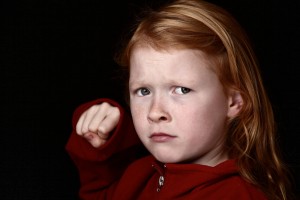
The problems associated with conduct disorder are often lifelong; as those who had a conduct disorder during their childhood are far more likely to develop another mental health disorder when they are an adult
  • Parent training programmes for children aged 12 years and over with a conduct disorder
  • Improving uptake of and engagement with interventions for conduct disorders
  • Maintaining the benefits of treatment and preventing relapse after successful treatment for conduct disorder
  • Combining treatment for mental health problems in parents with treatment for conduct disorders in their children
  • Classroom-based interventions for conduct disorders

Professor Stephen Pilling, Director, National Collaborating Centre for Mental Health; Professor of Clinical Psychology and Clinical Effectiveness, UCL and facilitator of the Guideline Development Group, said:

Children with conduct disorders are different. It’s not a bit of tantruming or getting into trouble now and then. It’s picking up the 14-inch TV and throwing it through the window. The problems associated with conduct disorder are often lifelong; with adults who had a conduct disorder during their childhood being far more likely to develop another mental health disorder when they are an adult – nearly half go on to develop antisocial personality disorder. The costs to individuals, families and society of untreated conduct disorder are enormous.

Professor Peter Fonagy, Chief Executive, Anna Freud Centre, Freud Memorial; Professor of Psychoanalysis, UCL and member of the Guideline Development Group, said:

All children can be naughty, defiant and impulsive from time to time, which is perfectly normal. However, some children have extremely difficult and challenging behaviours that are outside the norm for their age. Recognising and accurately diagnosing a conduct disorder is vital to ensuring children and their families are able to access the treatment and support they need to manage the condition.

Links

Conduct disorders in children and young people: NICE guideline, CG158 (PDF). NICE, 27 Mar 2013.

Conduct disorders in children and young people: NICE guideline, CG158. NICE, 27 Mar 2013.
Web version with implementation tools and resources.

Antisocial behaviour and conduct disorders in children and young people. NICE pathway.

Add a comment
  • Enfants et adolescents souffrant de conduites déviantes et antisociales : nouveau guide de pratique clinique NICE | La veillée psy

    Enfants et adolescents souffrant de conduites déviantes et antisociales : nouveau guide de pratique clinique NICE | La veillée psy

    13 years ago
    [...] [Source:  MentalElf] [...]
  • TheFlyingDoc

    TheFlyingDoc

    13 years ago
    @Mental_Elf why can't professionals just understand child dev, factors impacting on it (attachment etc) and produce holistic formulation?
  • CPAAssociation

    CPAAssociation

    13 years ago
    RT @Mental_Elf: New NICE guideline on conduct disorders and antisocial behaviour in children & young people http://t.co/X6QMfcOSsA
  • SeraY1979

    SeraY1979

    13 years ago
    @Mental_Elf Hope patience, love and tailored nutritional advice come before labelling and meds.
  • BPDFFS

    BPDFFS

    13 years ago
    RT @Mental_Elf: NICE guidance recommends parent-training and child-focused programmes for children with conduct disorders http://t.co/tl ...
  • BPSOfficial

    BPSOfficial

    13 years ago
    RT @Mental_Elf: NICE guidance recommends parent-training and child-focused programmes for children with conduct disorders http://t.co/tl ...
  • RecoveryInst

    RecoveryInst

    13 years ago
    RT @UrbanFoxy: “@Mental_Elf: New NICE guideline on conduct disorders and antisocial behaviour in children & young people http:/ ...
  • MusicTherapyWks

    MusicTherapyWks

    13 years ago
    RT @claire0776: @TOOCARE2002 New NICE guideline on conduct disorders and antisocial behaviour in children & young people http://t.co ...
  • PaulStudentMHN

    PaulStudentMHN

    13 years ago
    RT @janerahpd: NICE guidance recommends parent-training and child-focused programmes for children with conduct disorders http://t.co/9Rp ...
  • KathEvans2

    KathEvans2

    13 years ago
    RT @janerahpd: NICE guidance recommends parent-training and child-focused programmes for children with conduct disorders http://t.co/9Rp ...
  • janerahpd

    janerahpd

    13 years ago
    NICE guidance recommends parent-training and child-focused programmes for children with conduct disorders http://t.co/9RpSiK2vOX” #AHPkids
  • Info_Connection

    Info_Connection

    13 years ago
    RT @Mental_Elf: New NICE guideline on conduct disorders and antisocial behaviour in children & young people http://t.co/X6QMfcOSsA
  • CCareStandards

    CCareStandards

    13 years ago
    RT @Mental_Elf: NICE guidance recommends parent-training and child-focused programmes for children with conduct disorders http://t.co/tl ...
  • lightchronic

    lightchronic

    13 years ago
    RT @Mental_Elf: @NICEcomms @SCIE_socialcare guideline on #ConductDisorders & #AntisocialBehaviour in children & young people htt ...
  • ADC_BMJ

    ADC_BMJ

    13 years ago
    RT @Mental_Elf: NICE guidance recommends parent-training and child-focused programmes for children with conduct disorders http://t.co/tl ...
  • snowdropbooks

    snowdropbooks

    13 years ago
    RT @henrystrick: New #NICE guideline abt children w conduct disorder or antisocial behaviour. by @mental_elf http://t.co/DPkqu6Tf1N
  • AMLTaylor66

    AMLTaylor66

    13 years ago
    RT @henrystrick: New #NICE guideline abt children w conduct disorder or antisocial behaviour. by @mental_elf http://t.co/DPkqu6Tf1N
  • henrystrick

    henrystrick

    13 years ago
    New #NICE guideline abt children w conduct disorder or antisocial behaviour. by @mental_elf http://t.co/DPkqu6Tf1N
  • HelenMcAvoy2

    HelenMcAvoy2

    13 years ago
    RT @Mental_Elf: NICE guidance recommends parent-training and child-focused programmes for children with conduct disorders http://t.co/tl ...
  • MSK_Elf

    MSK_Elf

    13 years ago
    RT @Mental_Elf: @NICEcomms @SCIE_socialcare guideline on #ConductDisorders & #AntisocialBehaviour in children & young people htt ...
  • Mental_Elf

    Mental_Elf

    13 years ago
    @NICEcomms @SCIE_socialcare guideline on #ConductDisorders & #AntisocialBehaviour in children & young people http://t.co/tlanhBVrdN
  • TSiupan

    TSiupan

    13 years ago
    guideline for conduct disorders and antisocial behaviour in children and young people. #tpmhn @AllanHyz @FrankFlava http://t.co/iMpSqfDMbO
  • Mental_Elf

    Mental_Elf

    13 years ago
    NICE guidance recommends parent-training and child-focused programmes for children with conduct disorders http://t.co/tlanhBVrdN
  • TheSandlings

    TheSandlings

    13 years ago
    RT @Mental_Elf: 5% of children have conduct disorders & half of them go on to have serious mental health problems, says NICE http:// ...
  • KaislaJokinen

    KaislaJokinen

    13 years ago
    "Around half of the young people affected by conduct disorders go on to have a serious mental health problem as adult http://t.co/Mt7yIbF0Hm
  • QuestAnswers

    QuestAnswers

    13 years ago
    RT @Mental_Elf: 5% of children have conduct disorders & half of them go on to have serious mental health problems, says NICE http:// ...
  • howie_675

    howie_675

    13 years ago
    @Mental_Elf good to have guidelines.It's just a shame that there aren't consistent approaches taken to help children parents and teachers.
  • howie_675

    howie_675

    13 years ago
    RT @Mental_Elf: 5% of children have conduct disorders & half of them go on to have serious mental health problems, says NICE http:// ...
  • anniecox01

    anniecox01

    13 years ago
    RT @Mental_Elf: New NICE guideline on conduct disorders and antisocial behaviour in children & young people http://t.co/X6QMfcOSsA
  • SchrebersSister

    SchrebersSister

    13 years ago
    RT @Mental_Elf: 5% of children have conduct disorders & half of them go on to have serious mental health problems, says NICE http:// ...
  • EducationElf

    EducationElf

    13 years ago
    RT @Mental_Elf: 5% of children have conduct disorders & half of them go on to have serious mental health problems, says NICE http:// ...
  • christoclifford

    christoclifford

    13 years ago
    RT @Mental_Elf: 5% of children have conduct disorders & half of them go on to have serious mental health problems, says NICE http:// ...
  • IamCarrieeeeee

    IamCarrieeeeee

    13 years ago
    RT @Mental_Elf: 5% of children have conduct disorders & half of them go on to have serious mental health problems, says NICE http:// ...
  • RandomSalmon

    RandomSalmon

    13 years ago
    @Mental_Elf That's an awful statistic #children
  • trufflesquirrel

    trufflesquirrel

    13 years ago
    RT @Mental_Elf: New NICE guideline on conduct disorders and antisocial behaviour in children & young people http://t.co/X6QMfcOSsA
  • susanna__brown

    susanna__brown

    13 years ago
    RT @Mental_Elf: 5% of children have conduct disorders & half of them go on to have serious mental health problems, says NICE http:// ...
  • Mental_Elf

    Mental_Elf

    13 years ago
    5% of children have conduct disorders & half of them go on to have serious mental health problems, says NICE http://t.co/tlanhBVrdN
  • UrbanFoxy

    UrbanFoxy

    13 years ago
    “@Mental_Elf: New NICE guideline on conduct disorders and antisocial behaviour in children & young people http://t.co/qLMypWD1t4”
  • SpeechTeach63

    SpeechTeach63

    13 years ago
    RT @Mental_Elf: Saying "no" to children with #ConductDisorders may trigger bad behaviour, according to new NICE guidance http://t.co/tla ...
  • entwellbeing

    entwellbeing

    13 years ago
    RT @Mental_Elf: Saying "no" to children with #ConductDisorders may trigger bad behaviour, according to new NICE guidance http://t.co/tla ...
  • BronwynHemsley

    BronwynHemsley

    13 years ago
    RT @Mental_Elf: Saying "no" to children with #ConductDisorders may trigger bad behaviour, according to new NICE guidance http://t.co/tla ...
  • Mental_Elf

    Mental_Elf

    13 years ago
    Saying "no" to children with #ConductDisorders may trigger bad behaviour, according to new NICE guidance http://t.co/tlanhBVrdN
  • RDFallis

    RDFallis

    13 years ago
    RT @Mental_Elf: New NICE guideline on conduct disorders and antisocial behaviour in children & young people http://t.co/X6QMfcOSsA
  • RachelHadland

    RachelHadland

    13 years ago
    RT @Mental_Elf: New NICE guideline on conduct disorders and antisocial behaviour in children & young people http://t.co/X6QMfcOSsA
  • lawrah87

    lawrah87

    13 years ago
    RT @Mental_Elf: New NICE guideline on conduct disorders and antisocial behaviour in children & young people http://t.co/X6QMfcOSsA
  • EvaAlisic

    EvaAlisic

    13 years ago
    RT @Mental_Elf: New NICE guideline on conduct disorders and antisocial behaviour in children & young people http://t.co/X6QMfcOSsA
  • claire0776

    claire0776

    13 years ago
    @TOOCARE2002 New NICE guideline on conduct disorders and antisocial behaviour in children & young people http://t.co/KlI7rYFWZp
  • ReesDawn

    ReesDawn

    13 years ago
    @Mental_Elf sorry Elfie just tweeted about this but hadnt scrolled down #notawake
  • brett_hayes

    brett_hayes

    13 years ago
    RT @Mental_Elf: New NICE guideline on conduct disorders and antisocial behaviour in children & young people http://t.co/X6QMfcOSsA
  • Iain_caldwell

    Iain_caldwell

    13 years ago
    RT @Mental_Elf: New NICE guideline on conduct disorders and antisocial behaviour in children & young people http://t.co/X6QMfcOSsA
  • HWBrum

    HWBrum

    13 years ago
    RT @Mental_Elf: New NICE guideline on conduct disorders and antisocial behaviour in children & young people http://t.co/X6QMfcOSsA