

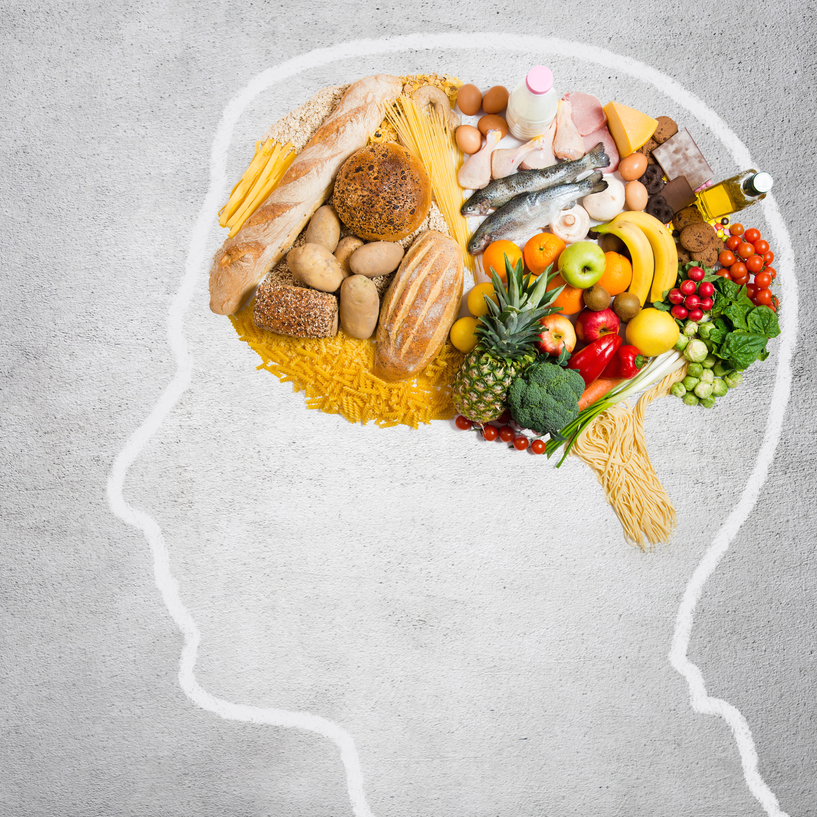

Intermittent fasting is all the rage these days and has been the subject of popular documentaries, websites, and books. Claims made for this pattern of eating would seem rather late night TV infomercial too good to be true (Lose weight! Prevent cancer! Reverse diabetes! Free steak knives!) were it not based on a significant body of research showing that calorie restriction and intermittent bouts of fasting can have profound effects on the body.
A recent authoritative review (Longo and Mattson, 2014) highlights the main findings of the last two decades of research (and contains all the references referred to below).
In humans, intermittent fasting has been shown to:
- Lead to weight loss
- Improve insulin sensitivity
- Reduce blood pressure
- Reduce inflammation
- Reduce levels of hormones linked to an increased risk of cancer, including IGF-1
In animals, famously, it has been shown to extend lifespan dramatically (2-fold in yeast, and in rodents by 30%) and to improve the outcomes of a variety of cancers, as well as increasing cellular stress resistance in heart and muscle.
However, the effect of intermittent fasting on one organ has not received quite as much attention: Woody Allen’s second favourite organ, the brain. The review from the NIH (Longo and Mattson, 2014) also outlines what understanding we have of the effect of intermittent fasting on the brain.
In rodent models, intermittent fasting reduces the neurological pathology and clinical symptoms of Alzheimer’s disease, Parkinson’s disease and Huntington’s disease (in transgenic animals, bred to over produce the causative protein in each of these dementias). Intermittent fasting also reduces the extent of damage (at the level of brain and behaviour) following epileptic seizures, stroke, traumatic brain and spinal cord injury.
I’m sorry, but skipping breakfast does what now?
This is all rather remarkable. The ‘treatment’ in these studies does not involve cutting edge modern biotechnological wizardry: no drugs, no stem cell technology, no deep brain stimulation, and no silencing ribonucleic acids. These studies simply involved restricting the time period during which the animals could eat (the most commonly employed paradigm is alternating one day of eating with one day of fasting, though variations exist).
Studies in humans are certainly more scarce but early work does suggest that intermittent fasting and calorie restriction can be good for the brain. Caloric restriction improves verbal memory in overweight women and in elderly subjects and in people with mild cognitive impairment a low glycaemic diet improves visual memory, markers of Alzheimer’s disease and the efficiency of brain energy metabolism.
These studies are largely in rodents, admittedly, but what drug exists that could potentially reduce your risk of Alzheimer’s, Parkinson’s, Huntington’s and your vulnerability to stroke and brain trauma, with the side effects of an occasionally grumbly belly? It is possible that the inherited wisdom of the benefits of three square meals a day may have the same level of evidentiary support as ‘an apple a day keeps the doctor away’.
Recently scientists have been asking: if intermittent fasting can be good for the brain what can it do for mood disorders? A recent qualitative review (Fond et al, 2013) has examined what progress has been made on this front.
Methods
The authors conducted a search on the Medline, Web of Science and PsycINFO databases to identify any studies that had examined the effect of fasting on mood or depression.
Results
They identified 92 studies.
- One early study, conducted in the 1970s, reported a remission rate of 86% in depressed patients subject to a (rather stringent) regime of 10 days of complete fasting.
- Other studies conducted in the past decade found that fasting or calorie restriction in healthy volunteers or those with medical issues (like irritable bowel syndrome or pain syndromes) showed improved energy levels, improved mood and reduced depressive and anxiety symptoms.
- Another useful paradigm studied is the intermittent fasting Moslems undergo during the month of Ramadan. Studies in these subjects have found decreased anxiety, and, in those with bipolar affective disorder, a reduction of both manic and depressive symptoms.
- There were also studies identified which have found no change in depressive or anxiety symptoms.
Why would fasting or calorie restriction affect brain health and mood at all?
The review authors identified a few potential explanations.
- One particularly interesting theory relates to the idea of hormesis: that a mildly negative stimulus can protect against a subsequent more severe insult. In animals, intermittent fasting has lead to an increase in brain-derived neurotrophic factor, thought to be important in the effect of antidepressants, increased neurogenesis (the growth of new neurons), enhanced synaptic plasticity and improved stress tolerance. In other words, it is possible that intermittent fasting is making the brains of these rodents hardier and more resilient.
- Other theories have focused on the effect of fasting on serotonin metabolism, improved sleep or the role of ketone bodies.
Conclusions
Clearly, the studies conducted so far have serious limitations; no study identified was a randomised controlled trial examining the effect of intermittent fasting or calorie restriction on mood disorders.
Thus far studies have been small, used a variety of different fasting paradigms, participant cohorts and outcome assessments. These studies have generally identified mood improvements between day 2 and 7 of fasting and longer term effects have not been studied.
However, it is profoundly intriguing that something as simple as skipping a meal a day or eating your daily calories in a shorter time period (without a reduction in overall calories) can have a profound effect on your bodily health, your brain and your mood.
Further studies will need to distinguish between the acute and chronic effects of fasting, further examine effects in populations with mood disorders and employ randomisation, standardised controls and outcome measurements.
Such early findings have already added to interest in the growing field of non-pharmacological, non-psychological therapies in psychiatry (such as exercise, sleep, light, and diet) that can affect mood and anxiety. They also serve as a reminder that our brains are embodied, and that the three pounds of flesh between our ears can be affected by a number of interventions that have not been conventionally considered psychiatric therapies.

Links
Fond G, Macgregor A, Leboyer M, Michalsen A. Fasting in mood disorders: neurobiology and effectiveness. A review of the literature. Psychiatry Res. 2013 Oct 30;209(3):253-8. doi: 10.1016/j.psychres.2012.12.018. Epub 2013 Jan 15. Review
Longo VD, Mattson MP. Fasting: molecular mechanisms and clinical applications. Cell Metab. 2014 Feb 4;19(2):181-92. doi: 10.1016/j.cmet.2013.12.008. Epub 2014 Jan 16.





N
5 years agoClaire Large
5 years agoR. Morgan
7 years agoRita M.
7 years agoRita M.
7 years agoDiet and depression: can we eat our way out of clinical depression?
9 years agoCharmaine
9 years agoJ.vasu chandrika
9 years agoRamadan the Antidepressant | About Islam
10 years agoExercise, Depression and the Energy Hypothesis | Pointers Gone Wild
10 years agogaryede
10 years agosam
10 years agoRamadan the Antidepressant | | Panic Free 411
11 years agowads
11 years agoBecky Fredericksen
11 years agoJoão Leal
11 years agoShelley Louise
11 years agoCarina Kirby
11 years agoThe Mental Elf
11 years agoAbi Johnson
11 years agoKirsten Corden
11 years agoCaroline Tomes
11 years agoScott Inglis
11 years agoSally Morton
11 years agoHampshire Healthcare Library Service
11 years agoJean Smith
11 years agojviosca
11 years agourbaneherbalist
11 years agoKimMHayes
11 years agodlhampton
11 years agoConeKicker
11 years agorobmarki
11 years agoIain_caldwell
11 years agonyraksniktaw
11 years agoDrGTalkingCures
11 years agoDrGTalkingCures
11 years agoSaffMitten
11 years agoComedianEmilyAC
11 years agobeccymaeso
11 years agogunturmaram
11 years ago121Therapy
11 years agoMental_Elf
11 years agoHungerFitness
11 years agoHungerFitness
11 years agoHolger Maiväli
11 years agoBrantCebulla
11 years agolypftlib
11 years agoMaria10583
11 years agoPastoralHC
11 years agoScrawkers
11 years agosarahpressman
11 years agopully8
11 years agoMelissaLadyman
11 years agoMental_Elf
11 years agoAbi Johnson
11 years agoKirsten Corden
11 years agoCaroline Tomes
11 years agoScott Inglis
11 years agoSally Morton
11 years agoHampshire Healthcare Library Service
11 years agoJean Smith
11 years agoiVivekMisra
11 years agoHHLibService
11 years agoMental_Elf
11 years agoaghoury79
11 years agoCreativeAspie
11 years agotombssimon
11 years agoSarahMMcKay
11 years agoHAjoreen
11 years agoTezza_27_83
11 years agoKellyBEworks
11 years agoJaneEBSmith
11 years agoPHRCLeeds
11 years agoEPGnewsandviews
11 years agoBPSOfficial
11 years agorabbitniklee
11 years agoMental_Elf
11 years agoFizahS
11 years agoThe Mental Elf
11 years agoguillaume fond
11 years agoNoodleSlim
11 years agoBecky Fredericksen
11 years agoJoão Leal
11 years agoShelley Louise
11 years agoCarina Kirby
11 years agoThe Mental Elf
11 years agoTheOTShow
11 years ago3ElmsRoad
11 years agonmucko
11 years ago121Therapy
11 years agoaghoury79
11 years agoGumOnMyShoeBook
11 years agoHerne_TheHunter
11 years agoHerne_TheHunter
11 years agojenny_dryden
11 years ago