

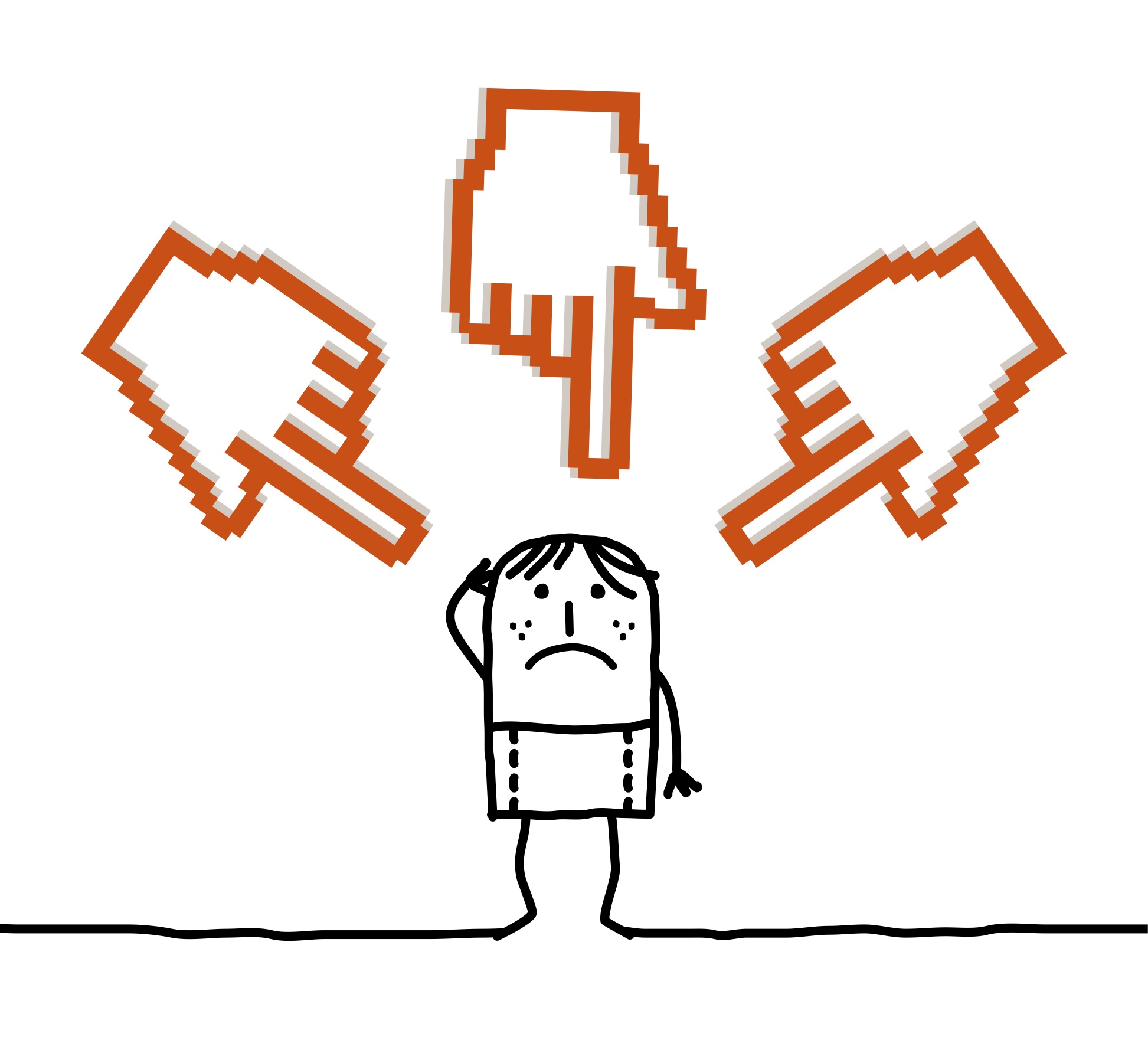

I wonder if the timing of this publication was planned to be so close to the release of DSM-5, but this debut guidance on social phobia (now known as social anxiety disorder) is certainly going to ruffle some feathers. It fuels the discussion about the medicalisation of human personality traits and some will see it as another attempt by the medical community to classify normal behaviour as mental illness.
But is this kind of reaction justified, or is this new guidance simply a set of evidence-based recommendations for recognising, assessing and treating a disabling and persistent condition?
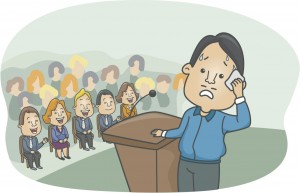
Social anxiety disorder is said to be one of the most common of the anxiety disorders, affecting something like one in ten people. It involves the persistent fear of certain social situations, such as meeting new people, talking in meetings, eating or drinking while being observed and public performances such as public speaking.
It’s only natural for all of us to get worried about these things from time to time, but people with social anxiety disorder worry about them excessively, and so try to avoid them. This can have a huge impact on their personal lives, their work and their education.
Only half of those with social anxiety disorder seek treatment, even though there are a range of effective therapies to choose from.
Diagnosis in adults
The guideline recommends using the 3-item Mini Social Phobia Inventory (Mini-SPIN) to identify the disorder in adults.
The Mini-SPIN contains 3 items about avoidance and fear of embarrassment that you rate based on the past week. The items are rated using a 5-point Likert scale: 0 = not at all, 1 = a little bit, 2 = somewhat, 3 = very much, 4 = extremely.
- Fear of embarrassment causes me to avoid doing things or speaking to people.
- I avoid activities in which I am the centre of attention.
- Being embarrassed or looking stupid are among my worst fears.
The Mini-SPIN is scored by adding up scores from these 3 item ratings. Scores of 6 or higher on the Mini-SPIN indicate possible problems with social anxiety. Scores this high would generally be followed up with a full diagnostic interview for SAD with a trained mental health professional.
Caring for adults

The guideline recommends a range of treatment options for adults with social anxiety disorder:
- CBT that has been specifically developed to treat social anxiety disorder (based on the Clark and Wells model or the Heimberg model)
- Do not routinely offer group CBT in preference to individual CBT
- For adults who decline CBT and wish to consider another psychological intervention, offer CBT-based supported self-help
- For adults who decline CBT and express a preference for a drug treatment, discuss their reasons for declining CBT and address any concerns
- If the person wishes to proceed with drug treatment, offer an SSRI (escitalopram or sertraline). Monitor the person carefully for side effects
- Short-term psychodynamic psychotherapy that has been specifically developed to treat social anxiety disorder is an option for anyone who declines CBT, self-help or antidepressants, although this treatment is less effective than the other 3.
Caring for children and young people

Recommended treatment options for children are far more limited:
- Offer individual or group CBT focused on social anxiety
- Consider psychological interventions that were developed for adults for young people (typically aged 15 years and older) who have the cognitive and emotional capacity to undertake a treatment developed for adults
Treatments to avoid
NICE also flag up a number of interventions that they suggest are not routinely offered:
- Pharmacological interventions to treat social anxiety disorder in children and young people
- Anticonvulsants, tricyclic antidepressants, benzodiazepines or antipsychotic medication to treat social anxiety disorder in adults
- Mindfulness-based interventions or supportive therapy to treat social anxiety disorder
Professor Mark Baker, Director of the Centre for Clinical Practice at NICE, said:
Social anxiety disorder isn’t about being shy at parties or feeling anxious about a job interview, it’s about experiencing a level of anxiety that can disrupt normal life, interfering with social relationships and affecting performance at work or school. In these cases, it is really important that the individual is able to get the right help.
This guideline includes a number of recommendations to support healthcare professionals to accurately diagnose and manage social anxiety disorder. We hope that the development of NICE guidance in this area will help ensure that those affected by this disorder receive the best possible support.
Nicky Lidbetter, Chief Executive Officer of Anxiety UK, said:
We welcome the development of these guidelines for social anxiety and the recognition that the condition of social anxiety can be extremely disabling for those who experience it.
The recommendations for the treatment of social anxiety disorder will provide GPs and other health professionals with a clear pathway to provide the help and support needed.
Health professionals clearly have a difficult path to tread when it comes to social anxiety disorder. They must avoid over-diagnosing and over-medicating people who do not require treatment, but must also provide a prompt diagnosis and clinically and cost-effective treatment for anyone who really needs it. This new guidance and the wide array of supporting tools from NICE are a step in the right direction at helping support this challenging job.
Links
Social anxiety disorder (main web page). NICE clinical guideline 159, May 2013.
Social anxiety disorder: recognition, assessment and treatment (PDF). NICE clinical guideline 159, May 2013.
Social anxiety disorder pathway. NICE, May 2013.
Social anxiety disorder: Podcast with Gareth Stephens discussing the signs and symptoms of social anxiety and his personal experience of the disorder (8 mins).
Social anxiety disorder: baseline assessment tool (XLS). NICE CG159, 22 May 2013.
Social anxiety disorder: clinical audit tool (XLS). NICE CG159, 22 May 2013.





LadyMichelle Parker
11 years agoDoes group CBT treatment reduce social anxiety disorder? Possibly, perhaps, maybe not! - The Mental Elf
12 years agoNye retningslinjer om sosial angst fra britiske NICE « PsykNytt
13 years agoSteven Morrell
13 years agoAntiDepAware
13 years agotapchat
13 years agoIain_caldwell
13 years agoCommunityTTS
13 years agoAntiDepAware
13 years agomadsjensen
13 years agoTheboyjenkins
13 years agoAlesiaMPerkins
13 years agoA Very Personal Diary | NICE publish first clinical guideline on social anxiety disorder – The Mental Elf
13 years agoProfClgSvcsWNY
13 years agoBadabingBambini
13 years agoclaire0776
13 years agoOxfordMHF
13 years agoiaptsmi
13 years agoGozde786
13 years agokarlscheeres
13 years agoMental_Elf
13 years agoLindaMooreSR
13 years agoEmilyPQSW
13 years agoCarolineKin
13 years agoAMLTaylor66
13 years agoErmintrude2
13 years agoaghoury79
13 years agoNicola Davies
13 years agonetworkautism
13 years agoDown the Rabbithole of Social Anxiety Resources | anxiety adventures
13 years agohealthpsychuk
13 years agowillygonzalezi
13 years agoCO_ruralhealth
13 years agoBPSOfficial
13 years agoguardianselect
13 years agoPearsLDA
13 years agoMental_Elf
13 years agoAnxietyCentral
13 years agoAllIndividual
13 years agoCCareStandards
13 years agoMental_Elf
13 years agoNicTreg
13 years agofarmerswife1972
13 years agoMental_Elf
13 years agoKat1eD
13 years agoDuckBeaki
13 years ago'Sue Mario
13 years agonetworkautism
13 years agosuebakerTTC
13 years agoDuckBeaki
13 years agoDuckBeaki
13 years agohullodave
13 years agoGemsMiniMadness
13 years agocheer_bear13
13 years agopmreid86
13 years agoMental_Elf
13 years agoanniecox01
13 years agoHelenMcAvoy2
13 years agoAngie McHale
13 years agoHelen Corrigan
13 years agoAlan Bennett
13 years agoAdam Parfitt
13 years agosukhdipjhaj
13 years agoMensMindsMatter
13 years agoTheNewDJW
13 years agoTheNewDJW
13 years agoali_pals
13 years agoKat1eD
13 years agoKat_Finch
13 years agoDrShirleyLock
13 years agoSMMGP
13 years agoMichelle Gracekelly Parker
13 years agoThe Mental Elf
13 years agohandsomeDan31
13 years agoderbyshcft
13 years agoKayFSheldon
13 years agoStentington
13 years agoBen_RMN
13 years agohullodave
13 years agoAlexlac51
13 years agoKelsblells
13 years ago