
Menu
  • CPD online - National Elf Service
  • ElfHelp
  • Social Media
  • Video
  • Podcast
  • Webinar
  • Training
  • Contact
  • News

No bias. No misinformation. No spin. Just what you need!

The Mental Elf

  • Home
  • About
  • Categories
      • Cost effectiveness
      • Evaluation and impact assessment
      • Financial management
      • Financial sustainability
      • Integration
      • Needs assessment
      • Outcomes based commissioning
      • Partnership working
      • Population health
      • Resource allocation
      • Service reconfiguration
      • Service review and improvement
      • Specialised commissioning
      • Strategy development and planning
      • Technology
      • Urgent care
      • Variation
      • caries
      • cleft lip and palate
      • dental workforce
      • endodontics
      • oral and maxillofacial surgery
      • oral cancer
      • oral health
      • oral medicine and pathology
      • orthodontics
      • periodontal disease
      • restorative dentistry
      • temporomandibular joint disorders
      • tooth surface loss
    • Diagnosis
      • brain imaging
      • diagnostic test
      • prediction
      • risk factors
      • screening programme
      • screening test
      • behaviour
      • ICT
      • learning styles
      • numeracy
      • phonics
      • reading
      • science
      • social emotional
      • social skills
      • wellbeing
      • autistic spectrum disorder
      • challenging behaviour
      • communication
      • down syndrome
      • parents with learning disabilities
      • prader-willi syndrome
      • profound and multiple learning disability
    • Mental health
      • addiction
      • ADHD
      • anxiety
      • bipolar disorder
      • body-focused repetitive behaviours
      • dementia
      • depression
      • eating disorders
      • OCD
      • panic disorder
      • personality disorders
      • psychosis
      • PTSD
      • schizophrenia
      • self-harm
      • sleep disorders
      • suicide
      • trauma
      • autoimmune and inflammatory diseases
      • fibromyalgia
      • fractures and dislocations
      • musculoskeletal pain
      • neck and back pain
      • osteoarthritis
      • osteoporosis
      • rheumatoid arthritis
      • soft tissue injuries
      • spinal conditions
      • spondyloarthropathies
    • Other health conditions
      • blood-borne viruses
      • cancer
      • cardiovascular disease
      • chronic fatigue syndrome
      • comorbidity
      • epilepsy
      • motor neuron disease
      • multiple sclerosis
      • parkinson's disease
      • sleep apnoea
      • Tourette Syndrome
      • traumatic brain injury
    • Populations and settings
      • advocacy
      • black and minority ethnic
      • caregivers
      • child and adolescent
      • climate
      • commissioning
      • community settings
      • crime
      • deinstitutionalisation
      • employment
      • end of life
      • family carers
      • hospital admissions
      • housing
      • later life
      • LGBTQ+
      • liaison psychiatry
      • loneliness
      • older adult
      • parenting
      • patient safety
      • perinatal mental health
      • poverty
      • pregnancy
      • primary care
      • quality of life
      • refugee
      • schools
      • secondary care
      • service user involvement
      • shared care
      • sport
      • training
      • vulnerable people
      • young adult
    • Publication types
      • appraisal
      • audit
      • case study
      • case-control
      • cohort study
      • consultation
      • cross-sectional
      • economic analysis
      • economic evaluation
      • guideline
      • legislation
      • literature review
      • mendelian randomisation
      • meta-analysis
      • mixed methods
      • observational study
      • patient information
      • policy
      • prospective study
      • qualitative
      • questionnaire
      • randomised controlled trial
      • report
      • scoping review
      • state of the art review
      • statistics
      • survey
      • systematic review
      • technology assessment
      • training resource
      • umbrella review
      • website
      • coproduction
      • equality and diversity
      • evidence based social care
      • home care
      • integration
      • local authorities
      • nursing homes
      • personal budgets and direct payments
      • personalisation
      • reablement
      • residential care
      • safeguarding
      • social care decision making
      • social care training
      • social care workforce
      • social work
      • support planning
      • user led organisations
      • voluntary and community sector
    • Treatment
      • antidepressants
      • antipsychotics
      • CBT
      • cognitive bias modification (cbm)
      • complementary and alternative
      • digital health
      • exercise
      • medicines
      • mental illness prevention
      • mindfulness
      • neurostimulation
      • other
      • psychotherapy
      • rehabilitation
      • self-management
      • surgical
      • systems
      • telehealth
      • topical
  • Podcasts
Search

Are people who use tobacco, alcohol and cannabis more likely to experience delusional-like experiences?

No Responses »
Apr 13 2012
Profile photo of Andre Tomlin
Posted by
Andre Tomlin
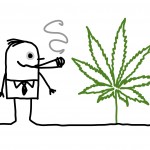
shutterstock_28365481

Delusional-like experiences (DLE) are quite common in the general population with a median prevalence of around 3.5% (ref 2). Studies show that these experiences often go hand-in-hand with other mental health conditions such as depression and anxiety, as well as other chronic physical disorders such as impairments in hearing and vision.  It is thought that DLEs may also provide a marker of vulnerability to suicide.

A number of studies about DLE have been published by researchers using data from the Australian National Survey of Mental Health and Wellbeing, which follows over 16 million Australian adults (aged 16-85).

8,773 people were included in this new cross-sectional analysis published in BMC Psychiatry, which looks at the relationship between tobacco, alcohol and cannabis and delusional-like experiences.

Participants in the study were interviewed to assess DLEs, mental health disorders and physical disorders and exposure to cannabis, tobacco and alcohol. People who responded positively to initial screening were asked more detailed questions to determine diagnoses. Those with schizophrenia were excluded.

Remaining participants were asked about their frequency of use, quantity of use, dependency and age of first use of cannabis, tobacco and alcohol.

Here’s what they found:

  • 8.4% of people in the study reported having at least one DLE
  • Delusional-like experiences are more common in:
    • People with cannabis dependence disorder
    • Daily tobacco smokers
    • People with very early onset alcohol use disorder
    • Those with alcohol dependence disorder

The conclusions from this research are limited, as they are with many other large scale population-based surveys, because it is not possible to tell which of the substances (tobacco, alcohol or cannabis) was the major predictor of DLEs. The study did not look in detail at the frequency or severity of the delusions, or the impact they had on the daily functioning of the individual.

The authors concluded:

While cannabis use disorders have been previously linked with DLE, our findings linking alcohol and tobacco use and DLE suggest that the influence of these substances on psychosis-related outcomes warrants closer scrutiny in longitudinal prospective studies.

Links

  1. Saha S, Scott JG, Varghese D, et al. The association between delusional-like experiences, and tobacco, alcohol or cannabis use: a nationwide population-based survey. BMC Psychiatry 2011;11:202.
  2. Saha S, Scott J, Varghese D, McGrath J (2011) The Association between Physical Health and Delusional-Like Experiences: A General Population Study. PLoS ONE 6(4): e18566. doi:10.1371/journal.pone.0018566
Share on Facebook Tweet this on Twitter Share on LinkedIn Share on Google+
Mark as read

Share this post:

Share on Facebook Tweet this on Twitter Share on LinkedIn Share on Google+ Share via email
Create a personal elf note about this blog
Tagged with: cannabis, delusional-like experiences, substance misuse, survey
Profile photo of Andre Tomlin

Andre Tomlin

André Tomlin is an Information Scientist with 20 years experience working in evidence-based healthcare. He's worked in the NHS, for Oxford University and since 2002 as Managing Director of Minervation Ltd, a consultancy company who do clever digital stuff for charities, universities and the public sector. Most recently André has been the driving force behind the Mental Elf and the National Elf Service; an innovative digital platform that helps professionals keep up to date with simple, clear and engaging summaries of evidence-based research. André is a Trustee at the Centre for Mental Health and an Honorary Research Fellow at University College London Division of Psychiatry. He lives in Bristol, surrounded by dogs, elflings and lots of woodland!

More posts - Website

Follow me here –

  • Twitter
  • Facebook
  • LinkedIn
  • Google Plus
Logging In...

Profile cancel

Sign in with Twitter Sign in with Facebook
or

Not published

FOLLOW the Mental Elf

  • Find us on Facebook
  • Follow us on Twitter
  • Follow us on Google+
  • Read our RSS feed
  • Find us on LinkedIn

Are You A Researcher?

Elf Help from the Mental Elf

We can help you share your findings too — find out how.

Recent Posts

  • Young people with mental health conditions use social media differently
  • All bets are off? Europe’s patchwork of gambling advertising laws
  • The diagnosis dilemma: can transdiagnostic approaches close the care gap for distressed youth?
  • The role of shame in hairpulling: understanding adolescents’ experiences
  • What works in domestic abuse and sexual violence services? Encouraging signals, fragmented evidence, and an urgent measurement problem

Recent Comments

  • Sameer Jauhar on CBT for depression in primary care: gold standard, or one option among many?
  • Dr Chris Wood on Painting prevention: How the arts promote health and tackle non-communicable diseases
  • Dr Chris Griffiths on Lifestyle interventions for severe mental illness: time to deliver

Free newsletter

Your monthly dose of mental health research, evidence, and impact.

    We respect your privacy. Unsubscribe at any time.
    Built with Kit

    Suggest a paper

    Do you have a suggestion for a paper? Then let us know.

    Click here

    Watch our 2 minute promo video!

    Visit our other Elf blogs

    • Commissioning
    • Dentistry
    • Education
    • Learning Disabilities
    • Mental Health
    • Musculoskeletal
    • Social Care

    Free trial

    Close
    Ready to get started? It's free!
    Sign up now No thanks Tell me more about the benefits of membership

    Free email newsletter

    FOLLOW the Mental Elf

    • Find us on Facebook
    • Follow us on Twitter
    • Follow us on Google+
    • Read our RSS feed
    • Find us on LinkedIn
    © 2026 National Elf Service is brought to you by Minervation Ltd
    Email: [email protected]
    • About
    • Evaluation
    • Site Map
    • Terms
    • Privacy
    • Cookies
    • Log In