



Despite the growth in psychosocial interventions for people with psychosis (specifically cognitive behavioural therapy and family interventions), antipsychotic medication remains the mainstay of treatment.
Antipsychotics can lead to reductions in positive psychotic symptoms (such as auditory hallucinations), are less helpful with “negative symptoms” such as lack of motivation and apathy, and come with a whole range of unpleasant, distressing and in some rare cases, life threatening side-effects.
Antipsychotic side-effects
The older “typical” antipsychotics (such as chlorpromazine) induce a Parkinson’s disease-like movement disorder which is highly distressing and visibly stigmatising. The newer “atypical” antipsychotics were hailed as marvel drugs that didn’t give movement disorders. However, what has emerged is that they are associated with significant weight gain and the epidemic of type 2 diabetes in people with psychotic illnesses. In addition, antipsychotics raise prolactin levels in the body that can cause sexual dysfunction. The benefits of taking antipsychotics must outweigh the negative aspects in order for someone to be motivated and engaged with continued use.

The roots of collaborative practice
The idea of collaborative practice in prescribing psychiatric medication has been around for many years and developed with the emergence of “compliance therapy” in the 1990s (Kemp and David, 1996), which recognised the importance of dialogue around medication beliefs and choices, and attempted to see prescribing decisions and medicines management as a collaborative process between prescriber and service user. This was developed into a manualised intervention that mental health practitioners could be trained to deliver, known as Medication Management (Gray, 2004), which had shared decision-making at it’s core.
Indeed, the Recovery movement in mental health is driving the need for all mental health practitioners to work in collaboration, developing a shared understanding of the issues, and working together to solve problems. This approach sees the person with the mental health problem as the “expert by experience” working with a mental health clinician who is the “expert by profession”.
In psychiatry, medicine adherence is still seen as fundamental to effective risk management, and when people refuse or stop taking their antipsychotics, the mental health care team may become concerned about relapse of symptoms and the risk of harm to self or others. Therefore, non-adherence can lead to service users being coerced into taking medication, via the Mental Health Act 2007, if there is such a risk of harm.
Shared decision making in antipsychotic prescribing
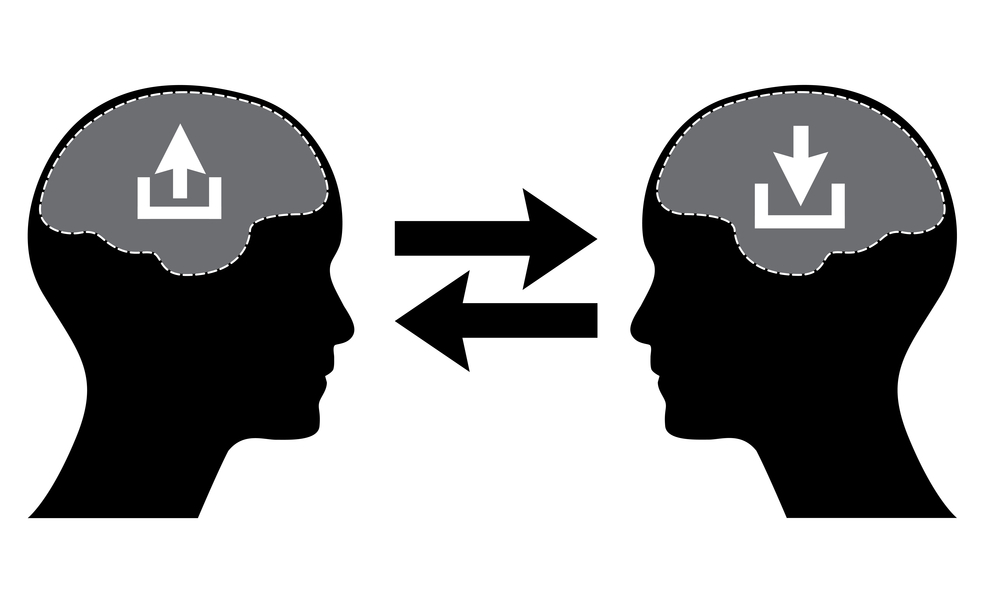
This study aimed to explore the attitudes of psychiatrists towards decision making in prescribing, and use this increased understanding of current practice and the barriers that may exist to inform and improve future practice.
Methods
This study chose a qualitative design to answer the question.
Sample
Psychiatrists were purposively sampled across an urban mental health service in the North of England. They attempted to obtain a group of participants that reflected a range of clinical backgrounds, and length of experience. The only particular inclusion criteria was that they were currently holding a post as a consultant psychiatrist (in working age mental health services).
Data collection
Individual interviews were conducted using a semi-structured schedule. This included clinical experience, factors influencing the choice of antipsychotics, involvement of the service user in decisions, role of other professionals in the decision and a request for an illustrative case example to reflect the principles.
Data analysis
Interviews were recorded and transcribed line by line, with sections of text highlighted as reflecting decision-making processes and involvement of service users. Text was coded according to their description of the process. Themes were identified according to the framework of Charles et al.
Results
- 27 participants responded and 1 refused to participate, leaving a total of 26 who completed the interviews
- Most participants felt that the decision making process was one that should be shared with service users
- Only one participant presented an alternative to medication as a treatment option for psychosis and it was noted that they were also a therapist
Three main themes came out of the analysis:
- Information sharing, including obtaining service user preferences (including side-effects)
- Deliberation
- Deciding on treatment options
What was interesting was that the psychiatrists expressed more immediate concern about inducing movement disorders by prescribing typical antipsychotics than the metabolic side effects of newer drugs, as the motor side effects were more visible and stigmatising. Yet the metabolic side effects (whilst less obvious and immediate) are more likely to result in significant ill-health for service users.
The process of deliberation was described as ‘straightforward’ if the service user was in agreement with the psychiatrist’s own opinion. The issue of ‘insight’ was raised and the psychiatrists suggested that disagreements about medication were partly down to a lack of insight and awareness into the service user’s own mental state. The psychiatrists also presented insight as a binary concept that you either have or not. However, insight is a difficult concept in psychiatry as what constitutes the reality of the situation is very subjective and depends on the person’s perspective. In shared decision making the aim should be to develop through dialogue, a mutually agreeable explanation of the problems experienced, and agreement on the way forward to help with these problems.
External factors affecting the clinicians decision and service user choice were also raised.

Summary
- Psychiatrists supported the idea of shared decision making
- However, psychiatrists felt that shared decision making was not always possible
- Antipsychotics were identified as the main treatment for psychosis
- Insight was highlighted as an important issue, with lack of insight seen as a barrier to shared decisions about medication
- A variety of external factors influenced clinicians, including other staff, acute symptoms, financial matters and risk
- External factors that impacted on service users were expectations, beliefs and the Mental Health Act
Implications for research
The role of insight in shared decision making warrants further exploration as the participants viewed it as a binary concept whereas insight has been shown to be a more fluid multi-dimensional concept.
The numerous barriers to shared decision making in day to day practice need further investigation.
Strengths and limitations
This study provides some insight into the views and practices of a key group of clinicians involved in treatment decisions, specifically around antipsychotics. It raises important insights into the paradigm in which they are operating and highlights areas for further investigation.
This was a self selecting group of consultant psychiatrists in one area and therefore may not be representative of psychiatrists in general.
The views of service users under their care were not obtained and so the study is only presenting one side of this issue.
Consultant psychiatrists are not the only professional group involved in making prescribing decisions and this study did not explore the role of more junior psychiatrists, pharmacists or mental health nurses in the decision making process, or in dialogues about choice of medication.
Conclusions
Psychiatrists agree that shared decision making is important, but in mental health this seems to be complicated by concerns regarding acute phases of illness, lack of insight and the service user’s ability to be able to be involved, and the view that psychiatrists need to step in and make decisions on their behalf in their best interests. It’s interesting that this approach is unique to mental health and that in other long term conditions, patient autonomy is not stripped away the minute someone disagrees with the treatment plan.
Perhaps with the increased empowerment of the service user movement and greater adoption of the recovery model, people with psychosis will be able to take more control. After all, antipsychotics have stigmatising, unpleasant and at times life threatening side effects. Surely we owe it to people to have more say in what they want to take, at what dose and for how long?

Links
Shepherd A. et al Consultant psychiatrists’ experiences of and attitudes towards shared decision making in antipsychotic prescribing, a qualitative study. BMC Psychiatry 2014, 14:127 doi:10.1186/1471-244X-14-127
Gray, R., Wykes, T., Edmonds, M., Leese, M. & Gournay, K. 2004. Effect of a medication management training package for nurses on clinical outcomes for patients with schizophrenia: Cluster randomised controlled trial. The British Journal of Psychiatry, 185, 157-162.
Kemp, R., David, A., and Hayward, P. (1996). Compliance Therapy: An Intervention Targeting Insight and Treatment Adherence in Psychotic Patients. Behavioural and Cognitive Psychotherapy, 24, pp 331-350. doi:10.1017/S135246580001523X.





Josie Dietrich
11 years agoTallaTrialogue
11 years agoBfd_Psych_Drugs
11 years agoTomStockmann
11 years agoBfd_Psych_Drugs
11 years agoborromeannot
11 years agoKat_Finch
11 years agoPsychVictim
11 years agoErika_Borkoles
11 years agotheMJA
11 years agoACSQHC
11 years agoMDX_MHandSW
11 years agogafolabi1
11 years agopash22
11 years agokeirshiels
11 years agoMsNaughtyCheese
11 years agocreateyourself9
11 years agoResNurse
11 years agoniadla
11 years agoSteph_J_Webster
11 years agoLizHughesDD
11 years agogordonmilson
11 years agoCPsyNetwork
11 years agoDrDominicTrepel
11 years agoSimonSRN
11 years agoangliacounsel
11 years ago121Therapy
11 years ago121Therapy
11 years agoBwoodHighland
11 years agovaleriemarriot1
11 years agoLizHughesDD
11 years agoGoldenMindful
11 years agoChrysMuirhead
11 years agoMental_Elf
11 years agoChrys Muirhead
11 years agoKochpro
11 years agoin2mh
11 years agobertbijypsilon
11 years agoRick4312
11 years agoHersteltalent
11 years agoVoicesUnLtd
11 years agoVoicesUnLtd
11 years agoloz57
11 years agoDGaztambide
11 years ago121Therapy
11 years ago121Therapy
11 years agoSarahMMcKay
11 years agoRhiannanKay
11 years agotalkJenny
11 years agoMrAlexNurse
11 years agoLisaMBrophy
11 years agohermitsholiday
11 years agoDrRichardGray
11 years agoRichard Gray
11 years agoSigNorway
11 years agoHildeFryland
11 years agolikahassiotis
11 years agoMHfightsback
11 years agochangingminds1
11 years agoHuwtube
11 years agoAudreyClark3
11 years agoeskbankbooks
11 years agoacgrundy
11 years agoMartynWalsh666
11 years agoKoldersh
11 years agozagbah
11 years agocorestudyucl
11 years agoxtraspirit
11 years agoBPDFFS
11 years agoBPDFFS
11 years agogwawrmai
11 years agoBipolarBlogger
11 years agoAddictionNotDis
11 years agoSteWeatherhead
11 years agoMental_Elf
11 years agoResilienceTraum
11 years agoDrGTalkingCures
11 years agoDonna Sheppard
11 years agoCampbellBurrell
11 years agoeskbankbooks
11 years agoeskbankbooks
11 years agoCastletonian
11 years agoRichard Gray
11 years agocochraneINJ
11 years agosandycann2
11 years agomurphyal
11 years agoBPSOfficial
11 years agoMental_Elf
11 years agokbellbarnett
11 years agoeip_nepft
11 years agoChanelbagsforme
11 years agoM_Wilberforce
11 years agoPsychVictim
11 years agoLiesvandenAssum
11 years agoMHfightsback
11 years agoMHfightsback
11 years agoAlisonF101
11 years agoSamhill121212
11 years agoKirsten Corden
11 years agoJoão Leal
11 years agoHampshire Healthcare Library Service
11 years agoPsychVictim
11 years agoD10Coff
11 years agoSectioned_
11 years agoTHEAGENTAPSLEY
11 years agoPsychVictim
11 years agoPsychVictim
11 years agoTHEAGENTAPSLEY
11 years agoBeyondMeds
11 years agoBeyondMeds
11 years agoBeyondMeds
11 years agoClinpsychLucy
11 years agocgblanch1
11 years agoBeyondMeds
11 years agoBeyondMeds
11 years agoClinpsychLucy
11 years agoDrGertya
11 years agoNigelPetra
11 years agotylergammon22
11 years agoB_McT
11 years agohelenlp
11 years agotdalton167
11 years agoAddictionNotDis
11 years agoMental_Elf
11 years agoSimonSRN
11 years agoAlexBThomson
11 years agorowrowxo
11 years agoBrightonRSS
11 years agoAndrea Brennan
11 years agoshrinking81
11 years agoBiggerPictureNM
11 years agoMattGrahamKent
11 years agoCMGCare_Support
11 years agosuzypuss
11 years agoxtraspirit
11 years agoDrennanGerard
11 years ago121Therapy
11 years agoAddictionNotDis
11 years agoJaneStreetPPAD
11 years agoMental_Elf
11 years agoStephSpillman
11 years agosuzypuss
11 years agoLizHughesDD
11 years ago3ElmsRoad
11 years agoDrennanGerard
11 years agoLizHughesDD
11 years agoemjohnston1
11 years agoMaryP58
11 years agoneil_me
11 years ago121Therapy
11 years ago