

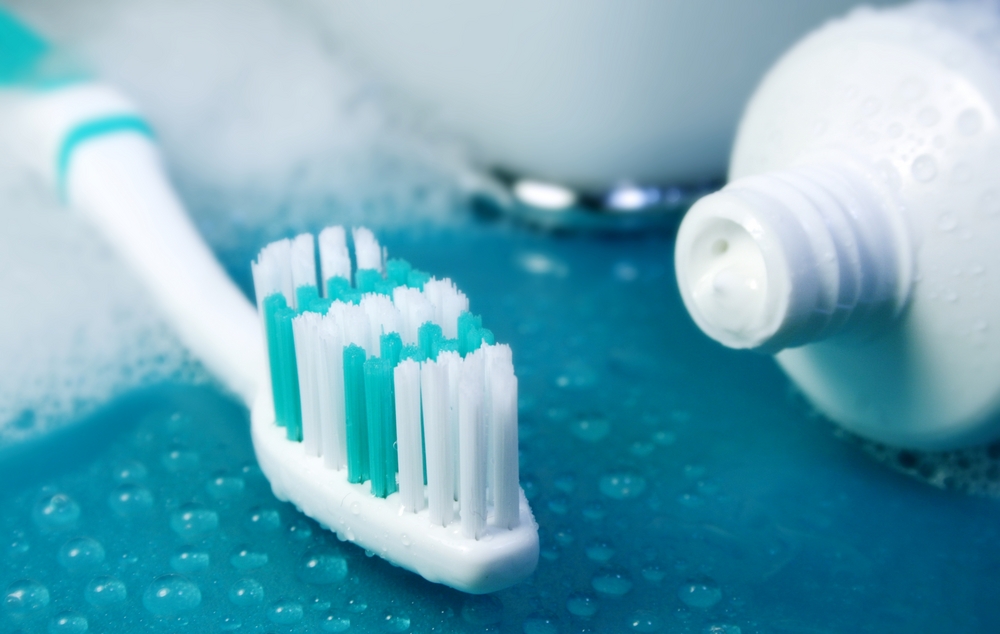

Despite improvements in oral health in recent decades, oral diseases remain a significant public health problem. Good oral hygiene is important for the prevention of oral disease yet significant sections of the population do not adopt good practice.
Psychosocial factors have been identified as important modifiable determinants of behaviour so the aim of this review was to assess the association between psychosocial factors and oral hygiene behaviour among people aged 9 to 19.
Methods
Searches were conducted in the PubMed, Embase, Ebsco/PsycInfo, Ebsco/CINAHL and ISI/Web of Science databases. Studies describing the association between psychosocial correlates and oral hygiene behaviour (varying from self-reports to clinical measurements, including plaque and bleeding scores) of healthy children with a mean age in the range of 9–19 were considered.
Study selection and data abstraction and assessment of study quality was carried out independently by two reviewers. A modified version of the Newcastle-Ottawa Scale (NOS)was used to assess study quality.
Results
- 31 data sets reported in 24 articles were included.
- 3 studies were prospective the remainder were cross-sectional.
- Studies were conducted in 17 different countries with the majority being carried out in Europe (15).
- 39% of the studies based their research on a behavioural theory, 61% of the studies did not refer to a specific theoretical framework.
- The theory of planned behaviour was the most commonly used framework (25%)
- 27 data sets (22 publications), addressing nine psychosocial correlates, were included in the meta-analysis.
- For both tooth brushing and oral hygiene behaviour, random effect models revealed significant weighted average correlation (r+) for the psychosocial factors: ‘intention’, ‘self-efficacy’, ‘attitude’ (not significant for tooth brushing), ‘social influence’, ‘coping planning’ and ‘action planning’ (r+ ranging from 0.18 to 0.57).
- Little or no associations were found for ‘locus of control’, ‘self-esteem’ and ‘sense of coherence’ (r+ ranges from 0.01 to 0.08).
Conclusions
The authors concluded
The data at present indicates that ‘self-efficacy’, ‘intention’, ‘social influences’, ‘coping planning’ and ‘action planning’ are potential psychosocial determinants of oral health behaviour. Future studies should consider a range of psychological factors that have not been studied, but have shown to be important psychosocial determinants of health behaviours, such as ‘self-determination’, ‘anticipated regret’, ‘action control’ and ‘self-identity’. Effectiveness of addressing these potential determinants to induce behaviour change should be further examined by intervention trials.
Comments
This review has been well -conducted and includes a good discussion, which highlights a number of potential limitations. The possibilities of gender differences may be present which could not be teased out from the available data. There is the possibility of publication bias, which could overestimate the size effects and there is lack of a validated assessment tool fro study quality could be a potential issues, although study quality was assessed using a modified version of the NOS scale. Finally almost of the included studies were cross-sectional in nature, which needs to be taken into account when considering the findings.
Links
Primary paper
Scheerman JF, van Loveren C, van Meijel B, Dusseldorp E, Wartewig E, Verrips GH, Ket JC, van Empelen P. Psychosocial correlates of oral hygiene behaviour in people aged 9 to 19 – a systematic review with meta-analysis. Community Dent Oral Epidemiol. 2016 Mar 8. doi: 10.1111/cdoe.12224. [Epub ahead of print] Review. PubMed PMID: 26952723.


flyerLPA
10 years agoPeriodoncia20
10 years agoTheDentalElf
10 years agoTheDentalElf
10 years agoIlona_Johnson
10 years agoTheDentalElf
10 years agoTheDentalElf
10 years agoplasmafire323
10 years agoMental_Elf
10 years agoTheDentalElf
10 years ago