

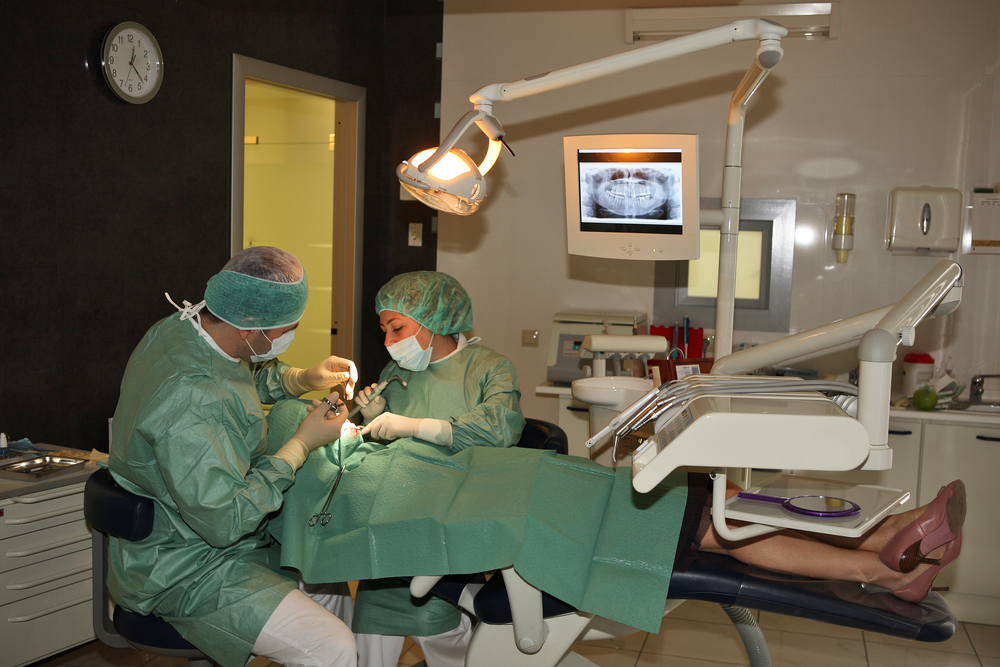

Protocols for the autotransplantation of teeth were established in the 1960s and while survival rates of 90% have been reported there are risks associated with the procedure.
The aim of this review was to assess the long-term survival rates of tooth autotransplantation.
Methods
Searches were conducted in the PubMed, Scopus, Web of Science, Lilacs, and The Cochrane Library databases. Controlled trials or prospective/retrospective studies reporting survival rate, pulp condition, mobility, presence of ankylosis, and root resorption of autotransplanted teeth with complete or incomplete root formation with a follow-up period of 6 years or greater were considered.
Two reviewers independently assessed studies for inclusion and abstracted data. Study quality was assessed using the Methodological Index for Non- Randomized Studies (MINORS). Survival rate, abnormal mobility, pulp condition and root resorption were evaluated and meta-analysis carried out.
Results
- 5 studies reported in 6 papers involving 274 teeth were included
- 5 studies were retrospective, 1 prospective
- All 5 studies were considered to have a medium risk of bias
- Survival rates (4 studies) ranged from 75.3% to 91% and with meta-analysis showing a mean survival rate of 81% (95%CI; 73.8 – 86.6%)
- The percentage ankylosis (4 studies) ranged from 4.2% to 18.2% and with meta-analysis showing a mean ankylosis rate of 4.8% (95%CI; 2.3 – 9.8%)
- Meta-analysis (3 studies) showed a mean resorption of 4% (95%CI; 1.8 – 8.5%)
Conclusions
The authors concluded
An excellent survival rate (81%), after a follow-up period of at least 6 years, was observed. Ankylosis (4%) and root resorption (4%) rates, despite their low values, influenced the prognosis of the autotransplanted teeth.
Comments
While a wide ranging search for relevant papers has been carried out only 5 small studies have been identified and all but one of the included studies are retrospective. The authors rightly identify this as a potential issue as there is an unknown level of attrition bias (drop out) in these studies. The authors also highlight the possibility of publication bias although with so few studies available the value in testing for this may be doubtful. Consequently while this review suggests an 81% survival rate at 6 years these findings should be viewed with caution until more higher quality prospective studies are available.
Links
Primary paper
Machado LA, do Nascimento RR, Ferreira DM, Mattos CT, Vilella OV. Long-term prognosis of tooth autotransplantation: a systematic review and meta-analysis. Int J Oral Maxillofac Surg. 2015 Dec 13. pii: S0901-5027(15)01423-X. doi: 10.1016/j.ijom.2015.11.010. [Epub ahead of print] Review. PubMed PMID: 26696138.
Other references
Dental Elf – 1st April 2015 – Intentionally replanted teeth: a possible treatment option?




Ccos Torino
10 years agoflyerLPA
10 years agoEvelyn Beiza
10 years agoPaul McLaughlin
10 years agoTheDentalElf
10 years agoTheDentalElf
10 years agoTheDentalElf
10 years agoNHFTNHSLibrary
10 years agoTheDentalElf
10 years agoDrMariamOrtho
10 years agoTheDentalElf
10 years agoChristine Park
10 years agoIman Bugaighis
10 years agoTooth autotransplantation: review suggests good survival but evidence limited | Dental News | Tooth Wise
10 years ago