



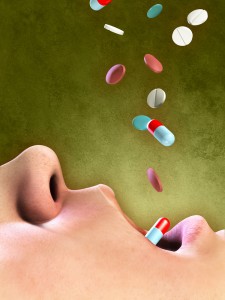
The fact that drug overdoses are the second largest cause of premature death from unintentional injuries in the US (for example, in 2010 there was 38,329 drug overdose deaths) is not a surprising statistic. What may surprise readers is that of these deaths 22,134 were attributed to prescription drugs. Indeed, almost one and a half million emergency department admissions each year are due to prescription drug abuse.
Overall, it estimated that 16 million Americans (aged 12+) have used at least one type of prescription drug for non-medicinal reasons in the previous year. Pain killers (largely opiates) are the most commonly abused prescription drug with 5.5 million US residents using them at least monthly. Sedatives and tranquilizers are the next most common (2.6 million) followed by stimulants (e.g. Adderall and Ritalin) as the third most common (1.1 million).
Tackling prescription drug abuse represents a singular challenge. Prescription drugs are vital for millions of people if they wish to lead happy and productive lives. Any policy aiming to curtail abuse of such drugs must not impact on those using drugs for medicinal purposes (not something that needs to be considered in policies aimed at reducing non-prescription drug abuse). Furthermore, any policy must be mindful that there are two pathways to prescription drug abuse:
- Abusing the drug that has been prescribed to oneself
- Buying drugs prescribed to another
The current document attempts to create a coherent policy for dealing with this challenge, drawing upon the academic literature and the experiences of health professionals.
Methods
The American College of Physicians (ACP) Health and Public Policy Committee developed this series of recommendations due to the significant effect prescription drug abuse is having on US public health. The policy position is based upon a literature review as well as input from members of the college and non-member experts. The final recommendations were reviewed and approved by the colleges governing board.
The challenge for physicians and public policymakers is how to deter prescription drug abuse while maintaining patient access to appropriate treatment
Results
The authors advocate that a coordinated, centralized policy is the only solution to prescription drug abuse. I have categorised recommendations into three broad categories; legislation, education and treatment:
Legislation
- The establishment of a national prescription drug monitoring program and, until this is formalised, closer checking of cross-state prescription drug monitoring programs
- The nationwide adoption of a coordinated electronic prescription program
- Identification of those at risk of prescription drug abuse (through Medicare, private health insurance, law enforcement authorities) with plans to subject them to drug testing
Education
- As with the abuse of illegal drugs, the ACP supports educational programs aimed at prevention
- Funding continued research into prescription drug addiction
- Physicians need to be educated on appropriate use of prescription drugs, and their abuse potential
Treatment
- Establishment of evidence-based, non-binding guidelines for recommended dosage and duration of therapy for patients
- Doctors should consider other possible treatments for pain management
- The adoption of treatment agreements between the doctor and patient in the treatment of pain
The ACP also notes that all these requirements should not result in significant increases in the administrative burdens placed on health professionals.

Conclusions
This review highlights not only the extent to which prescription drug abuse is a problem but also just what a challenge it represents to health professionals in the US. The recommendations are walking on a tight-rope between being punitive to abusers and being punitive to genuine patients.
Overall enactment of these policies certainly would help to mitigate prescription drug abuse. However central to the whole argument is that all of these recommendations must be coordinated, without all of the proposals being enacted together any gains may be minimal. Indeed, the more fragmented nature of the health system in the US means it may be hard to get the degree of coordination required.
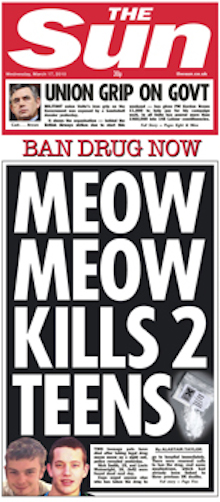
But what about prescription drug abuse in the UK? Statistics indicate it represents a problem with Benzodiazepines (284), Tramadol (175) and Diazepam (207) all causing a significant number of deaths each year. It seems strange to the Elves that we never hear of these deaths while one case of an individual dying from “new” psychoactive drugs (e.g. mephedrone) results in a deluge of legislation and press coverage while the issue of prescription drug abuse seems largely ignored.
Indeed, the recent Home Affairs Committee report on prescription drug abuse acknowledges that:
A year on from the publication of our previous report, which highlighted the lack of knowledge on this subject, there have been no improvements in the understanding or the collection of data around the issue of dependence on prescription drugs.
In response, the BMA have embarked on a program investigating the prevalence of this problem in the UK, which will surely make an interesting future blog.
Links
Kirschner N, Ginsburg J, Sulmasy LS (2014) Prescription Drug Abuse: Executive Summary of a Policy Position Paper From the American College of Physicians. Annals of Internal Medicine 160: 198-200. doi:10.7326/M13-2209
Jones CM, Mack KA, Paulozzi LJ. Pharmaceutical Overdose Deaths, United States, 2010. JAMA. 2013;309(7):657-659. doi:10.1001/jama.2013.272.
Drugs: new psychoactive substances and prescription drugs (PDF). House of Commons Home Affairs Committee, Twelfth Report of Session 2013–14, HC819, Dec 2013.





DukeAddictions
12 years agoTheNewImpostor
12 years agolillieputian
12 years agoajj_1988
12 years agoNicola Davies
12 years agoPatricia Caldwell Singleton
12 years agochristobartley
12 years agoCleverestcookie
12 years agopash22
12 years agohjolko
12 years agoRosaAvino
12 years agomaiasz
12 years agoCoyneoftheRealm
12 years agomaiasz
12 years agomaiasz
12 years agomaiasz
12 years agoCoyneoftheRealm
12 years agoiVivekMisra
12 years agodavid_colquhoun
12 years agoserpentgrr
12 years agoMental_Elf
12 years agoMUNReporter
12 years agoMental_Elf
12 years agoMental_Elf
12 years agoIain_caldwell
12 years agobabe471119
12 years agopsynthesisblog
12 years agoscharrlib
12 years agoBristolAdvocate
12 years ago121Therapy
12 years agoaddiction_genes
12 years agoMESchlagel
12 years agoMESchlagel
12 years agoMental_Elf
12 years agolypftlib
12 years agoB_McT
12 years agoBPSOfficial
12 years agoMental_Elf
12 years agoJen_ICCR
12 years agoBwoodHighland
12 years agoMental_Elf
12 years agoMegEliz_
12 years agoMental_Elf
12 years agoMental_Elf
12 years agoMustard__Relish
12 years agoLeona Allan
12 years agoJayDuckworth
12 years agoJayDuckworth
12 years agofield_matt
12 years agomariesander3
12 years ago121Therapy
12 years agoMental_Elf
12 years agoChristiansenLiv
12 years agoaghoury79
12 years agoNoah Wiles Sweat
12 years agoThe Mental Elf
12 years agotadhg50
12 years agoBreaking_Free_
12 years agoianhamiltondd
12 years agoaghoury79
12 years agotadhg50
12 years ago