
The Mental Elf

Population screening for dementia

With fewer than half of people living with dementia currently receiving a diagnosis, services still have a long way to go to ensure that as many people as possible receive a formal, speedy diagnosis, in order to involve them in treatment and support options.

Population screening on apparently healthy individuals has been suggested to be a possible mechanism whereby dementia can be detected early in those at risk. In January of this year, the UK National Screening Committee upheld its recommendation against screening everyone aged 65 and over for dementia (http://www.screening.nhs.uk/dementia). This is at least in part due to the complexity of the diagnosis and inaccurate screening tools leading to a high risk of both false positive and negative diagnoses. There was also discussion over whether there was enough evidence for the benefits of treatment over the potential risk of harm by screening.

The Committee noted that if screening was to be used widely, the tests would have to be ‘acceptable’ to the population. Therefore, in the current systematic review by Martin et al (2015), the primary outcome was to look at perceptions, views, attitudes and experiences of patients, the general public, carers and professionals to screening for dementia.

Dementia screening is not recommended by the UK National Screening Committee.

Methods

Martin and colleagues conducted an electronic search using terms related to dementia, screening, and attitudes and preferences. It covered all types of dementia, had no time or language limits, included all study designs, and was applied to 15 databases. Genetic screening papers were excluded.

Results

Overall, 29 studies were included in the review. These were predominantly surveys (18) but included a number of intervention and focus groups.

Attitudes and preferences

7 themes were identified in relation to patients, carers and the general population:

  1. Existing health state: perhaps unsurprisingly, one paper indicated that being healthier was associated with less willingness for screening, and one that having some cognitive difficulty was associated with more willingness for screening.
  2. Lifestyle and life view: four papers noted evidence of ‘stigma’ attached to screening for memory problems. However, five suggested some respondents to be pleased to have their memory evaluated.
  3. Awareness of dementia: there were issues highlighted in three papers around a low level of awareness post-test regarding the screen and the reasons for, or outcomes of the screen.
  4. Role of clinician: in two studies, a theme emerged that highlighted that the relationship with the clinician is key to the acceptance of screening and any potential diagnoses.
  5. Communication: one paper indicated that participants struggle to recollect or understand the results they receive post-testing and feel stressed or confused.
  6. Benefit: six papers highlighted that caregivers and the general public believe there are benefits to diagnosis in terms of treatment or financial support.
  7. Role of family: one of the strongest findings was that the family play an important role in supporting access and prompting screening.

10 themes were identified in relation to healthcare professional (HCPs) attitudes

  1. Patient’s existing health and co-morbidities: four studies showed that professionals consider physical illness to be of high priority and report focusing on other more ‘treatable’ illnesses in individuals who they feel are too unwell to proceed with screening.
  2. Awareness of dementia: two studies highlighted that symptom recognition, attitude and professional constraints in practice tend to determine whether physicians conduct a full assessment.
  3. Acceptability: four studies found that HCPs are often undecided or negative when asked if cognitive screening would lead to better outcomes. Two studies found acceptability levels for screening to be high in staff members.
  4. Duration of patient contact: mixed findings indicated that some clinicians were apprehensive to screen those with whom they had a long relationship, but also about screening those they had no relationship with.
  5. Screening tool: three studies highlighted a lack of acceptable and accurate screening tools, one of which said screening inaccuracy is the most important reason for not undertaking routine screening.
  6. Cost: there are practical concerns and costs of integrating screening into practice.
  7. Disclosure: a lack of confidence in communicating the outcome and a need for ‘timely’ disclosure (when functional needs require) was highlighted, because of a lack of knowledge with regards to prognosis, poor treatment options, and lack of care pathways.
  8. Time: a lack of time to screen was highlighted in three studies.
  9. Treatment and prognosis: there appears to be a perception that nothing can be done to help the person (four studies) given limited effectiveness of current treatments.
  10. Stigma: clinicians in three studies recognised the stigma associated with dementia, due to lack of treatment to offer and lack of awareness in the general population.

The evidence found by this review is of low quality and the large scale studies that do exist are not representative of the UK.

Strengths and limitations

  • The extensive search and inclusion of multiple data sources means that it is likely that the majority of published research will have been captured here
  • However, there were a relatively small number of papers and a lack of large-scale mixed-methods studies available, creating limitations on the generalisability of the findings
  • Interestingly, there were also no studies of the general population’s attitudes in the UK so it is harder to infer what this might mean locally where there has been a movement towards increasing public awareness via projects such as the Dementia Friends initiative.

Conclusion

The authors concluded:

Attitudes and preferences are complex and multi-factorial and our findings suggest that population screening for dementia may be acceptable neither to the general public nor to health care professionals.

They also noted:

Policy makers should be cautious about the adoption of population screening for dementia without evidence and careful evaluation of benefits or risks.

Questions around screening preference and choice are complex and the evidence-base does not currently answer them reliably.

Discussion

This systematic review highlights the challenges currently facing services: Everyone with dementia has the right to know about it, and to do something about it, but this must be balanced with sensitive clinical judgment and diagnostic processes.

Evidently there are areas where efforts need to be focused in order to improve timely detection of dementia. For patients, this review highlights the importance of awareness and communication, and the need for education and post-screening feedback. Working within a Memory Service, I have found the process of providing post-assessment feedback to be invaluable to patients, so that they not only feel ‘assessed’ but also listened to, well-informed and supported with regards to the outcome. The earlier in the dementia process this can be provided, the more beneficial it is likely to be to.

From a professional perspective, a lack of confidence in the system and the treatment options seems to be the challenge to overcome. Perhaps improving access to specialist Memory Services might bridge the gap and support primary HCPs to be proactive when it comes to diagnosis. As a clinician, I feel it is important to recognise not only ‘treatment’ options in terms of pharmacological management, but also in increasing access to psychological support and practical advice for both patient and carer. Additionally, regular screening may reduce the risk of escalating crisis situations which place extra pressure and cost back onto the same HCPs who have expressed feeling apprehensive with regards to screening, diagnosing and treating these very patients.
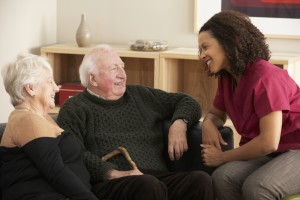
Post-assessment feedback is invaluable to help patients feel well-informed and supported.

Links

Primary paper

Martin S. et al (2015) Attitudes and preferences towards screening for dementia: a systematic review of the literatureBMC Geriatrics 2015, 15:66  doi:10.1186/s12877-015-0064-6

Add a comment
  • dopaminergic13

    dopaminergic13

    10 years ago
    Population screening for dementia http://t.co/4YczutjSne
  • felly500

    felly500

    10 years ago
    "Population screening for dementia" http://t.co/5sMzyAXALn
  • SomaPsy_Nant

    SomaPsy_Nant

    10 years ago
    Fewer than half of people living with #dementia currently receive a diagnosis, so is population screening an option? http://t.co/M9KJ5tk7tn
  • EcpdCarolyn

    EcpdCarolyn

    10 years ago
    RT @Mental_Elf: Dementia screening is not recommended by the UK National Screening Committee @PHE_Screening http://t.co/zDNqeGFKyf
  • Nicola Davies

    Nicola Davies

    10 years ago
    Nicola Davies liked this on Facebook.
  • dmctools

    dmctools

    10 years ago
    @Mental_Elf thanks for sharing The Mental Elf, have a great Tuesday :)
  • Mental_Elf

    Mental_Elf

    10 years ago
    Don't miss: Population screening for dementia http://t.co/zDNqeGFKyf #EBP
  • CizCG

    CizCG

    10 years ago
    RT @AllenFrancesMD: Wide screening for #Dementia a terrible idea because it's inaccurate & no useful treatment http://t.co/XMNqRTsnQt @Men…
  • SJaneBernal

    SJaneBernal

    10 years ago
    RT @Mental_Elf: New SR: "Policy makers should be cautious about the adoption of population screening for dementia" http://t.co/zDNqeGFKyf
  • OTBeth131

    OTBeth131

    10 years ago
    RT @Mental_Elf: Dementia screening is not recommended by the UK National Screening Committee @PHE_Screening http://t.co/zDNqeGFKyf
  • LiaisonLawson

    LiaisonLawson

    10 years ago
    RT @Mental_Elf: New SR: "Policy makers should be cautious about the adoption of population screening for dementia" http://t.co/zDNqeGFKyf
  • FaiisaOmar

    FaiisaOmar

    10 years ago
    RT @Mental_Elf: New SR: "Policy makers should be cautious about the adoption of population screening for dementia" http://t.co/zDNqeGFKyf
  • Mental_Elf

    Mental_Elf

    10 years ago
    New SR: "Policy makers should be cautious about the adoption of population screening for dementia" http://t.co/zDNqeGFKyf
  • GeraldineF_HSCB

    GeraldineF_HSCB

    10 years ago
    RT @Mental_Elf: Fewer than half of people living with dementia currently receive a diagnosis, so is population screening an option? http://…
  • Jondelman

    Jondelman

    10 years ago
    RT @AllenFrancesMD: Wide screening for #Dementia a terrible idea because it's inaccurate & no useful treatment http://t.co/XMNqRTsnQt @Men…
  • Chrissox

    Chrissox

    10 years ago
    RT @AllenFrancesMD: Wide screening for #Dementia a terrible idea because it's inaccurate & no useful treatment http://t.co/XMNqRTsnQt @Men…
  • June Dunnett

    June Dunnett

    10 years ago
    June Dunnett liked this on Facebook.
  • Intipton

    Intipton

    10 years ago
    RT @Mental_Elf: Fewer than half of people living with dementia currently receive a diagnosis, so is population screening an option? http://…
  • mgtuc

    mgtuc

    10 years ago
    RT @AllenFrancesMD: Wide screening for #Dementia a terrible idea because it's inaccurate & no useful treatment http://t.co/XMNqRTsnQt @Men…
  • Mental_Elf

    Mental_Elf

    10 years ago
    RT @AllenFrancesMD: Wide screening for #Dementia a terrible idea because it's inaccurate & no useful treatment http://t.co/XMNqRTsnQt @Men…
  • DeenaPsychiatry

    DeenaPsychiatry

    10 years ago
    RT @AllenFrancesMD: Wide screening for #Dementia a terrible idea because it's inaccurate & no useful treatment http://t.co/XMNqRTsnQt @Men…
  • senorwatanabe

    senorwatanabe

    10 years ago
    @AllenFrancesMD Healthcare profs-glitch. Why would lack (perceived or real) of effective treatment be a reason? You still care. @Mental_Elf
  • AllenFrancesMD

    AllenFrancesMD

    10 years ago
    Wide screening for #Dementia a terrible idea because it's inaccurate & no useful treatment http://t.co/XMNqRTsnQt @Mental_Elf
  • RajanPoornima

    RajanPoornima

    10 years ago
    RT @Mental_Elf: Population screening for dementia http://t.co/zDNqeGFKyf
  • anniebradford

    anniebradford

    10 years ago
    @Mental_Elf Data suggest screening for #dementia is not sufficiently accurate nor acceptable to many pts, e.g.: http://t.co/h6qrMVWCpo
  • samirshah

    samirshah

    10 years ago
    RT @Mental_Elf: Dementia screening is not recommended by the UK National Screening Committee @PHE_Screening http://t.co/zDNqeGFKyf
  • HwMiddlesbrough

    HwMiddlesbrough

    10 years ago
    RT @Mental_Elf: Dementia screening is not recommended by the UK National Screening Committee @PHE_Screening http://t.co/zDNqeGFKyf
  • eve_potts

    eve_potts

    10 years ago
    RT @Mental_Elf: Fewer than half of people living with dementia currently receive a diagnosis, so is population screening an option? http://…
  • AdvocacyGuy

    AdvocacyGuy

    10 years ago
    RT @Mental_Elf: Fewer than half of people living with dementia currently receive a diagnosis, so is population screening an option? http://…
  • HWHertfordshire

    HWHertfordshire

    10 years ago
    RT @Mental_Elf: Fewer than half of people living with dementia currently receive a diagnosis, so is population screening an option? http://…
  • Victoria Day

    Victoria Day

    10 years ago
    Victoria Day liked this on Facebook.
  • christoclifford

    christoclifford

    10 years ago
    RT @Mental_Elf: Fewer than half of people living with dementia currently receive a diagnosis, so is population screening an option? http://…
  • Mental_Elf

    Mental_Elf

    10 years ago
    Fewer than half of people living with dementia currently receive a diagnosis, so is population screening an option? http://t.co/zDNqeGFKyf
  • CizCG

    CizCG

    10 years ago
    RT @Mental_Elf: Dementia screening is not recommended by the UK National Screening Committee @PHE_Screening http://t.co/zDNqeGFKyf
  • Mental_Elf

    Mental_Elf

    10 years ago
    @cosby_laura @KayFSheldon @PHE_Screening The answer to THAT question is in @Ros_nelson29's blog http://t.co/zDNqeGFKyf #dementia #screening
  • mhresources

    mhresources

    10 years ago
    RT @Mental_Elf: Population screening for dementia http://t.co/zDNqeGFKyf
  • SCIE_sco

    SCIE_sco

    10 years ago
    RT @Mental_Elf: Dementia screening is not recommended by the UK National Screening Committee @PHE_Screening http://t.co/zDNqeGFKyf
  • MrsEmmaWoolley

    MrsEmmaWoolley

    10 years ago
    RT @Mental_Elf: Dementia screening is not recommended by the UK National Screening Committee @PHE_Screening http://t.co/zDNqeGFKyf
  • smallwoodlib

    smallwoodlib

    10 years ago
    RT @Mental_Elf: Dementia screening is not recommended by the UK National Screening Committee @PHE_Screening http://t.co/zDNqeGFKyf
  • KayFSheldon

    KayFSheldon

    10 years ago
    @cosby_laura @Mental_Elf @PHE_Screening Benefits of mass screening unclear, I think.
  • cosby_laura

    cosby_laura

    10 years ago
    @Mental_Elf @KayFSheldon @PHE_Screening The question should be why not!
  • FlaneurModern

    FlaneurModern

    10 years ago
    Population screening for dementia - not ready for prime time. But needs to. https://t.co/GXaTEaXujh via @sharethis
  • TweetLRT

    TweetLRT

    10 years ago
    RT @Mental_Elf: Dementia screening is not recommended by the UK National Screening Committee @PHE_Screening http://t.co/zDNqeGFKyf
  • NVTweeting

    NVTweeting

    10 years ago
    RT @Mental_Elf: Dementia screening is not recommended by the UK National Screening Committee @PHE_Screening http://t.co/zDNqeGFKyf
  • HealthUKTD

    HealthUKTD

    10 years ago
    RT @Mental_Elf: Dementia screening is not recommended by the UK National Screening Committee @PHE_Screening http://t.co/zDNqeGFKyf
  • JenKenward

    JenKenward

    10 years ago
    RT @Mental_Elf: Dementia screening is not recommended by the UK National Screening Committee @PHE_Screening http://t.co/zDNqeGFKyf
  • KayFSheldon

    KayFSheldon

    10 years ago
    RT @Mental_Elf: Dementia screening is not recommended by the UK National Screening Committee @PHE_Screening http://t.co/zDNqeGFKyf
  • Mental_Elf

    Mental_Elf

    10 years ago
    Dementia screening is not recommended by the UK National Screening Committee @PHE_Screening http://t.co/zDNqeGFKyf
  • DHCFTLibrary

    DHCFTLibrary

    10 years ago
    RT @Mental_Elf: Population screening for dementia http://t.co/zDNqeGFKyf
  • DementiaJournal

    DementiaJournal

    10 years ago
    Population screening for dementia discussed by @Ros_nelson29 for @Mental_Elf: http://t.co/cccEQHJ8gE http://t.co/zxeQgGjC1W
  • CPAAssociation

    CPAAssociation

    10 years ago
    RT @Mental_Elf: Today @Ros_nelson29 on the attitudes of patients, carers and health care professionals towards #dementia screening http://t…
  • SCIE_sco

    SCIE_sco

    10 years ago
    RT @Mental_Elf: Population screening for dementia http://t.co/zDNqeGFKyf
  • Mental_Elf

    Mental_Elf

    10 years ago
    Today @Ros_nelson29 on the attitudes of patients, carers and health care professionals towards #dementia screening http://t.co/zDNqeGFKyf
  • felly500

    felly500

    10 years ago
    dementia screening. Attitudes & preferences= complex. pop screen dementia not acceptable public or clinicians http://t.co/5sMzyAXALn
  • MyID_Research

    MyID_Research

    10 years ago
    RT Is population dementia screening acceptable to public or health professionals? Not currently http://t.co/XIlWw25D70 publichealth scre
  • jannvisc

    jannvisc

    10 years ago
    RT @iVivekMisra: Population screening for dementia http://t.co/X3VSuQc7wA #MentalHealth http://t.co/zEvnhFnwzM
  • wordsworkout

    wordsworkout

    10 years ago
    RT @iVivekMisra: Population screening for dementia http://t.co/X3VSuQc7wA #MentalHealth http://t.co/zEvnhFnwzM
  • PowysTHBLibrary

    PowysTHBLibrary

    10 years ago
    RT @Mental_Elf: Population screening for dementia http://t.co/zDNqeGFKyf
  • wi_john

    wi_john

    10 years ago
    RT @Mental_Elf: Population screening for dementia http://t.co/zDNqeGFKyf
  • iVivekMisra

    iVivekMisra

    10 years ago
    Population screening for dementia http://t.co/X3VSuQc7wA #MentalHealth http://t.co/zEvnhFnwzM
  • carotomes

    carotomes

    10 years ago
    Is population dementia screening acceptable to public or health professionals? Not currently http://t.co/voc7AwDEuw #publichealth #screening