

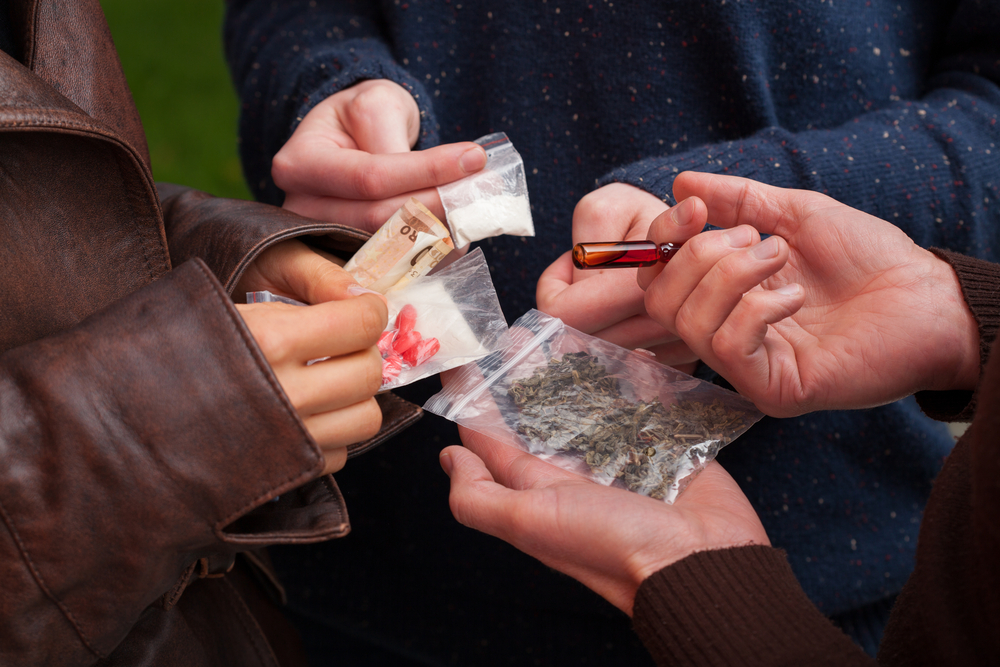

The National Institute for Health and Care Excellence (NICE) have recently searched for any new evidence that may be relevant to a public health guideline published in 2007; ‘Interventions to reduce substance misuse among vulnerable young people’. In this blog I summarise the new evidence that has emerged and highlight whether or not it is likely to affect the recommendations from the original guideline.
Methods
The update used the same search strategy as used in the original guideline. Although 6,008 records were identified through the initial search, the intensive screening process left just 16 new research papers that were deemed eligible for inclusion in the update. Most of these contribute to one of the existing subsections of the original guideline, although 5 studies are highlighted in areas not currently covered.
Results
Identifying and supporting young people who are misusing or at risk of misusing substances
- Carney and Myers (2012) conducted a systematic review and meta-analysis of interventions for young people (n=1895) who use substances and are at risk of delinquency or crime. They found that motivational interviewing reduced substance use in young people at risk of delinquency
- Impact: Unlikely to affect current recommendations due to limitations of study
- Conrod et al (2010) published an RCT of a personality-targeted group intervention to reduce substance use (n=732). The intervention reduced the frequency of drug use and the number of drugs used amongst young people who may have a psychological tendency towards substance use
- Impact: Unlikely to affect current recommendations due to limitations of study
- Broning et al (2012) conducted a systematic review of preventative interventions for young people with a parental substance user. The results were unclear and the authors recommended that more research is needed
- Impact: Unlikely to affect current recommendations due to unclear evidence
- Salvo et al (2012) conducted a systematic review of interventions to prevent substance use amongst young people with mental health problems. The results suggest that some preventative interventions reduced substance use, but that outcomes varied by type of drug and many results were non-significant
- Impact: Unlikely to affect current recommendations due to inconclusive evidence

Family based support for young people aged 11-16 years at high risk of substance use
- Pantin et al (2009) and Prado et al (2012) both conducted RCTs of a specific family-based intervention in Hispanic young people (n=213 and n=242). Pantin et al (2009) found that young people in both the intervention and control groups increased their substance use, although the increase was significantly lower for those who received the intervention. Prado et al (2012) found that those in the intervention group significantly reduced their illicit drug, but not alcohol use in comparison to those in a control group
- Impact: These studies may support the delivery of a family-based intervention over a 6 month period; and so may have a potential impact on the original NICE guideline which recommends that family-based programmes be delivered over at least 2 years.
- Liddle et al (2009) published a 1-year follow up of an RCT of multidimensional family therapy compared to group therapy with peers (n=83). Although young people in both groups reduced their substance use, those who received family therapy reduced their substance use quicker and were more likely to be abstinent
- Impact: Unlikely to affect current recommendations due to small sample size and generalizability issues
- Milburn et al (2012) conducted an RCT of a family intervention for young people who were newly homeless (n=151). The intervention was associated with greater reductions in alcohol use and illicit drug use for substances except from cannabis, which increased amongst those who received the intervention
- Impact: Unlikely to affect current recommendations due to contradictory results and generalizability issues
- Kim and Leve (2011) evaluated an intervention for young girls (n=100) who were in foster care. They found that the intervention significantly reduced tobacco and cannabis use, but had no impact on alcohol use, delinquent behaviour or association with delinquent peers
- Impact: Unlikely to affect current recommendations
Motivational interviewing for young people aged under 25 who are problematic substance users
- In an RCT of a motivational interviewing intervention for young people who were HIV positive (n=143), Murphy et al (2012) found that motivational interviewing reduced past week alcohol use amongst young people with HIV, but had no effect on past week cannabis use
- Impact: Unlikely to affect current recommendations due to limitations and generalizability issues
- Stein et al (2011) compared motivational interviewing with relaxation training for young people in a juvenile correctional facility (n=162). Motivational interviewing was associated with significantly lower alcohol use compared to relaxation therapy
- Impact: The evidence is consistent with the current recommendations for motivational interviewing
The evidence update also includes 5 publications in areas that are not currently covered by the guideline. These include:
- The effect of community prenatal nursing on the young persons substance use (Kitzman et al 2010)
- Interventions for young people at risk of dropping out of education (Hallfors et al 2006)
- Interventions for young people who are homeless (Altena et al 2010)
- Peer support to reduce substance use (Valente et al 2007)
- General youth development programmes for young people at risk of substance use (Wiggins et al 2009)
Although the authors conducting the update felt that four of these are unlikely to impact on the guideline, they highlighted the potential impact of the study by Kitzman et al (2010), who found that intensive community nursing support for mothers during pregnancy and infancy years may result in lower tobacco, alcohol and cannabis use when the child is 12 years old.

Conclusion
The update presents several new studies since the guideline was published in 2007. Whilst these studies may contribute to the knowledge base and be of interest to many, the majority are unlikely to have any impact on the recommendations in the guideline.
The update does however provide continued support for the use of motivational interviewing for young people who misuse substances. It also suggests that the duration of family-based intervention necessary to impact on substance use may be shorter than previously thought, and this may possibly be given some consideration if the guideline is reviewed.
The update also highlighted key areas where there are clear gaps in the evidence base, for example in relation to preventative interventions for those with a substance using parent or guardian, and for those with mental health problems. This update may therefore provide some direction for the evidence that is needed.
Links
Interventions to reduce substance misuse among vulnerable young people: a summary of selected new evidence relevant to NICE public health guidance 4 ‘Interventions to reduce substance misuse among vulnerable young people’ (PDF). NICE Evidence Update 56, April 2014.
Carney T, Myers B (2012) Effectiveness of early interventions for substance-using adolescents: findings from a systematic review and meta-analysis. Substance Abuse Treatment, Prevention and Policy 7: 25
Conrod PJ, Castellanos-Ryan N, Strang J (2010) Brief, personality-targeted coping skills interventions and survival as a non-drug user over a 2-year period during adolescence. Archives of General Psychiatry 67: 85–93
Bröning S, Kumpfer K, Kruse K et al. (2012) Selective prevention programs for children from substance-affected families: a comprehensive systematic review. Substance Abuse Treatment, Prevention, and Policy 7: 23
Salvo N, Bennett K, Cheung A et al. (2012) Prevention of substance use in children/adolescents with mental disorders: a systematic review. Journal of the Canadian Academy of Child and Adolescent Psychiatry 21: 245–52
Pantin H, Prado G, Lopez B et al. (2009) A randomized controlled trial of Familias Unidas for Hispanic adolescents with behavior problems. Psychosomatic Medicine 71: 987–95 [Pubmed Abstract]
Prado G, Cordova D, Huang S et al. (2012) The efficacy of Familias Unidas on drug and alcohol outcomes for Hispanic delinquent youth: main effects and interaction effects by parental stress and social support. Drug and Alcohol Dependence 125 (Suppl. 1): S18–25
Liddle HA, Rowe CL, Dakof GA et al. (2009) Multidimensional family therapy for young adolescent substance abuse: twelve-month outcomes of a randomized controlled trial. Journal of Consulting and Clinical Psychology 77: 12–25 [Pubmed Abstract]
Milburn NG, Iribarren FJ, Rice E et al. (2012) A family intervention to reduce sexual risk behaviour, substance use, and delinquency among newly homeless youth. Journal of Adolescent Health 50: 358–64
Kim HK, Leve LD (2011) Substance use and delinquency among middle school girls in foster care: a three-year follow-up of a randomized controlled trial. Journal of Consulting and Clinical Psychology 79: 740–50
Murphy DA, Chen X, Naar-King S et al. (2012) Alcohol and marijuana use outcomes in the Healthy Choices motivational interviewing intervention for HIV-positive youth. AIDS Patient Care and STDs 26: 95–100
Stein LA, Lebeau R, Colby SM et al. (2011) Motivational interviewing for incarcerated adolescents: effects of depressive symptoms on reducing alcohol and marijuana use after release. Journal of Studies on Alcohol and Drugs 72: 497–506
Kitzman HJ, Olds DL, Cole RE et al. (2010) Enduring effects of prenatal and infancy home visiting by nurses on children. Follow-up of a randomized trial among children at age 12 years. Archives of Pediatric and Adolescent Medicine 164: 412–8
Hallfors D, Cho H, Sanchez V et al. (2006) Efficacy vs effectiveness trial results of an indicated “model” substance abuse program: implications for public health. American Journal of Public Health 96: 2254–9
Altena AM, Brilleslijper-Kater SN, Wolf JR (2010) Effective interventions for homeless youth: a systematic review. American Journal of Preventive Medicine 38: 637–45 [Pubmed Abstract]
Valente TW, Ritt-Olson RA, Stacy A et al. (2007) Peer acceleration: effects of a social network tailored substance abuse prevention program among high-risk adolescents. Addiction 102: 1804–15
Wiggins M, Bonell C, Sawtell M et al. (2009) Health outcomes of youth development programme in England: prospective matched comparison study. BMJ 339: b2534





Lisa Eden
10 years agoSandra Thibault
10 years agoJune Dunnett
10 years agoDonna Sheppard
10 years agoCarina Kirby
10 years agoirvingad82
12 years agoPiFonline
12 years agoCarina Kirby
12 years agodyadorchester
12 years agoYPHealth
12 years agoYouthAccess
12 years agoDonna Sheppard
12 years agoKarenKjcass
12 years agodawn_craig
12 years agoharrogatejon
12 years agoKat_Finch
12 years agoAnnemarieward
12 years agoHelenMcAvoy2
12 years agomunicipalhero
12 years agoelainenchurch
12 years agoMiranda_dWD
12 years agoRioghnachM
12 years agoJimmyscambridge
12 years agoLiteracyHealth
12 years agoJo_Thomas67
12 years agoMental_Elf
12 years agoBroadbentAmy
12 years agoNeuronet64
12 years agoIain_caldwell
12 years agoKalipizzaro
12 years agoMental_Elf
12 years agoSMMGP
12 years agoAlistair1965
12 years agoin2recovery
12 years agoMindEdUK
12 years agoJune Dunnett
12 years agoNursingEmma
12 years agoBTSUKLTD
12 years agoCarlDAtherton
12 years agoUCLHealthPsy
12 years agopsych_cypf
12 years agoKatyBromford
12 years agonorthdublinrdtf
12 years agofluffenspiel
12 years agoaijeria
12 years agoSherworld86
12 years agoDeal35H
12 years agoMCA_med
12 years agoMental_Elf
12 years agoHIT_org_uk
12 years agohypnokids
12 years agonursingSUni
12 years agoeugenetoner
12 years agofemmy37
12 years agojktxs
12 years agoBPSOfficial
12 years agosimonthomasdean
12 years agolypftlib
12 years agolypftlib
12 years agoMental_Elf
12 years agoSandra Thibault
12 years agoTransformDrugs
12 years agopsych_cypf
12 years agoaghoury79
12 years agoNELPPF
12 years agoLindaMilnes_UOM
12 years agoMindEdUK
12 years agoMental_Elf
12 years agocuskellk
12 years agoprofhrs
12 years agoCYPSNEP
12 years agoian_hamilton_
12 years agoLisa Eden
12 years agoccooper1309
12 years agoBABCP
12 years agoaghoury79
12 years agodaisychick37
12 years agomhequalities
12 years ago121Therapy
12 years agopsychworker
12 years agoFreeRangeDiva
12 years ago