antipsychotics

shutterstock_143179291

Introduction

Antipsychotics are medications used in the treatment of psychosis. In the past, they have also been known as neuroleptics or major tranquilisers™.

However, they can also be used in a number of other conditions, including bipolar affective disorder, depression with psychosis and acutely aggressive/violent behaviour requiring sedation.

Antipsychotics are available in oral form, some in oral quicklet form, which dissolves immediately in the mouth and some in intramuscular form, often referred to as a ˜depot injection.

What we know already

To understand antipsychotics, it is important to understand the key biological theory of what causes psychosis. This theory boils down to an excess of dopamine in the brain, particularly in the mesolimbic pathway, causing psychotic experiences such as delusions and hallucinations. Most antipsychotics (although not all) act by blocking dopamine receptors in order to dampen down the activation of the excess dopamine.

Antipsychotics can be classified in several ways, but the most commonly used method is to divide them into first- or second-generation antipsychotics. This description is partly due to the timing of the development of the drugs, but the main difference between the groups is their side effect profile. First generation antipsychotics are known to cause extra-pyramidal side effects such as parkinsonism, akathisia, dystonia and tardive dyskinesia, whereas second generation drugs are less likely to cause this.

First-generation antipsychotics (or typical™ antipsychotics) include Chlorpromazine, Haloperidol, Flupentixol and Zuclopenthixol.

Second-generation antipsychotics (or atypical antipsychotics) include Amisulpride, Clozapine, Olanzapine, Paliperidone, Quetiapine and Aripiprazole.

Key side effects that may be seen with antipsychotic use:

  • Extra-pyramidal side effects (as above, mostly seen with first-generation antipsychotics)
  • Most antipsychotics have a propensity to induce weight gain and hyperglycaemia
  • Many antipsychotics can prolong the QT interval on ECG so cardiac side effects are seen
  • Sexual dysfunction

NICE guidelines suggest the choice of antipsychotic medication should be made by the service user and healthcare professional together, taking into account the views of the carer if the service user agrees.

Areas of uncertainty

  • The exact mechanisms of action of some antipsychotics.
  • Which antipsychotics should be used in which order. Generally speaking, clinicians opt for the antipsychotic that suits their patient, usually starting with a second-generation antipsychotic. With the exception of Clozapine (reserved for treatment-resistant schizophrenia), there are no strict guidelines on which antipsychotics to use in which order as part of a treatment ladder.
  • Using antipsychotics above the BNF upper limits this is often done in clinical practice but higher doses are unlicensed and therefore not as much information is known about the effect of doing this.
  • Some antipsychotics have been used to treat behavioural and psychological symptoms of dementia, but it has recently been identified that they are associated with an increased risk of stroke in the elderly, so using antipsychotics in older people requires careful consideration of benefits and risks.
  • The use of antipsychotics in pregnancy and which are safe to use. There is also limited information on what to use during breastfeeding.

What’s in the pipeline

  • The classification of antipsychotics is likely to change as we learn more about the drugs. The first/second generation divide is becoming a historical description that is becoming less useful as we discover new drugs with different mechanisms of action.
  • There is currently a drive to improve the physical health of those individuals taking antipsychotic medication.
  • Research continues into comparison of antipsychotic medication with psychotherapy interventions, such as CBT for psychosis more information available in the blogs on this topic!
  • The ongoing OPTiMiSE study (Leucht et al) hopes to provide evidence about the effectiveness of switching antipsychotics, including potential guidance on which drugs to use, and in the event of non-response the optimum length of time to wait before switching.

References

NICE guidelines CG178 (2014) ‘Psychosis and schizophrenia in adults: treatment and management’ [PDF]

Leucht S. et al. (2015) The Optimization of Treatment and Management of Schizophrenia in Europe (OPTiMiSE) Trial: Rationale for its Methodology and a Review of the Effectiveness of Switching Antipsychotics. Schizophr Bull (2015) 41 (3): 549-558 first published online March 18, 2015 doi:10.1093/schbul/sbv019 [Abstract]

Acknowledgement

Written by: Josephine Neale
Reviewed by: Alex LangfordTracey Roberts
Last updated: Sep 2015
Review due: Sep 2016

Our antipsychotics Blogs

Systematic review: which anti-psychotic medication is the best?

Pills

Schizophrenia is considered a chronic long-term debilitating condition, affecting about 1% of the population. There has been considerable debate about which of the anti-psychotic medications are the best treatments. The debate has usually been structured around typical (older) and atypical (newer) anti-psychotic medications. The revised NICE guidelines (2009) moved towards a more neutral stance between [read the full story…]

Do interventions proven to improve cardiovascular disease outcomes work for individuals with severe mental illness?

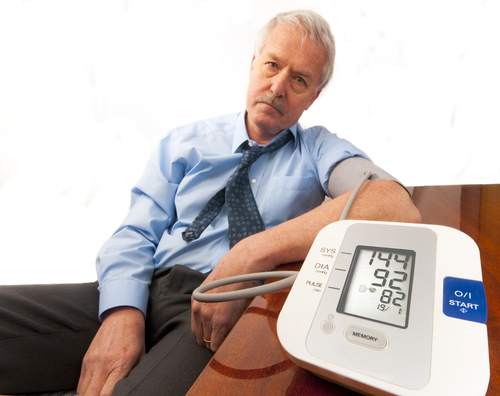
shutterstock_high blood pressure

Individuals with severe mental illness (SMI) have shortened life expectancies compared to the general population. This is partly down to higher rates of chronic physical illness. Cardiovascular disease (CVD) is the leading cause of death among patients using mental health services. It is assumed that interventions used to reduce CVD are similarly effective in patients with [read the full story…]

New NICE TA: Aripiprazole for treating moderate to severe manic episodes in adolescents with bipolar I disorder

Pills

NICE has just published a new technology appraisal recommending aripiprazole as a treatment for bipolar disorder in young people. Technology Appraisals are systematic evaluations of the effectiveness of health technologies.  They do not have the broad scope of guidelines, which focus on topics rather than technologies, but they do give guidance for clinical practice on the [read the full story…]

Cochrane review finds quetiapine is equivalent in efficacy to typical antipsychotics and possibly causes fewer side effects

Antipsychotic medication is the standard treatment for schizophrenia and psychosis in the UK.  Given that psychosis is commonly a chronic condition and therefore that medication used to treat it often needs to be taken for several years, getting the medication “right” is important. As I mentioned in my first blog post for the Mental Elf, [read the full story…]

New guideline says lithium still appears to have the most robust evidence base as a long-term treatment for bipolar disorder

Bipolar

Bipolar disorder features as one of the top ten disabling disorders for working age adults. There are numerous risks including suicide, increased mortality and reduced social functioning associated with the disorder. Key to enabling recovery is preventing acute episodes from occurring, with each episode increasing the risk of future ones. Therefore ensuring long-term maintenance treatment [read the full story…]

Long-acting antipsychotics cost-effective for treatment of schizophrenia, but evidence inconsistent

shutterstock_95098696

Here at Mental Elf HQ we’re expanding our skill set to include economics. Understanding the best way to value health and health care, and improving health outcomes with budget constraints in mind, are the key pastimes of economics elves. We hope to bring you the latest economic evidence in the field of mental health and to [read the full story…]

Inappropriate use of antipsychotics to treat behavioural and psychological symptoms of dementia is likely to be more prevalent in care homes and low-income households

Older man

Antipsychotics were discovered as an effective treatment for schizophrenia in the 1950s, but their use was expanded despite lack of supporting evidence, to treat other patient groups.  This included treating aggression, agitation and other behavioural and psychological symptoms of dementia (BPSD). There is evidence that these distressing symptoms can often be prevented or managed without [read the full story…]

Atypical antipsychotics don’t improve quality of life in treatment-resistant depression

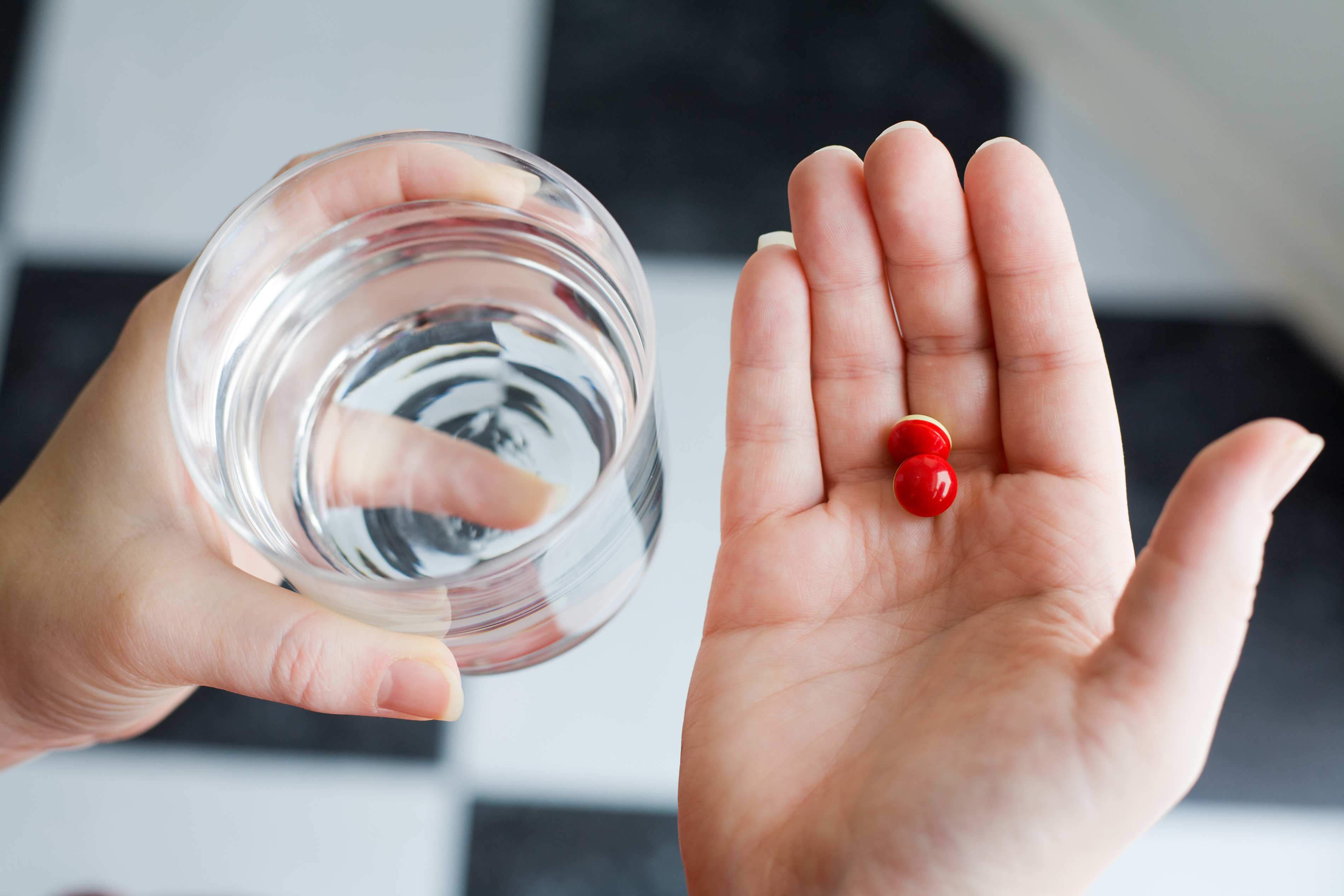
Hand holding pill

SSRIs are usually considered first-line treatment against major depression and approximately 50% of patients achieve remission with the drug they try first (Steffens, Krishnan, & Helms, 1997). However, every eighth case proves to be treatment-resistant and does not respond to standard antidepressant treatment at all. As a last resort, second-generation antipsychotics (SGAs) effective in schizophreniform [read the full story…]

Old side effects and old drugs; old side effects and new drugs

Pill

People using antipsychotic drugs like chlorpromazine and haloperidol get [anticholinergic] side effects such as blurred vision, dry mouth and constipation but the proportion of people experiencing these is not clear. Past surveys are very old indeed, small and not really proper surveys at all. Their results had been perpetuated for decades without verification. They were [read the full story…]

German cohort study finds no support for superiority of atypical antipsychotics in schizophrenia

It is possible that those who were disengaging from interventions such as medication were less likely to take part in the study.

Schizophrenia according to the NICE guidelines, is a relatively common illness and in the majority of cases takes a chronic course, requiring continued management and careful attention.  In the treatment and management of schizophrenia, antipsychotic medications – like olanzapine, quetiapine or clozapine – are the first line intervention. Antipsychotics can be loosely divided into “first-generation” (“typical”) and [read the full story…]