antipsychotics

shutterstock_143179291

Introduction

Antipsychotics are medications used in the treatment of psychosis. In the past, they have also been known as neuroleptics or major tranquilisers™.

However, they can also be used in a number of other conditions, including bipolar affective disorder, depression with psychosis and acutely aggressive/violent behaviour requiring sedation.

Antipsychotics are available in oral form, some in oral quicklet form, which dissolves immediately in the mouth and some in intramuscular form, often referred to as a ˜depot injection.

What we know already

To understand antipsychotics, it is important to understand the key biological theory of what causes psychosis. This theory boils down to an excess of dopamine in the brain, particularly in the mesolimbic pathway, causing psychotic experiences such as delusions and hallucinations. Most antipsychotics (although not all) act by blocking dopamine receptors in order to dampen down the activation of the excess dopamine.

Antipsychotics can be classified in several ways, but the most commonly used method is to divide them into first- or second-generation antipsychotics. This description is partly due to the timing of the development of the drugs, but the main difference between the groups is their side effect profile. First generation antipsychotics are known to cause extra-pyramidal side effects such as parkinsonism, akathisia, dystonia and tardive dyskinesia, whereas second generation drugs are less likely to cause this.

First-generation antipsychotics (or typical™ antipsychotics) include Chlorpromazine, Haloperidol, Flupentixol and Zuclopenthixol.

Second-generation antipsychotics (or atypical antipsychotics) include Amisulpride, Clozapine, Olanzapine, Paliperidone, Quetiapine and Aripiprazole.

Key side effects that may be seen with antipsychotic use:

  • Extra-pyramidal side effects (as above, mostly seen with first-generation antipsychotics)
  • Most antipsychotics have a propensity to induce weight gain and hyperglycaemia
  • Many antipsychotics can prolong the QT interval on ECG so cardiac side effects are seen
  • Sexual dysfunction

NICE guidelines suggest the choice of antipsychotic medication should be made by the service user and healthcare professional together, taking into account the views of the carer if the service user agrees.

Areas of uncertainty

  • The exact mechanisms of action of some antipsychotics.
  • Which antipsychotics should be used in which order. Generally speaking, clinicians opt for the antipsychotic that suits their patient, usually starting with a second-generation antipsychotic. With the exception of Clozapine (reserved for treatment-resistant schizophrenia), there are no strict guidelines on which antipsychotics to use in which order as part of a treatment ladder.
  • Using antipsychotics above the BNF upper limits this is often done in clinical practice but higher doses are unlicensed and therefore not as much information is known about the effect of doing this.
  • Some antipsychotics have been used to treat behavioural and psychological symptoms of dementia, but it has recently been identified that they are associated with an increased risk of stroke in the elderly, so using antipsychotics in older people requires careful consideration of benefits and risks.
  • The use of antipsychotics in pregnancy and which are safe to use. There is also limited information on what to use during breastfeeding.

What’s in the pipeline

  • The classification of antipsychotics is likely to change as we learn more about the drugs. The first/second generation divide is becoming a historical description that is becoming less useful as we discover new drugs with different mechanisms of action.
  • There is currently a drive to improve the physical health of those individuals taking antipsychotic medication.
  • Research continues into comparison of antipsychotic medication with psychotherapy interventions, such as CBT for psychosis more information available in the blogs on this topic!
  • The ongoing OPTiMiSE study (Leucht et al) hopes to provide evidence about the effectiveness of switching antipsychotics, including potential guidance on which drugs to use, and in the event of non-response the optimum length of time to wait before switching.

References

NICE guidelines CG178 (2014) ‘Psychosis and schizophrenia in adults: treatment and management’ [PDF]

Leucht S. et al. (2015) The Optimization of Treatment and Management of Schizophrenia in Europe (OPTiMiSE) Trial: Rationale for its Methodology and a Review of the Effectiveness of Switching Antipsychotics. Schizophr Bull (2015) 41 (3): 549-558 first published online March 18, 2015 doi:10.1093/schbul/sbv019 [Abstract]

Acknowledgement

Written by: Josephine Neale
Reviewed by: Alex LangfordTracey Roberts
Last updated: Sep 2015
Review due: Sep 2016

Our antipsychotics Blogs

Long term maintenance treatment with antipsychotics: a cautionary note from recent research

shutterstock_130812977

The support of individuals with experience of psychosis is complex and relies on a combination of psychopharmacology (antipsychotic drugs), psychological therapies and social interventions. Antipsychotics will often be the first line treatment offered, with the intention of reducing psychotic symptom burden. Following the resolution of immediate symptoms the role of antipsychotics becomes less clear; should [read the full story…]

Atypical antipsychotics no better than typicals for adolescents with psychosis, but atypicals may have fewer short-term side effects

shutterstock_141889399

Schizophrenia is a serious neurodevelopmental disorder that often starts during adolescence. Current treatment guidelines (NICE, 2013) recommend atypical antipsychotics for adolescents with this condition, but this is based largely on studies of adults with the condition. The Cochrane Schizophrenia Group conducted this systematic review to synthesise the current evidence base for atypical antipsychotic medication in [read the full story…]

New Cochrane review finds weak evidence that drug combinations are more effective than monotherapy in psychotic depression

shutterstock_14033248

Major depression remains a serious condition that often proves refractory to pharmacological or psychotherapeutic interventions. Because depression can have many “faces”, clinicians should be aware of the great symptom variability among depressed patients and consider subforms when prescribing medication.  In a sizeable amount of patients (up to 25%, Coryell et al., 1984), depression presents with [read the full story…]

If I pay you, will you have your injection?

shutterstock_132396503

Getting patients to take their medication as prescribed is notoriously difficult. Regardless of condition only about 50% of patients adhere to prescribed regimes. This is particularly the case in chronic or complex conditions worldwide and improving this problem has the potential to save considerable health burden and costs. Adherence in mental health is no different. [read the full story…]

Newer antipsychotics may increase the risk of pneumonia in schizophrenia

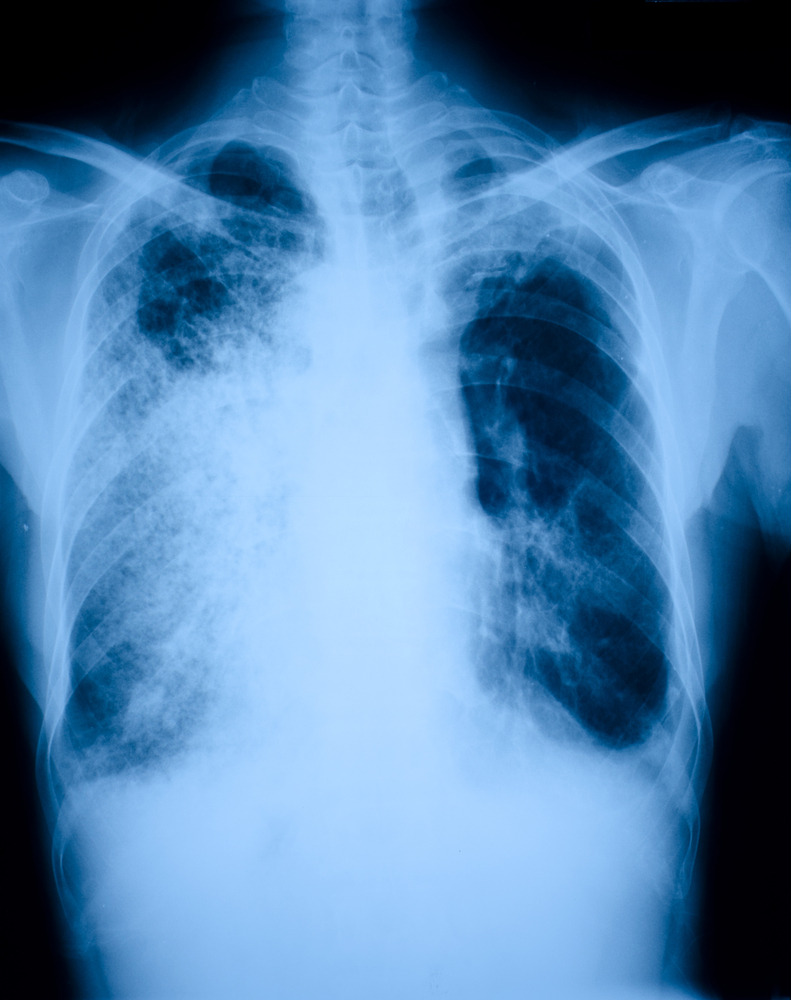
Pneumonia x-ray

Because of a more favourable side effects profile (not necessarily clinical superiority), second-generation antipsychotics (SGAs) are today the most commonly used drugs to treat psychotic disorders such as schizophrenia (Jones et al., 2006). While rather frequent adverse reactions, including weight gain, diabetes or sedation, are largely recognised, recent studies point at increased risk of pneumonia [read the full story…]

Do antipsychotics cause progressive brain changes in schizophrenia?

People with schizophrenia taking antipsychotics saw a reduction in grey matter

For over 30 years researchers have found that people with a diagnosis of schizophrenia have, on average, differences on brain scans compared to people without.  Not everybody with a diagnosis of schizophrenia will have these differences and it has not yet been possible to use brain scanning as a test to work out whether someone [read the full story…]

Systematic review of fluphenazine for schizophrenia: 50 years of learning not that much

shutterstock_141125920

Antipsychotic medications are often the first line of treatment for schizophrenia and have been effective at treating florid symptoms such as delusions and hallucinations. Fluphenazine was one of the first antipsychotics to become available on the market and has now been appearing on prescriptions for over 5 decades. Despite the arrival of newer generations of [read the full story…]

Adherence therapy no more cost-effective than health education for people with schizophrenia

shutterstock_115230874

When two interventions are demonstrably equivalent in terms of clinical outcomes, it is unclear which should be provided. One obvious decision rule in this case is to implement the intervention that is least costly and therefore most cost-effective. A recent economic evaluation by Patel and colleagues estimates the cost-effectiveness of adherence therapy for people with [read the full story…]

Atypical antipsychotics can lead to weight gain in children and adolescents, but more evidence needed about metabolic side effects

shutterstock_78370258

Atypical (second-generation) antipsychotics are used to treat a variety of psychiatric conditions. Although they have fewer side effects than first-generation antipsychotics, weight gain and other metabolic problems (such as high blood pressure and diabetes) remain common side effects of taking atypical antipsychotic medication (Mind, 2012). The Mental Elf has previously blogged about a Canadian report [read the full story…]

35% of people with learning disabilities in Australian city prescribed psychotropic medications

medicine in blisterpack

It is estimated that in UK, up to 200,000 people with learning disabilities are given anti-psychotic drugs, which can have powerful side effects, like risk of weight gain, impotence and strain to the cardiovascular system, and with little evidence of their efficacy in treating challenging behaviour. There are equal concerns about the use of anti-convulsant [read the full story…]