

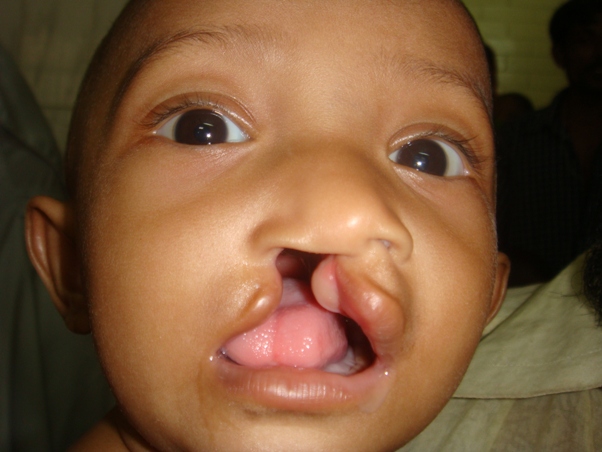

The causes of non- syndromic orofacial clefts (NSOFC) are multifactorial involving both genetic and environmental risk factors.
A positive association has been shown between maternal smoking and NSOFC, so the aim of this review was explores the relationship between maternal passive smoking and NSOFC, and compare the associations between passive and active smoking.
Methods
Searches were conducted in the PubMed, Scopus and Google Scholar databases. Case-control, cohort or cross-sectional studies where there was a control or comparison group reporting passive smoking and its relationship to NSOFC were considered. Two reviewers carried out study selection data abstraction and quality assessment independently. The Newcastle-Ottawa Scale was used for the quality assessment. Meta-analysis meta-regressions and sensitivity analysis were conducted.
Results
- 15 retrospective case-control studies sing self-report questionnaires for non-smoking mothers were included.
- 14 studies contributed to the meta-analysis. 11 had a low risk of bias and 3 a moderate-to-high risk
- Maternal passive smoking exposure was associated with a twofold increase in risk of NSOFC OR= 2.11, (95% CI: 1.54-2.89);
- For cleft lip with and without palate OR=2.05, (95% CI: 1.27-3.3)
- For cleft palate OR=2.11, (95% CI: 1.23-3.62).
- There was substantial heterogeneity between studies. In the studies that provided data enabling crude and adjusted odd ratios to be compared, adjustment for potential confounders attenuated the magnitude of association to about a 1.5-fold increase in risk.
- Meta regression found that the association between passive smoking and NSOFC varied by study quality, region but not cleft type. The magnitude of the association is lower in studies appraised as of good quality than in other studies and higher for Asian studies.
Conclusions
The authors concluded: –
Overall, maternal passive smoking exposure results in a 1.5 fold increase in risk of NSOFC, similar to the magnitude of risk reported for active smoking, but there is marked heterogeneity between studies. This heterogeneity is not explained by differences in the distribution of cleft types, adjustment for covariates, broad geographic region, or study bias/quality. This thorough meta-analysis provides further evidence to minimize exposure to environmental tobacco smoke in policy making fora and in health promotion initiatives.
Comments
This well-conducted review shows a link between passive smoking and NSOFC. Interestingly, the link was higher than that reported for active smoking (OR = 1.5, 95% CI: 1.17 to 1.93); the authors consider that this might be due to under-reporting of active smoking or possibly longer exposure of those suffering from passive smoking. This study adds weight to those wishing to minimise exposure to environmental tobacco.




Dental caries and secondhand smoke associated
10 years agoHumberto Velásquez Mansilla
10 years agoChristine Park
10 years agoAnna Lee Hunt
10 years agoHernán Uribe
10 years agoJanice Smith
10 years agoDaniela Zaharia
10 years agoMarcos Santana
10 years agoCastleRockEndo
11 years agoLittleSmilesCO
11 years agoMtnVwFmlyDental
11 years agosrpdstaff
11 years agoCyberCFOUSA
11 years agodentalwebguru
11 years agoTri_City_Endo
11 years agolasvegasendo
11 years agoJanice Smith
11 years agoThe Dental Elf
11 years agoSpeechTeach63
11 years agoLRussellWolpe
11 years agoEBCPMcMaster
11 years agoflyerLPA
11 years agoTheDentalElf
11 years agoAnna Lee Hunt
11 years agoHernán Uribe
11 years agoToothfairy4you
11 years agoHHLibService
11 years agowespeechies
11 years agoMental_Elf
11 years agoChristine Park
11 years agoGlow_Mp
11 years agoMangerBakes
11 years agoHumberto Velásquez Mansilla
11 years ago