

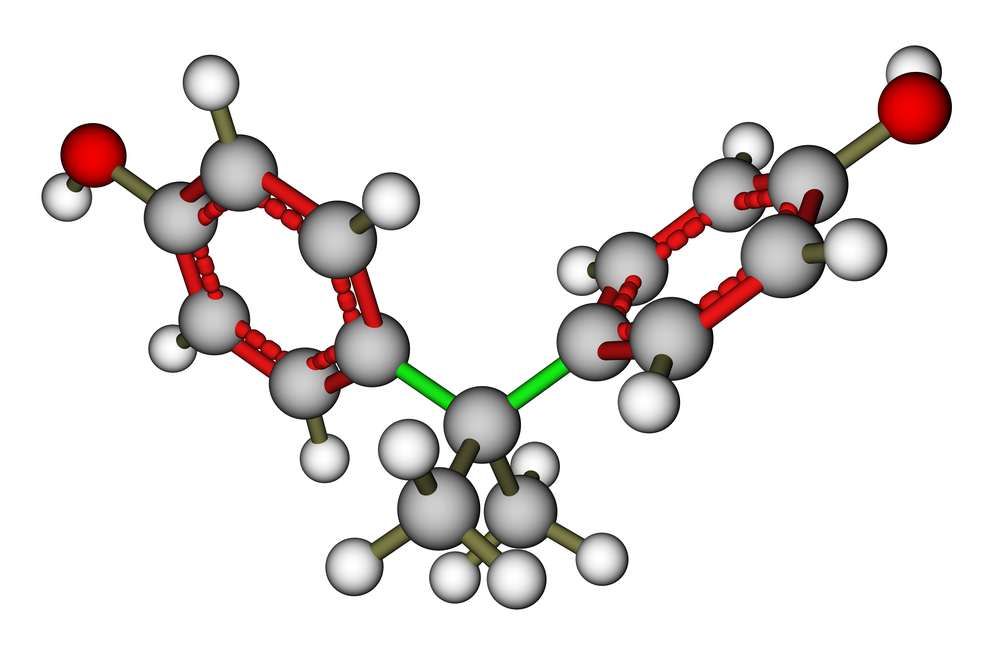

The release of Bisphenol-A (BPA) from dental resins has attracted attention from researchers, and it has been described as an endocrine disruptor chemical. The aim of this review was to assess the short- and long-term release of BPA in human tissues (saliva, blood serum and urine) after treatment with dental pit and fissure sealants.
Searches were conducted in the Medline, Embase, Cochrane Oral Health Group’s Trials Register, CENTRAL, ClinicalTrials.gov, the National Research Register, and Pro-Quest Dissertation Abstracts and Thesis databases. Reference lists of identified articles were also searched. Only prospective studies were considered.
- 8 studies were included, only 2 were appropriate for a quantitative synthesis.
- BPA levels identified
- in saliva ranged from traces below the method’s detection limit to 30μg/ml.
- In urine, spanned from 0.17 mg/g to 45.4 mg/g.
- were not traced in any blood sample at any point of time in the relevant studies.
- The quantitative analysis showed evidence of BPA release one hour after sealant placement compared to the amount traced before restoration (Stouffer’s z trend: <0.001).
The authors concluded
The available evidence on this topic derived from studies that represent a moderate level of evidence. Nevertheless, the available evidence supports that BPA is released in saliva after sealant placement.
Comment
As noted in the reviews discussion there is much heterogeneity in the methodological approaches and materials tested in these studies. So while the review finds evidence to support the release of BPA from dental sealants the exposure to BPA is poorly characterised
Links
Kloukos D, Pandis N, Eliades T. In vivo bisphenol-A release from dental pit and fissure sealants: A Systematic Review. J Dent. 2013 May 1. doi:pii: S0300-5712(13)00103-6. 10.1016/j.jdent.2013.04.012. [Epub ahead of print] PubMed PMID: 23643847.





Bisphenol-A: Exposure from dental treatment - National Elf Service
7 years agoAlessandro
13 years agomaribyrnong dentist
13 years ago