

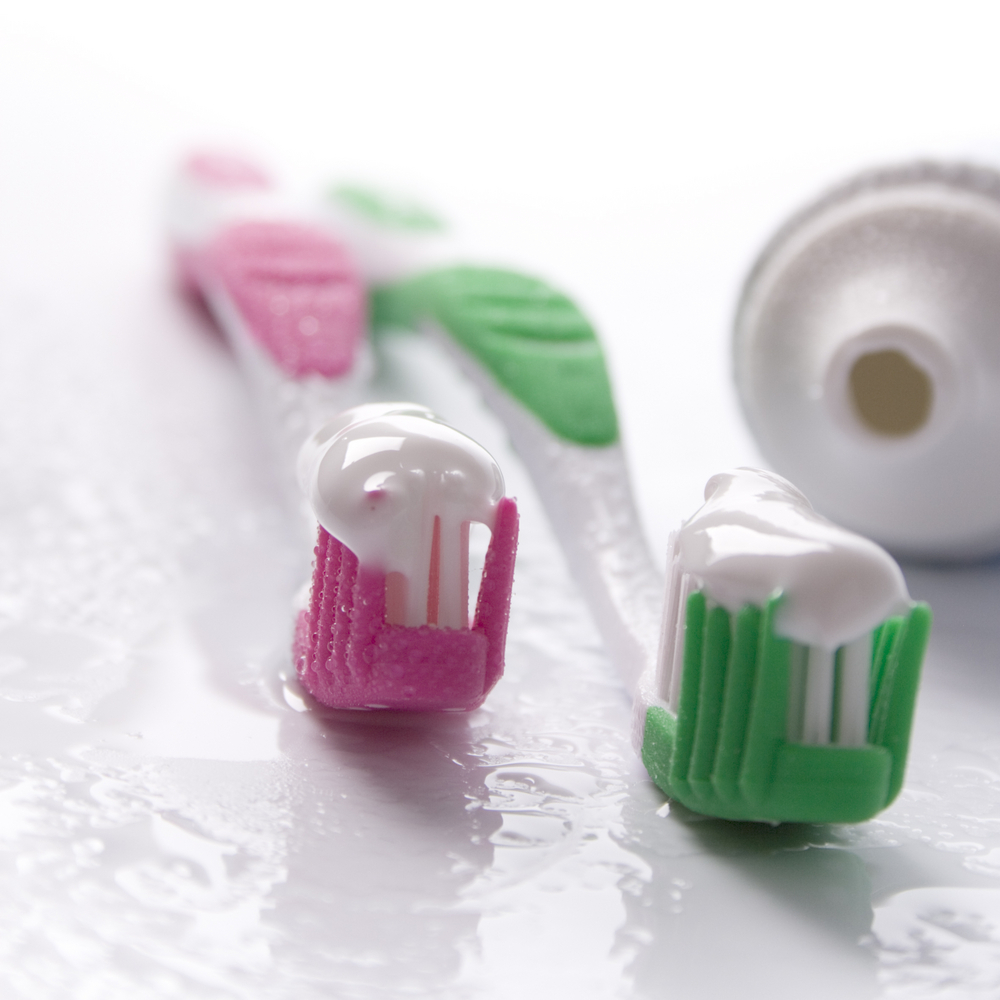

The aim of this single-blind cross-over study was to compare the performance of three different toothbrush models in the control of dental biofilm and maintaining a healthy gingival condition.
The sample was randomly divided into three groups (A, B and C), each of which used one of the three toothbrushes tested. The brushes had bristles on the same plane, straight (T1) – bristles on different planes, straight arrangement (T2) bristles on different planes, straight and circular arrangement( T3). Each experimental period lasted 15 days each, with three daily brushings and a 7-day washout interval was used between periods. The oral hygiene and gingival bleeding indices were recorded by a single, calibrated examiner blind to the brush used. Bristle wear was measured with a digital calliper at the end of each period.
They found that :-
- The toothbrushes achieved similar results for the clinical parameters investigated (P > 0.05).
- The three models exhibited a similar degree of bristle wear (P > 0.05).
The authors concluded that:-
the arrangement of the bristles had little influence over the removal of biofilm and gingival conditions. Thus, there is no clinical justification for replacing conventional toothbrushes with more expensive models.
Stroski ML, de Souza Dal Maso AM, Wambier LM, Chibinski AC, Pochapski MT, Santos FA, Wambier DS. Clinical evaluation of three toothbrush models tested by schoolchildren. Int J Dent Hyg. 2011 May;9(2):149-54. doi:10.1111/j.1601-5037.2010.00476.x. PubMed PMID: 21356018.



ramon
14 years ago