
The Mental Elf

Cohort study links early exposure to intimate partner violence with poor mental health outcomes, but longer follow-up is needed

Negative childhood experiences have always been a big topic in psychology and psychiatry, as they tend to be associated with poor mental health outcomes in later life.

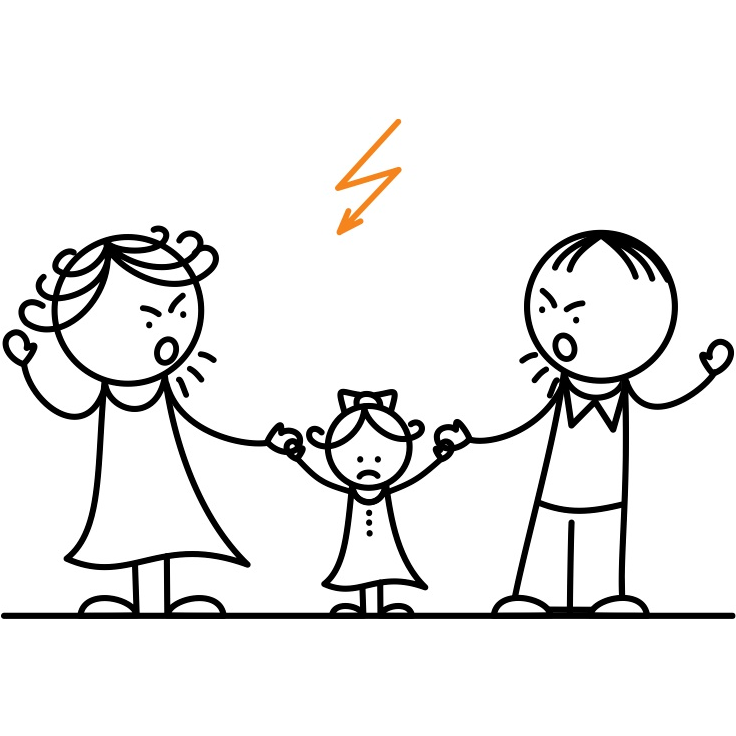
Intimate partner violence (IPV) harms not only the adults directly involved in it, but also the children – witnessing IPV as a child is a known risk factor for experiencing IPV and poor mental health as an adult. Exposure to parental depression is also a risk factor for decreased cognitive ability and behavioural problems.

Methods

This cohort study, performed in Indianapolis, Indiana, and published in JAMA Pediatrics, looked at possible links between childhood exposure to parental depression and intimate partner violence (IPV) and subsequent mental health outcomes of the children.

The cohort was recruited from people using healthcare services in four community paediatric health centres. There had to be at least two visits documented in the system: one between the child’s birth and age 36 months, and a second visit between age 37 months and 72 months (6 years).

The study reported that children whose parents reported depressive symptoms were more likely to experience ADHD or
The study reported that children whose parents reported depressive symptoms were more likely to experience ADHD or receive psychotropic medication

Data were captured from a pre-screening form that parents were asked to complete in the waiting room. It included questions about if their partner had kicked, slapped or hit them and whether they felt safe in their home. To screen for depressive symptoms, it also asked whether they had felt down or depressed or lost interest or pleasure in doing things. In 2010, these questions were changed to whether they’d blamed themselves unnecessarily or felt panicky or anxious in the past seven days.  The cohort was divided into four groups according to their answers.

A child was defined as having exposure to IPV if the parent reported it at any time between the child’s birth and age 3, same for depressive symptoms. Of the 2422, 1591 reported neither IPV nor depressive symptoms, 58 reported both, 69 IPV only, and 704 depressive symptoms only. Outcome data were obtained from the county’s medical record system.

Results

The researchers were interested in finding out whether there is a link between exposure to IPV and/or parental depression and children being diagnosed with mental health conditions and/or being prescribed psychotropic medication.

At age 3-6, the following diagnoses were present:

  • ADHD – 3.3% of children
  • Disruptive behaviour disorder – 8.7% of children
  • Anxiety – 0.7%
  • Depression – 0.4%
  • Sleep problems – 0.3%
  • Adjustment disorder – 1.7%
The study found that children of parents who reported IPV were more likely to develop ADHD

48 children (2.0% of the cohort) had been prescribed psychotropic medication. 15 out of 20 of these prescriptions were for ADHD, the others for antidepressants (SSRIs).

There was a statistically significant link between ADHD and parent-reported depressive symptoms compared with no reported depressive symptoms (4.5% vs. 2.8%). Children of parents who reported depressive symptoms were also more likely to receive psychotropic medication (2.9% vs 1.6%).

Children of parents who reported IPV were more likely to develop ADHD (6.3% vs 3.1%).

Conclusions

The authors conclude that this study supports existing literature finding that:

IPV exposure is linked with significant childhood mental health and behavioural concerns.

They suggest that children in families reporting IPV should be screened for mental health conditions and monitored over time.

There are several limitations of this study:

  • The study data on parental depression and IPV was self-reported, which is a significant limitation of this research
    The study data on parental depression and IPV was self-reported, which is a significant limitation of this research

    First, because the values for IPV and depressive symptom exposure are based on self-reported data, it is likely that not all families where IPV happened were captured. Parents may have left the questions blank for a number of reasons, including safety concerns, and so been classed as non-responders. Also, as the authors state themselves, asking whether people feel safe in their homes isn’t specific enough to capture IPV.

  • Secondly, there are a number of confounding factors that were unaccounted for, such as concurrent child abuse, violence between siblings, etc.
  • The change of questions on the questionnaire for depressive symptoms during the time period of the study is another limitation.

However, the study also has several strengths:

  • Recruiting from community health centres rather than women’s shelters,
  • and a cohort rather than a case-control design.

The main take-home message seems to be that exposure to IPV and/or parental depression can be detrimental to children’s mental health, and that screening should be used to identify children who are at risk. I like the suggestion that treatments for parental depression should be part of a child’s treatment plan – in practical terms, there isn’t usually a lot paediatricians can do to stop IPV from occurring, or children from witnessing it, but helping with a parent’s depression is within medical powers.

Link

Bauer NS, Gilbert AL, Carroll AE, Downs SM. Associations of early exposure to intimate partner violence and parental depression with subsequent mental health outcomes. JAMA Pediatr. 2013 Apr;167(4):341-7. doi: 10.1001/jamapediatrics.2013.780.

Add a comment
  • LSHTMlibrary

    LSHTMlibrary

    12 years ago
    RT @Mental_Elf: In case you missed it: Study links early exposure to intimate partner violence with poor mental health outcomes http://t.co…
  • PsiqInfantil

    PsiqInfantil

    12 years ago
    Witnessing partner violence in the family linked with poorer mental health outcomes in children http://t.co/n0vdigoHJL vía @sharethis
  • BPSOfficial

    BPSOfficial

    12 years ago
    RT @Mental_Elf: Study finds that children whose parents report depressive symptoms are more likely to receive psychotropic medication http:…
  • PHRCLeeds

    PHRCLeeds

    12 years ago
    Study links early exposure to intimate partner violence with poor mental health outcomes, via @Mental_Elf http://t.co/BQCcxYbk7g
  • VictoriBleazard

    VictoriBleazard

    12 years ago
    RT @Mental_Elf: In case you missed it: Study links early exposure to intimate partner violence with poor mental health outcomes http://t.co…
  • menthecream

    menthecream

    12 years ago
    RT @Mental_Elf: In case you missed it: Study links early exposure to intimate partner violence with poor mental health outcomes http://t.co…
  • HelenMcStravick

    HelenMcStravick

    12 years ago
    RT @Mental_Elf: In case you missed it: Study links early exposure to intimate partner violence with poor mental health outcomes http://t.co…
  • MHNEtweets

    MHNEtweets

    12 years ago
    RT @Mental_Elf: In case you missed it: Study links early exposure to intimate partner violence with poor mental health outcomes http://t.co…
  • HazelKLarkin

    HazelKLarkin

    12 years ago
    RT @Mental_Elf: In case you missed it: Study links early exposure to intimate partner violence with poor mental health outcomes http://t.co…
  • mhequalities

    mhequalities

    12 years ago
    RT @Mental_Elf: In case you missed it: Study links early exposure to intimate partner violence with poor mental health outcomes http://t.co…
  • MarthaSmalley

    MarthaSmalley

    12 years ago
    RT @Mental_Elf: Study finds that children whose parents report depressive symptoms are more likely to receive psychotropic medication http:…
  • cgconsultancy

    cgconsultancy

    12 years ago
    RT @Mental_Elf: Cohort study finds that children of parents who report intimate partner violence are more likely to develop ADHD http://t.c…
  • aghoury79

    aghoury79

    12 years ago
    Mental Elf: Cohort study links early exposure to intimate partner violence with poor mental health outcomes, but... http://t.co/RDoAdn0JD8
  • JaneStreetPPAD

    JaneStreetPPAD

    12 years ago
    RT @Mental_Elf: In case you missed it: Study links early exposure to intimate partner violence with poor mental health outcomes http://t.co…
  • PamelaMCPower

    PamelaMCPower

    12 years ago
    RT @Mental_Elf: In case you missed it: Study links early exposure to intimate partner violence with poor mental health outcomes http://t.co…
  • ChairmanBoab

    ChairmanBoab

    12 years ago
    RT @Mental_Elf: In case you missed it: Study links early exposure to intimate partner violence with poor mental health outcomes http://t.co…
  • StephanHermsen

    StephanHermsen

    12 years ago
    RT @Mental_Elf: Cohort study finds that children of parents who report intimate partner violence are more likely to develop ADHD http://t.c…
  • StephanHermsen

    StephanHermsen

    12 years ago
    RT @Mental_Elf: In case you missed it: Study links early exposure to intimate partner violence with poor mental health outcomes http://t.co…
  • ForenPsycCovUni

    ForenPsycCovUni

    12 years ago
    RT @Mental_Elf: In case you missed it: Study links early exposure to intimate partner violence with poor mental health outcomes http://t.co…
  • PreciousThing

    PreciousThing

    12 years ago
    RT @Mental_Elf: In case you missed it: Study links early exposure to intimate partner violence with poor mental health outcomes http://t.co…
  • Mental_Elf

    Mental_Elf

    12 years ago
    In case you missed it: Study links early exposure to intimate partner violence with poor mental health outcomes http://t.co/WN5rDdI0xU
  • chilledreader

    chilledreader

    12 years ago
    RT @VoicesLibrary: What fellow NHS librarians get up to via The Mental Elf: http://t.co/xQj0O88nXb via @sharethis
  • morrisKOT

    morrisKOT

    12 years ago
    RT @lisaburscheidt: I appraised an article for @Mental_Elf on intimate partner violence and its effects on childrens' mental health http://…
  • VoicesLibrary

    VoicesLibrary

    12 years ago
    What fellow NHS librarians get up to via The Mental Elf: http://t.co/xQj0O88nXb via @sharethis
  • Mental_Elf

    Mental_Elf

    12 years ago
    RT @lisaburscheidt: I appraised an article for @Mental_Elf on intimate partner violence and its effects on childrens' mental health http://…
  • lisaburscheidt

    lisaburscheidt

    12 years ago
    I appraised an article for @Mental_Elf on intimate partner violence and its effects on childrens' mental health http://t.co/w4XdeDH2Sg
  • PamelaMCPower

    PamelaMCPower

    12 years ago
    RT @Mental_Elf: Study finds that children whose parents report depressive symptoms are more likely to receive psychotropic medication http:…
  • Mental_Elf

    Mental_Elf

    12 years ago
    Study finds that children whose parents report depressive symptoms are more likely to receive psychotropic medication http://t.co/WN5rDdI0xU
  • PamelaMCPower

    PamelaMCPower

    12 years ago
    RT @Mental_Elf: Cohort study links early exposure to intimate partner violence with poor mental health outcomes http://t.co/Me7s9xNdum
  • TerrinaXx

    TerrinaXx

    12 years ago
    RT @Mental_Elf: New cohort study finds that children whose parents report depressive symptoms are more likely to experience ADHD http://t.c…
  • SugarSpiceModel

    SugarSpiceModel

    12 years ago
    RT @Mental_Elf: New cohort study finds that children whose parents report depressive symptoms are more likely to experience ADHD http://t.c…
  • BrianG61UK

    BrianG61UK

    12 years ago
    RT @Mental_Elf: New cohort study finds that children whose parents report depressive symptoms are more likely to experience ADHD http://t.c…
  • music_linleroux

    music_linleroux

    12 years ago
    RT @Mental_Elf: New cohort study finds that children whose parents report depressive symptoms are more likely to experience ADHD http://t.c…
  • BPSOfficial

    BPSOfficial

    12 years ago
    RT @Mental_Elf: New cohort study finds that children whose parents report depressive symptoms are more likely to experience ADHD http://t.c…
  • Alichats

    Alichats

    12 years ago
    RT @Mental_Elf: New cohort study finds that children whose parents report depressive symptoms are more likely to experience ADHD http://t.c…
  • Mental_Elf

    Mental_Elf

    12 years ago
    New cohort study finds that children whose parents report depressive symptoms are more likely to experience ADHD http://t.co/WN5rDdI0xU
  • bellindry

    bellindry

    12 years ago
    RT @Mental_Elf: Cohort study finds that children of parents who report intimate partner violence are more likely to develop ADHD http://t.c…
  • migliareseg

    migliareseg

    12 years ago
    @Mental_Elf It would be important differentiate ADHD as reactive symptom from a more neurobiological disorder.
  • ARUCleary

    ARUCleary

    12 years ago
    RT @Mental_Elf: Cohort study finds that children of parents who report intimate partner violence are more likely to develop ADHD http://t.c…
  • Nicola Davies

    Nicola Davies

    12 years ago
    Nicola Davies liked this on Facebook.
  • angliacounsel

    angliacounsel

    12 years ago
    RT @Mental_Elf: Cohort study finds that children of parents who report intimate partner violence are more likely to develop ADHD http://t.c…
  • leat72

    leat72

    12 years ago
    RT @Mental_Elf: Cohort study finds that children of parents who report intimate partner violence are more likely to develop ADHD http://t.c…
  • Mental_Elf

    Mental_Elf

    12 years ago
    Cohort study finds that children of parents who report intimate partner violence are more likely to develop ADHD http://t.co/WN5rDdI0xU
  • lypftlib

    lypftlib

    12 years ago
    RT @Mental_Elf: Cohort study links early exposure to intimate partner violence with poor mental health outcomes http://t.co/Me7s9xNdum
  • tapchat

    tapchat

    12 years ago
    Cohort study links early exposure to intimate partner violence with poor mental health outcomes, http://t.co/k8XB3Ls1v9 via @sharethis
  • SubMisuseGcu

    SubMisuseGcu

    12 years ago
    RT @Mental_Elf: Cohort study links early exposure to intimate partner violence with poor mental health outcomes http://t.co/Me7s9xNdum
  • lisaburscheidt

    lisaburscheidt

    12 years ago
    RT @Mental_Elf: @lisaburscheidt highlights new @JAMAPeds study on early exposure to intimate partner violence & parental depression http://…
  • john39x25

    john39x25

    12 years ago
    RT @Mental_Elf: Cohort study links early exposure to intimate partner violence with poor mental health outcomes http://t.co/Me7s9xNdum
  • MAVscotland

    MAVscotland

    12 years ago
    RT @Mental_Elf: Cohort study links early exposure to intimate partner violence with poor mental health outcomes http://t.co/Me7s9xNdum
  • LMarryat

    LMarryat

    12 years ago
    RT @Mental_Elf: Cohort study links early exposure to intimate partner violence with poor mental health outcomes http://t.co/Me7s9xNdum
  • Mental_Elf

    Mental_Elf

    12 years ago
    @lisaburscheidt highlights new @JAMAPeds study on early exposure to intimate partner violence & parental depression http://t.co/WN5rDdI0xU
  • kingsxcouns

    kingsxcouns

    12 years ago
    RT @Mental_Elf: Cohort study links early exposure to intimate partner violence with poor mental health outcomes http://t.co/Me7s9xNdum
  • The Mental Elf

    The Mental Elf

    12 years ago
    The Mental Elf liked this on Facebook.
  • aghoury79

    aghoury79

    12 years ago
    Cohort study links early exposure to intimate partner violence with poor mental health outcomes, but longer fo... http://t.co/P02huXs2NO
  • DrShirleyLock

    DrShirleyLock

    12 years ago
    RT @Mental_Elf: Cohort study links early exposure to intimate partner violence with poor mental health outcomes http://t.co/Me7s9xNdum
  • 444blackcat

    444blackcat

    12 years ago
    RT @Mental_Elf: Cohort study links early exposure to intimate partner violence with poor mental health outcomes http://t.co/Me7s9xNdum