psychosis

Psychosis is a condition that affects a person’s mind and causes changes to the way that they think, feel and behave. A person who experiences psychosis may be unable to distinguish between reality and their imagination. People who are experiencing psychosis are sometimes referred to as psychotic. They may have hallucinations (where you see or hear things that are not there) and/or delusions (where you believe things that are untrue).

Our psychosis Blogs

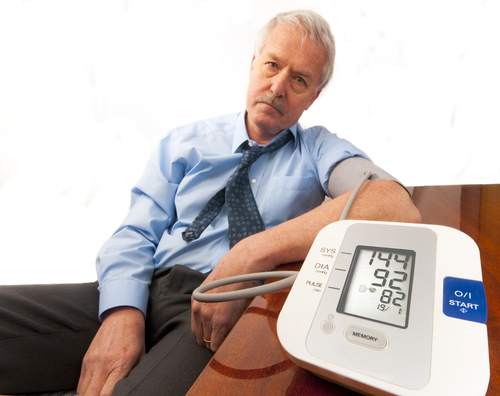
Do interventions proven to improve cardiovascular disease outcomes work for individuals with severe mental illness?

shutterstock_high blood pressure

Individuals with severe mental illness (SMI) have shortened life expectancies compared to the general population. This is partly down to higher rates of chronic physical illness. Cardiovascular disease (CVD) is the leading cause of death among patients using mental health services. It is assumed that interventions used to reduce CVD are similarly effective in patients with [read the full story…]

Cochrane review finds quetiapine is equivalent in efficacy to typical antipsychotics and possibly causes fewer side effects

Antipsychotic medication is the standard treatment for schizophrenia and psychosis in the UK.  Given that psychosis is commonly a chronic condition and therefore that medication used to treat it often needs to be taken for several years, getting the medication “right” is important. As I mentioned in my first blog post for the Mental Elf, [read the full story…]

Preventive interventions for postnatal psychosis: an empty/full systematic review

shutterstock_114424966

A highlight for elves in a hurry Preventive interventions for postnatal psychosis1 is a systematic review published in the Cochrane Database of Systematic Reviews in 2013. It aimed to investigate the best available evidence on interventions for preventing Postnatal Psychosis derived from all relevant randomized controlled trials. Unfortunately, no studies were found. Thus, this review [read the full story…]

A Reasoning and Rehabilitation programme reduces verbal aggression and improves problem solving in offenders with psychosis

Stop aggression

Here at the Mental Elf we are always on the look out for research that extends trials into new areas, and offers practical benefits to people recovering from mental illness. Within psychiatric wards violence and challenging behaviour can be extremely distressing, with a 2007 Healthcare Commission report finding that over half of staff and almost half of [read the full story…]

Are you really at risk of attack by someone with schizophrenia?

Do not cross

By Rebecca Syed, King’s College London.  A violent attack by someone who is mentally ill quickly grabs the headlines. And it’s usually implied that mental illnesses are a preventable cause of violent crime. Tackle that and we can all sleep safer in our beds. But by pressuring mental health services to focus on the risk [read the full story…]

Healthy Active Lives (HeAL): tackling premature death in young people with psychosis

Teenage girl holding up her hand

The Healthy Active Lives (HeAL) international consensus statement aims to reverse the trend of people with severe mental illness dying early by tackling risks for future physical illnesses pro-actively and much earlier. The statement is being launched today by the Royal College of Psychiatrists, at a special event focusing on achieving parity between mental and [read the full story…]

Meta-analysis finds medium-sized deficit for IQ-change in schizophrenia patients

lightbulb brain

When Kraepelin first described the symptoms of the disorder we now call schizophrenia, he drew particular attention towards the deterioration of cognitive function he observed in his patients and named their condition “dementia praecox”. To this day, cognitive deficits are still regarded as one of the key features of schizophrenia (and related diagnoses), and it [read the full story…]

Joint Crisis Plans to prevent compulsory admissions: a good idea stymied by poor execution?

Doctor and patient talking

Good mental health care should involve the patient in determining their treatment, and should involve the least restrictive form of care possible. Although the Care Programme Approach (CPA) has resulted in patients in England routinely participating in planning their care, compulsory admissions to psychiatric hospitals have continued to rise over the past decade. Involuntary treatment [read the full story…]

Community treatment orders fail to reduce psychiatric readmissions for people with psychosis

shutterstock_94689124

Community treatment orders (CTO’s) provide compulsory supervision outside of psychiatric hospital. They require patients to accept clinical monitoring in the community and enable them to be recalled to hospital for assessment if necessary. They do not authorise forcible treatment; however whilst on a CTO a patient may be ordered to meet certain requirements, such as [read the full story…]

Meta-analysis finds insufficient evidence for treatments to improve insight for people with psychosis

Man smiling in sunlight

Research suggests that many people with schizophrenia or related psychoses show a striking lack of insight into their condition (Dam, 2006). Poor insight can have a negative impact on several outcomes, including general adjustment (Stefanopoulou et al., 2009), quality of life (Drake et al., 2007), social functioning (Drake et al., 2007) and rehospitalisation. With this [read the full story…]