psychosis

Psychosis is a condition that affects a person’s mind and causes changes to the way that they think, feel and behave. A person who experiences psychosis may be unable to distinguish between reality and their imagination. People who are experiencing psychosis are sometimes referred to as psychotic. They may have hallucinations (where you see or hear things that are not there) and/or delusions (where you believe things that are untrue).

Our psychosis Blogs

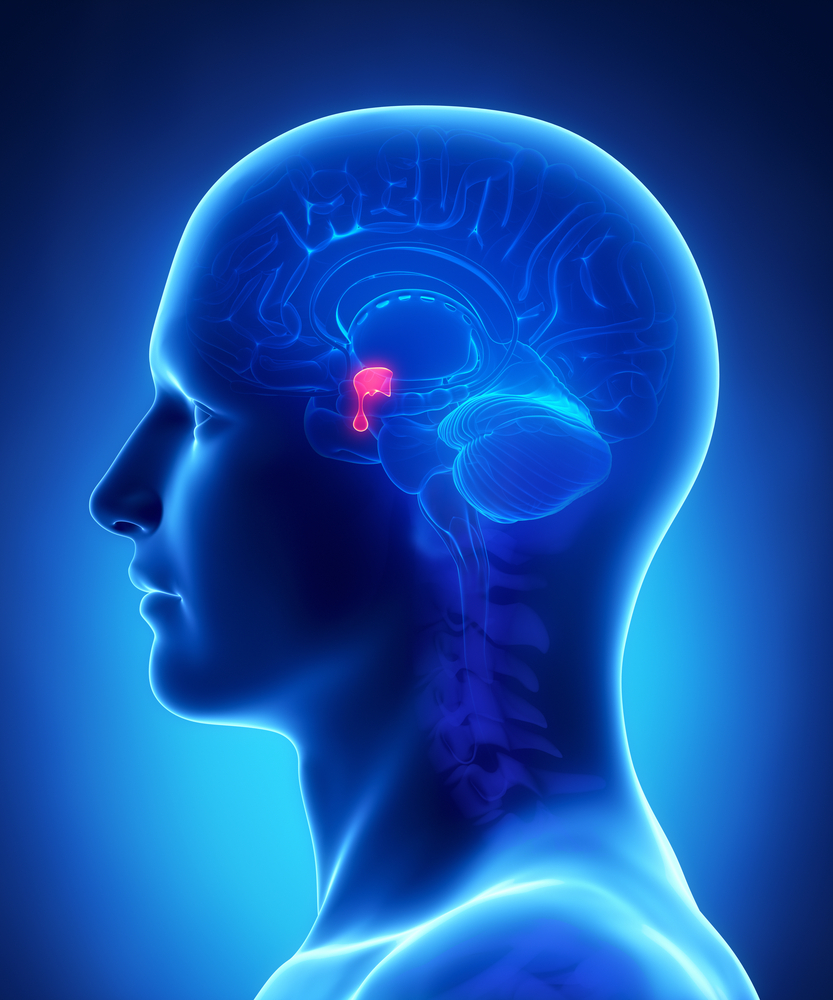
Meta-analysis finds that pituitary volume is not affected in people with first episode psychosis or schizophrenia

shutterstock_103381445

* Declaration; I have published articles with two of the authors of this article, including on this topic, and know most of them professionally One influential model of the onset of psychotic disorders such as schizophrenia is the stress-vulnerability model, first put forward by Zubin and Spring in 1977. This model proposes that people at [read the full story…]

Atypical antipsychotics no better than typicals for adolescents with psychosis, but atypicals may have fewer short-term side effects

shutterstock_141889399

Schizophrenia is a serious neurodevelopmental disorder that often starts during adolescence. Current treatment guidelines (NICE, 2013) recommend atypical antipsychotics for adolescents with this condition, but this is based largely on studies of adults with the condition. The Cochrane Schizophrenia Group conducted this systematic review to synthesise the current evidence base for atypical antipsychotic medication in [read the full story…]

Cognitive therapy is a non-stigmatising intervention for people at risk of psychosis

shutterstock_112493561

Criteria to identify subgroups experiencing an at-risk mental state (ARMS) have been developed and are widely adopted internationally, but this has fueled recent debates about unintended stigmatising consequences of identifying and providing treatment to people at risk of psychosis. While the Early Detection and Intervention Evaluation 2 (EDIE-2) trial has shown that cognitive therapy (CT) [read the full story…]

New Cochrane review finds weak evidence that drug combinations are more effective than monotherapy in psychotic depression

shutterstock_14033248

Major depression remains a serious condition that often proves refractory to pharmacological or psychotherapeutic interventions. Because depression can have many “faces”, clinicians should be aware of the great symptom variability among depressed patients and consider subforms when prescribing medication.  In a sizeable amount of patients (up to 25%, Coryell et al., 1984), depression presents with [read the full story…]

Identifying risk factors in first episode psychosis: results from two new meta-analyses

shutterstock_129941402

A first episode of psychosis is a higher risk time for acts of self-harm and of violence, and a chance to engage people, modify risk factors and change outcomes. Two related meta-analyses by Large, Neilssen and Challis are presented in a letter in the Australian and New Zealand Journal of Psychiatry.  They summarise two studies [read the full story…]

Music therapy is a hit with the patients, but not in the results

shutterstock_112280339 copy

In the Woodland we all enjoy a good sing-a-long, but can this actually be therapeutic? Music therapy has a growing database with regards to its use in helping to treat a variety of mental health disorders. It is thought of as a systematic intervention that uses music experiences (active or receptive) and the relationships that [read the full story…]

Fashionable? Measurable? Doable? Measuring wellbeing for people with psychosis

shutterstock_139543493

Over the past decade the term ‘wellbeing’ has made an increasing appearance in health and social care policy, with the Office for National Statistics undertaking the first UK national wellbeing survey in 2012. Although a lot of work has been done, there still doesn’t seem to be an agreed definition of what wellbeing is or [read the full story…]

Are psychotic symptoms predictive of suicide attempts?

shutterstock_38595379

Over the past several years, there has been a lively academic debate about what it means to have psychotic symptoms. Although these symptoms (most commonly auditory hallucinations) can be part of the expression of a psychotic illness, on their own they are neither necessary nor sufficient for a diagnosis. In fact, researchers from many countries [read the full story…]

#MindfulnessMonday – Mindfulness moderately effective for reducing symptoms of psychosis, though controlled studies less convincing

shutterstock_119557528

Last week, Elly O’Brien blogged about mindfulness-based cognitive therapy (MBCT) for various physical and psychological disorders. Today, another paper from the same authors, looking at the more broadly defined ‘mindfulness interventions’ for psychosis. Elly talked about the use of mindfulness to escape the “emotional quicksand” of negative thoughts, and the authors here again focus on [read the full story…]

Vitamin D deficiency in psychosis: our current (limited) understanding according to the latest meta-analysis.

Get ready to amend your dopamine hypothesis and stop trying to wrap your neurons around the role of glutamate in the brain.  The rising star of the neurobiological schizophrenia literature is…. Vitamin D.  Yes, really. The more sceptical amongst you (including me) may feel that finding a vitamin deficiency in psychosis patients is perhaps not [read the full story…]