psychosis

Psychosis is a condition that affects a person’s mind and causes changes to the way that they think, feel and behave. A person who experiences psychosis may be unable to distinguish between reality and their imagination. People who are experiencing psychosis are sometimes referred to as psychotic. They may have hallucinations (where you see or hear things that are not there) and/or delusions (where you believe things that are untrue).

Our psychosis Blogs

Cochrane review cannot support training to recognise early signs of recurrence in schizophrenia due to low quality evidence

man staring at piles of paper

NICE Guidelines state that around three quarters of people with a diagnosis of schizophrenia experience a chronic illness: with recurrent episodes of remission and relapse.  One way that chronic physical health conditions, such as diabetes and heart disease, are managed is by using early warning signs (EWS) training and this prevention strategy is now often [read the full story…]

Old side effects and old drugs; old side effects and new drugs

Pill

People using antipsychotic drugs like chlorpromazine and haloperidol get [anticholinergic] side effects such as blurred vision, dry mouth and constipation but the proportion of people experiencing these is not clear. Past surveys are very old indeed, small and not really proper surveys at all. Their results had been perpetuated for decades without verification. They were [read the full story…]

German cohort study finds no support for superiority of atypical antipsychotics in schizophrenia

It is possible that those who were disengaging from interventions such as medication were less likely to take part in the study.

Schizophrenia according to the NICE guidelines, is a relatively common illness and in the majority of cases takes a chronic course, requiring continued management and careful attention.  In the treatment and management of schizophrenia, antipsychotic medications – like olanzapine, quetiapine or clozapine – are the first line intervention. Antipsychotics can be loosely divided into “first-generation” (“typical”) and [read the full story…]

New review confirms the strong association between criminal history and violence risk in psychosis

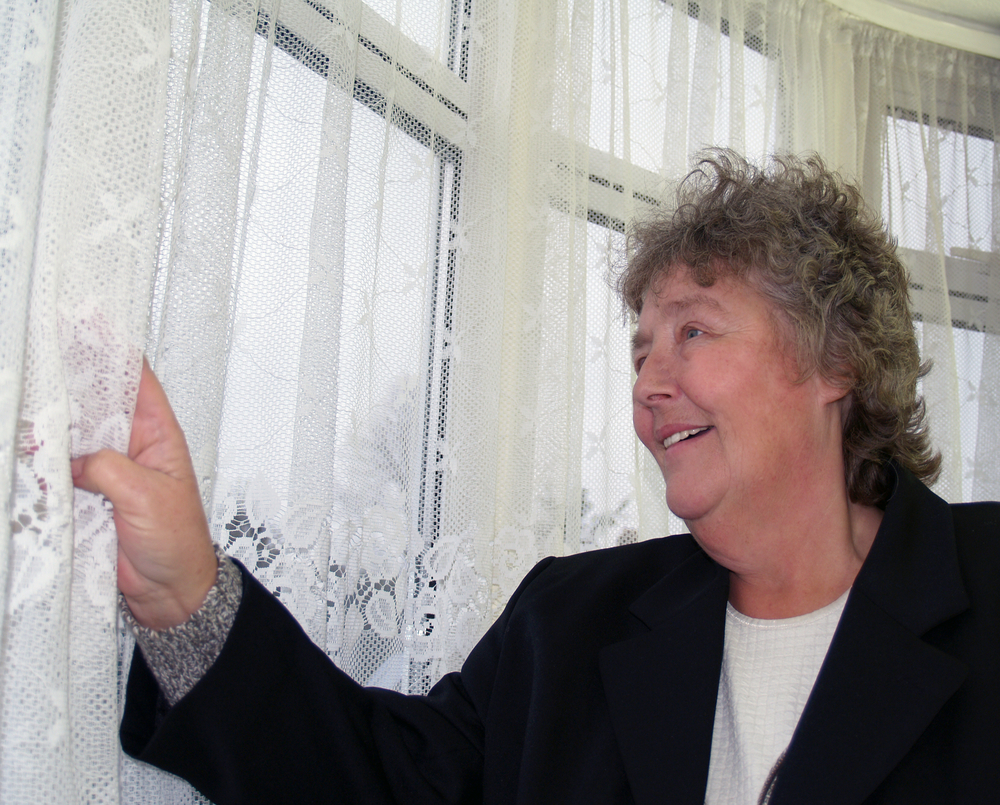
Net curtains

What’s the relationship between violence and psychosis? It’s an emotive debate that’s been running for years. On the one hand we have the net curtain-twitching, tabloid-reading brigade who picture axe-wielding psychopaths as soon as they read the word schizophrenia. On the other we have patients, carers, mental health charities and many clinicians who claim that [read the full story…]

Critical time intervention reduces psychiatric rehospitalisation in homeless people

Homeless man

Recent work by Suzanne Fitzpatrick and colleagues from Heriot Watt University has investigated the experiences of people who are affected by what they call multiple exclusion homelessness; a combination of homelessness, substance misuse, ‘street’ activities such as begging and street drinking, and institutional care (e.g. prison). Their quantitative survey shows that there is considerable overlap [read the full story…]

Individual CBT, with or without family CBT, could be the best first line treatment for people at high risk of schizophrenia

Colour transition

Schizophrenia is a debilitating illness that affects an estimated 25 million people worldwide. People with the condition can experience a huge amount of disability (both social, physical and psychological), but we know that early intervention can help reduce the duration of the illness and prevent further episodes of relapse. People with schizophrenia usually experience a [read the full story…]

NICE publish first guideline for psychosis and schizophrenia in children and young people

shutterstock_60108544

Everyone who read the extracts from Michael Schofield’s memoir, published by the Guardian on January 19th, must surely have been moved by the sometimes harrowing description of his daughter Janni who was diagnosed with child-onset schizophrenia aged just 7 years old. Janni is an exception, as schizophrenia generally starts between the ages of 15 and [read the full story…]

NICE publish new evidence summary on psychosis with coexisting substance misuse

nhs evidence eye

The NICE guideline on psychosis with coexisting substance misuse was published in 2011, which means it’s now nearly 3 years out of date. This is because guidelines take many months to produce, so by the time they are published the evidence in them is 1 year old at best. Some NICE guidelines are supplemented by [read the full story…]

Check out the new BITE-sized mental health summaries from the NIHR CLAHRCs

Screen Shot 2013-01-11 at 09.09.50

Anyone who’s spent any time at all on the Mental Elf website, or any of the other National Elf Service sites, knows that we elves love succinct and focused summaries that are easy to read and quick to digest. It’s always a delight to see other groups publishing similar resources, so I’ve decided today to [read the full story…]

Women and men with mental health problems are significantly more likely to have experienced domestic violence

shutterstock_110273768

The 2010/11 British Crime Survey reported that levels of lifetime partner abuse were 27% in women and 17% in men. The survey concluded that women experience more domestic violence than men and the abuse is more severe and prolonged in women. The Home Office is planning to redefine domestic violence in the coming months, to [read the full story…]