The Mental Elf

Institutional smoking bans reduce secondhand smoke exposure and harms, but more research is needed

It’s been almost 9 years since the introduction of SmokeFree legislation in the UK (although we elves still return from a night out smelling of campfire smoke). However, secondhand smoke is still accountable for 600,000 deaths annually.

Smoke free policies can be implemented at the micro-level (i.e. the individual level or in homes), the meso-level (i.e. in organisations, such as public healthcare facilities, higher education centres and prisons) or the macro-level (i.e. in an entire country). In many countries, smokefree legislation is at the macro-level, although exemptions exist at the meso-level. For example, in the UK, specific rooms in prisons and care homes are exempt from this legislation.

In their Cochrane review, Frazer and colleagues review the evidence for meso-level smoking bans (in venues not typically included in smokefree legislation) on 1) passive smoke exposure, 2) other health-related outcomes and 3) active smoking, including tobacco consumption and smoking prevalence.
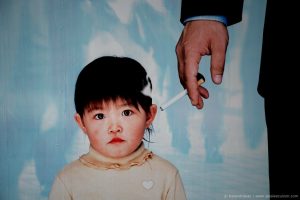
Worldwide, secondhand smoke is still accountable for 600,000 deaths annually.

Methods

Identification of included studies

The authors searched online databases of clinical trials, reference lists of identified studies and contacted authors to identify ongoing studies. Studies were included if they:

The introduction of smoking bans in psychiatric hospitals and prisons is extremely controversial.

Results

Characteristics of included studies

No randomised controlled trials (RCTs) were found. 17 observational studies were identified (three using a controlled before-and-after design with another site for comparison and 14 using an uncontrolled before-and-after design). Of these 17 studies:

  • 12 were based in hospitals;
  • 3 in prisons;
  • 2 in universities.

Five studies investigated the impact of smoking bans on two participant groups (i.e. staff and either patients or prisoners).

The 17 studies were conducted in 8 countries: the USA (6 studies), Spain (3 studies), Switzerland (3 studies), Australia, Canada, Croatia, Ireland and Japan (all 1 study). Eight of these were conducted in US states or countries with macro-level (i.e. national) smoke-free legislation, eight with no legislative bans and one which compared all 50 US states (some with national bans and others without).

Main findings

There was considerable heterogeneity between the 17 studies and so a meta-analysis of all studies was not conducted. Instead studies were analysed using a qualitative narrative synthesis according to each of the outcome measures:

Reducing secondhand smoke exposure

Four studies assessed secondhand smoke exposure, finding that a reduction in exposure was observed in all three settings after smoking bans. However, none of the studies in the review used a biochemically validated measure of smoke exposure such as cotinine or carbon monoxide levels.

Other health outcomes

Four studies examined the impact of partial or complete smoking bans on health outcomes including smoking-related mortality. Two were conducted in prisons, one in a hospital and one in a secure mental hospital (Etter et al, 2007). All of these studies observed improvements in smoking-related morbidity and mortality after smoking bans. One of these assessed the impact of smoking bans in prisons in all 50 US states and found that smoking-related mortality was reduced in those prisons that had a smoking ban for more than 9 years.

Tobacco consumption and smoking prevalence

Thirteen studies reported data on the effect of smoking bans on smoking prevalence and five of these reported data on two populations within settings (i.e. prisoners and prison staff).

Eleven of these studies were included in a meta-analysis (using the Mantel-Haenszel fixed-effect method) and the data from the 12,485 participants in these studies was pooled. Although there was considerable heterogeneity between these studies (I2 = 72%; where a higher I2 value is evidence of higher levels of heterogeneity), this heterogeneity was lower within subgroups (e.g. in prisoners or hospital staff).

Ten studies conducted in hospital settings found mixed evidence for the impact of smoking bans on smoking prevalence. Eight of these studies were included in the meta-analysis and there was evidence that smoking bans reduced active smoking rates among hospital staff (risk ratio (RR) 0.71, 95% confidence interval (CI) 0.64 to 0.78, n = 4,544, I2 = 76%) and patients (RR 0.84, CI 0.76 to 0.98, n = 1442, I2 = 20%).

The one study in a prison setting found no evidence of a change in smoking prevalence among staff or prisoners after a smoking ban (RR 0.99, CI 0.84 to 1.16, n = 130).

Two studies in university settings observed reductions in smoking prevalence after smoking bans (RR 0.72, CI 0.64 to 0.80, n = 6,369, I2 = 59%), although one study only observed this among male ‘frequent’ smokers.

Quality of the evidence

The evidence was judged to be of low quality as all of the studies were observational (none used a RCT design) and the risk of bias was rated as high.

Banning smoking in hospitals and universities increased the number of smoking quit attempts and reduced the number of people smoking.

Conclusion

Overall, this review finds evidence of smoking bans on:

  • reducing smoking prevalence in hospitals and universities, with the greatest reductions among hospital staff;
  • reduced mortality and exposure to secondhand smoke in hospitals, universities and prisons.

Limitations

The quality of the evidence was low and the authors conclude that ‘we therefore need more robust studies assessing evidence for smoking bans and policies in these important specialist settings’. Limitations with the studies included in the review include: small sample sizes in some studies, a lack of a control location for comparison in all but three studies and a high level of heterogeneity between and within the different settings (e.g. the hospital settings included a cancer hospital, psychiatric hospitals and general hospitals).

We need more robust studies assessing the evidence for smoking bans and policies in specialist settings.

Discussion

The authors report that given this evidence, smoking bans at the meso-level should be considered as part of multifactorial tobacco control activities to reduce secondhand smoke exposure and smoking prevalence.

Given that the introduction of these bans particularly in psychiatric hospitals and prisons is controversial, the introduction of these bans should be sensitive to the needs of populations. For example, bans in psychiatric hospitals should be implemented in consultation with psychiatrists to ensure that the improved health outcomes of patients is considered first and foremost. As the evidence is currently weak, with a high risk of bias, any interventions should be closely monitored.

More robust studies are needed, using a control group for comparison, assessing smoke exposure using biochemically validated measures, using long-term follow-ups of at least 6 months and reporting smoking prevalence both before and after the introduction of the ban.

It is not possible to draw firm conclusions about institutional smoking bans from the current evidence.

Links

Primary paper

Frazer K, McHugh J, Callinan JE, Kelleher C. (2016) Impact of institutional smoking bans on reducing harms and secondhand smoke exposure. Cochrane Database of Systematic Reviews 2016, Issue 5. Art. No.: CD011856. DOI: 10.1002/14651858.CD011856.pub2.

Other references

Etter M, Etter JF. (2007) Acceptability and impact of a partial smoking ban in a psychiatric hospital.. Preventive Medicine 2007;44(1):649. [PubMed abstract]

Photo credits

Add a comment
  • Smoke-free policy associated with reduction in physical violence

    Smoke-free policy associated with reduction in physical violence

    9 years ago
    […] but if you’re interested in these issues, I’ve previously blogged about the impact of institutional smoke-free policies on second-hand smoke exposure and smoke-free policies in psychiatric hospitals on smoking behaviour for the Mental […]
  • NHS_KS

    NHS_KS

    9 years ago
    RT @Mental_Elf: It's not possible to draw firm conclusions about institutional smoking bans from current evidence, say @CochraneTAG https:/…
  • Voices4ChoicesT

    Voices4ChoicesT

    9 years ago
    RT @Mental_Elf: Don't miss: Institutional smoking bans reduce secondhand smoke exposure & harms, but more research is needed https://t.co/2…
  • abelpsy

    abelpsy

    9 years ago
    RT @Mental_Elf: We need more robust studies assessing the evidence for smoking bans & policies in inpatient units & prisons https://t.co/27…
  • CochraneTAG

    CochraneTAG

    9 years ago
    RT @Mental_Elf: It's not possible to draw firm conclusions about institutional smoking bans from current evidence, say @CochraneTAG https:/…
  • kim_bones

    kim_bones

    9 years ago
    RT @Mental_Elf: Institutional smoking bans reduce secondhand smoke exposure and harms, but more research is needed https://t.co/27SYJNFRUU
  • cleanair4kids

    cleanair4kids

    9 years ago
    RT @OliviaMaynard17: Institutional smoking bans reduce smoke exposure & harms, but more research is needed - my new @Mental_Elf blog https:…
  • Nickyfearon

    Nickyfearon

    9 years ago
    RT @Mental_Elf: It's not possible to draw firm conclusions about institutional smoking bans from current evidence, say @CochraneTAG https:/…
  • DrMikePsych

    DrMikePsych

    9 years ago
    Anyone can ban stuff ??? But to ⬇️ ? & ⬆️ health Needs ⏫ respect Else it's not ? It's no ? @Mental_Elf https://t.co/DISFiV0UiR
  • MHLonline

    MHLonline

    9 years ago
    RT @Mental_Elf: Institutional smoking bans reduce secondhand smoke exposure and harms, but more research is needed https://t.co/27SYJNFRUU
  • jenpryboda

    jenpryboda

    9 years ago
    RT @Mental_Elf: Don't miss: Institutional smoking bans reduce secondhand smoke exposure & harms, but more research is needed https://t.co/2…
  • Mental_Elf

    Mental_Elf

    9 years ago
    Don't miss: Institutional smoking bans reduce secondhand smoke exposure & harms, but more research is needed https://t.co/27SYJNXtju #EBP
  • jon_burgoyne

    jon_burgoyne

    9 years ago
    RT @Mental_Elf: It's not possible to draw firm conclusions about institutional smoking bans from current evidence, say @CochraneTAG https:/…
  • Mental_Elf

    Mental_Elf

    9 years ago
    It's not possible to draw firm conclusions about institutional smoking bans from current evidence, say @CochraneTAG https://t.co/27SYJNXtju
  • felly500

    felly500

    9 years ago
    "Institutional smoking bans reduce 2nd hand smoke exposure & harms, more research is needed-summary of Cochrane Rev. https://t.co/E5VR4YsoxZ
  • caringcapitalis

    caringcapitalis

    9 years ago
    @DrFulli @Mental_Elf Tobacco is evil full stop! Your pension may well be invested in it though :-( Killing the young in the developing world
  • JoeJudgePsy

    JoeJudgePsy

    9 years ago
    RT @Mental_Elf: The introduction of smoking bans in psychiatric hospitals & prisons is extremely controversial https://t.co/27SYJNXtju
  • OPDI

    OPDI

    9 years ago
    RT @Mental_Elf: The introduction of smoking bans in psychiatric hospitals & prisons is extremely controversial https://t.co/27SYJNXtju
  • IOWNHSLibrary

    IOWNHSLibrary

    9 years ago
    RT @Mental_Elf: The introduction of smoking bans in psychiatric hospitals & prisons is extremely controversial https://t.co/27SYJNXtju
  • BCUHB_Libraries

    BCUHB_Libraries

    9 years ago
    RT @Mental_Elf: The introduction of smoking bans in psychiatric hospitals & prisons is extremely controversial https://t.co/27SYJNXtju
  • safehavencafeUK

    safehavencafeUK

    9 years ago
    @Mental_Elf findings helpful but were looking at physical health effects. need studies quantifying 'overall' effects pro/con in MH settings
  • Nickyfearon

    Nickyfearon

    9 years ago
    RT @Mental_Elf: We need more robust studies assessing the evidence for smoking bans & policies in inpatient units & prisons https://t.co/27…
  • Mental_Elf

    Mental_Elf

    9 years ago
    The introduction of smoking bans in psychiatric hospitals & prisons is extremely controversial https://t.co/27SYJNXtju
  • JoeMcclernon

    JoeMcclernon

    9 years ago
    RT @OliviaMaynard17: Institutional smoking bans reduce smoke exposure & harms, but more research is needed - my new @Mental_Elf blog https:…
  • Marzena Szczepanska

    Marzena Szczepanska

    9 years ago
    Marzena Szczepanska liked this on Facebook.
  • Hampshire Healthcare Library Service

    Hampshire Healthcare Library Service

    9 years ago
    Hampshire Healthcare Library Service liked this on Facebook.
  • soozaphone

    soozaphone

    9 years ago
    RT @OliviaMaynard17: Institutional smoking bans reduce smoke exposure & harms, but more research is needed - my new @Mental_Elf blog https:…
  • JayDuckworth

    JayDuckworth

    9 years ago
    RT @OliviaMaynard17: Institutional smoking bans reduce smoke exposure & harms, but more research is needed - my new @Mental_Elf blog https:…
  • DrFulli

    DrFulli

    9 years ago
    .@Mental_Elf Hard to overstate the life endangering of passive smoking in MI in wards & 1st time patients starting to smoke as in-patients.
  • DrFulli

    DrFulli

    9 years ago
    .@caringcapitalis @Mental_Elf Who would want to select nurses, CPs&MDs who don't care about physical health starting with tobacco in wards?
  • caringcapitalis

    caringcapitalis

    9 years ago
    @DrFulli @Mental_Elf Yes
  • DrFulli

    DrFulli

    9 years ago
    .@Mental_Elf Don't Non smoking patients & health workers-especially pregnant women & future babies- need protection from passive smoking ?
  • UoC_LD

    UoC_LD

    9 years ago
    RT @Mental_Elf: We need more robust studies assessing the evidence for smoking bans & policies in inpatient units & prisons https://t.co/27…
  • GrahamGords1001

    GrahamGords1001

    9 years ago
    RT @Mental_Elf: We need more robust studies assessing the evidence for smoking bans & policies in inpatient units & prisons https://t.co/27…
  • MarcosLupo

    MarcosLupo

    9 years ago
    Institutional smoking bans reduce secondhand smoke exposure and harms, but more research is needed https://t.co/mcuv0Eoc0w via @AddictionUea
  • Twigolet

    Twigolet

    9 years ago
    RT @Mental_Elf: We need more robust studies assessing the evidence for smoking bans & policies in inpatient units & prisons https://t.co/27…
  • smokefreelifeOx

    smokefreelifeOx

    9 years ago
    RT @OliviaMaynard17: Institutional smoking bans reduce smoke exposure & harms, but more research is needed - my new @Mental_Elf blog https:…
  • Mental_Elf

    Mental_Elf

    9 years ago
    RT @OliviaMaynard17: Institutional smoking bans reduce smoke exposure & harms, but more research is needed - my new @Mental_Elf blog https:…
  • annekeen55

    annekeen55

    9 years ago
    RT @Mental_Elf: We need more robust studies assessing the evidence for smoking bans & policies in inpatient units & prisons https://t.co/27…
  • Lizzie_Fitch

    Lizzie_Fitch

    9 years ago
    RT @Mental_Elf: We need more robust studies assessing the evidence for smoking bans & policies in inpatient units & prisons https://t.co/27…
  • The Mental Elf

    The Mental Elf

    9 years ago
    The Mental Elf liked this on Facebook.
  • André Tomlin

    André Tomlin

    9 years ago
    André Tomlin liked this on Facebook.
  • Intl_Nurses

    Intl_Nurses

    9 years ago
    RT @Mental_Elf: We need more robust studies assessing the evidence for smoking bans & policies in inpatient units & prisons https://t.co/27…
  • angela_sheard

    angela_sheard

    9 years ago
    RT @Mental_Elf: We need more robust studies assessing the evidence for smoking bans & policies in inpatient units & prisons https://t.co/27…
  • Mental_Elf

    Mental_Elf

    9 years ago
    We need more robust studies assessing the evidence for smoking bans & policies in inpatient units & prisons https://t.co/27SYJNXtju
  • OliviaMaynard17

    OliviaMaynard17

    9 years ago
    Institutional smoking bans reduce smoke exposure & harms, but more research is needed - my new @Mental_Elf blog https://t.co/RAL9EuB6M3
  • Debbie Dobson

    Debbie Dobson

    9 years ago
    Debbie Dobson liked this on Facebook.
  • Jeffery L. Hayden

    Jeffery L. Hayden

    9 years ago
    Jeffery L. Hayden liked this on Facebook.
  • CochraneTAG

    CochraneTAG

    9 years ago
    RT @Mental_Elf: Today @OliviaMaynard17 on @CochraneTAG systematic review of institutional smoking bans https://t.co/27SYJNXtju
  • Intl_Nurses

    Intl_Nurses

    9 years ago
    RT @Mental_Elf: Today @OliviaMaynard17 on @CochraneTAG systematic review of institutional smoking bans https://t.co/27SYJNXtju
  • Mental_Elf

    Mental_Elf

    9 years ago
    Today @OliviaMaynard17 on @CochraneTAG systematic review of institutional smoking bans https://t.co/27SYJNXtju
  • Jeffery L. Hayden

    Jeffery L. Hayden

    9 years ago
    What of this? http://www.forbes.com/sites/danielfisher/2013/12/12/study-finds-no-link-between-secondhand-smoke-and-cancer/#60d6893f623f
  • POPPED_Project

    POPPED_Project

    9 years ago
    RT @Mental_Elf: Institutional smoking bans reduce secondhand smoke exposure and harms, but more research is needed https://t.co/27SYJNFRUU
  • SciSeekFeed

    SciSeekFeed

    9 years ago
    Institutional smoking bans reduce secondhand smoke exposure and harms, but more research is needed https://t.co/tcqIGE8WZT
  • MHARG_york

    MHARG_york

    9 years ago
    RT @Mental_Elf: Institutional smoking bans reduce secondhand smoke exposure and harms, but more research is needed https://t.co/27SYJNFRUU
  • iVivekMisra

    iVivekMisra

    9 years ago
    Institutional smoking bans reduce secondhand smoke exposure and harms, but… https://t.co/bIyPqo0CxW #MentalHealth https://t.co/JmZHGWNOOy
  • LPTresearch

    LPTresearch

    9 years ago
    RT @Mental_Elf: Institutional smoking bans reduce secondhand smoke exposure and harms, but more research is needed https://t.co/27SYJNFRUU
  • BecsBird

    BecsBird

    9 years ago
    RT @Mental_Elf: Institutional smoking bans reduce secondhand smoke exposure and harms, but more research is needed https://t.co/27SYJNFRUU