Derek Richards

Profile photo of Derek Richards
Derek Richards is a specialist in dental public health, Director of the Centre for Evidence-Based Dentistry and Specialist Advisor to the Scottish Dental Clinical Effectiveness Programme (SDCEP) Development Team. A former editor of the Evidence-Based Dentistry Journal and chief blogger for the Dental Elf website until December 2023. Derek has been involved with a wide range of evidence-based initiatives both nationally and internationally since 1994. Derek retired from the NHS in 2019 remaining as a part-time senior lecturer at Dundee Dental School until the end of 2023.
Website

Follow me here –

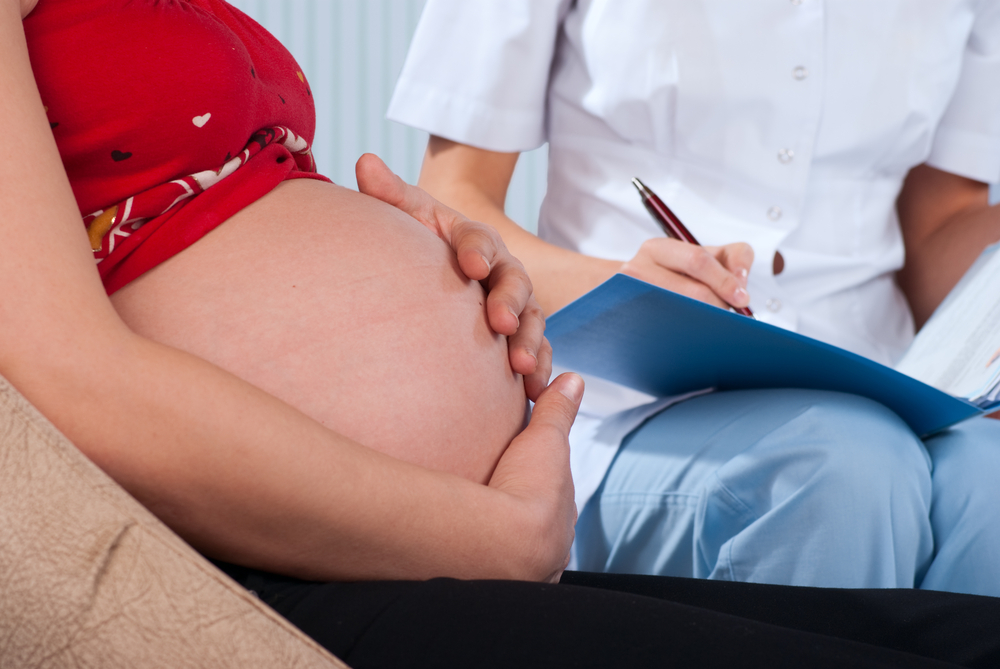
Periodontal treatment, pre-term birth and low birth weight

shutterstock_113989924  - periodontitis

Periodontal disease is common as is pregnancy and preterm labour is a complication in 10-15% of all pregnancies.  It is therefore not unsurprising that an association between periodontal disease and pre-term labour has been noted in a number of studies.  The aim of this latest review was quantify the relationship between periodontal disease, preterm birth [read the full story…]

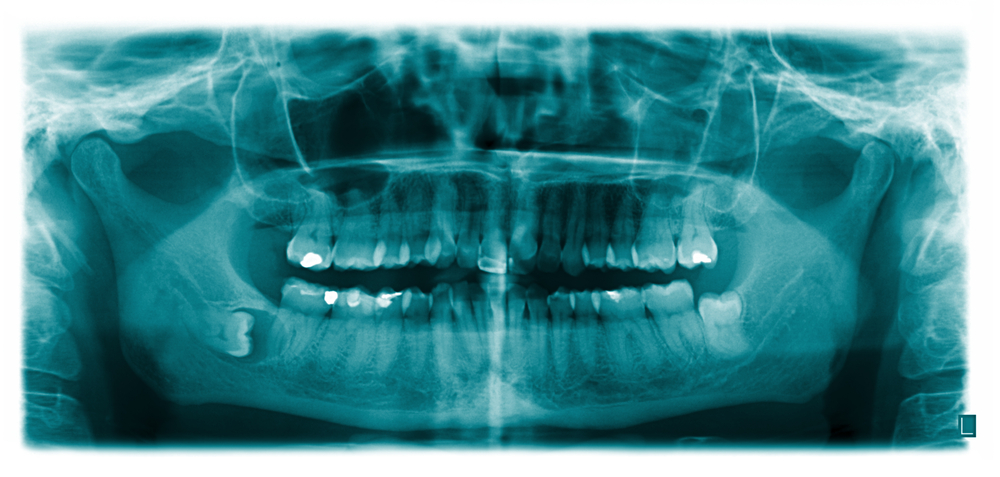
Study suggests that systemic antibiotics are not necessary for single dental implant placement

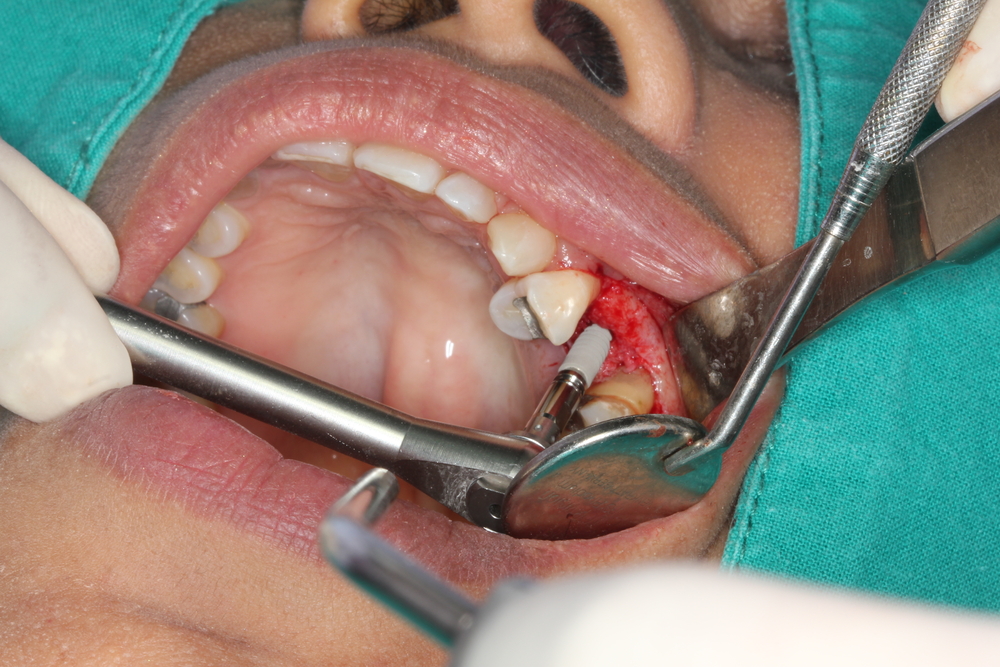
shutterstock_97814552

The use of systemic antibiotics during dental implant placement has been controversial, with some authors claiming higher survival rates with peri-operative antibiotic use.  The aim of this multi-centre trial was to assess the effect of various systemic antibiotic prophylaxis regimes on patient- reported outcomes and postsurgical complications in patients undergoing conventional implant placement. Following establishment [read the full story…]

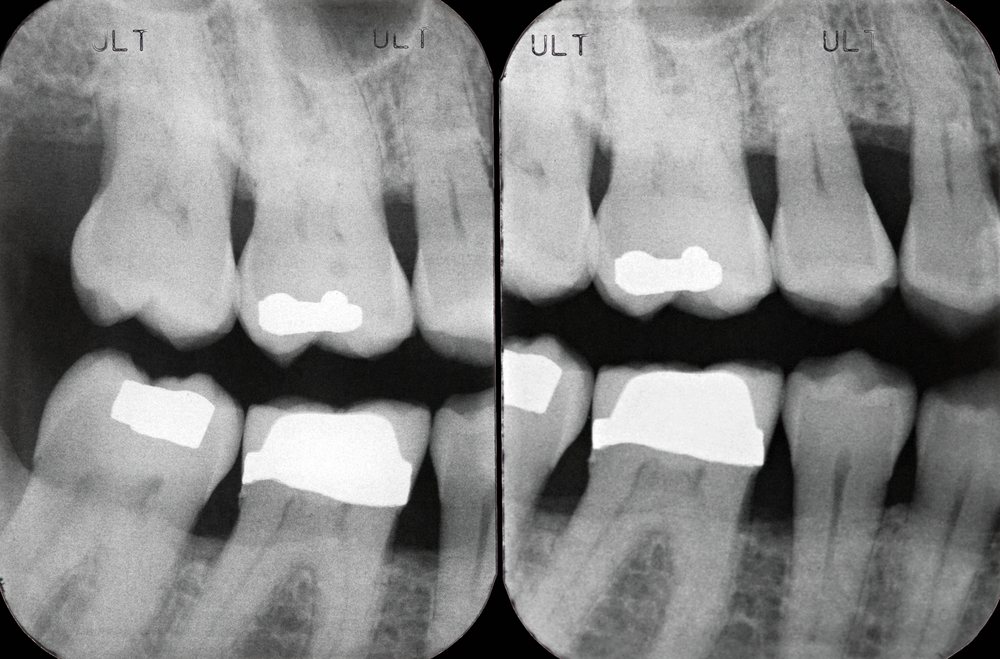
Visual examination still the best way of detecting early carious lesions

shutterstock_67512859 - dental examination

Yesterday we looked at the management of large carious lesions and today we are considering the other end of the caries process, the detection of the early or non-cavitated carious lesion (NCCLs).   With changes in the severity of dental disease in some population there has been more interest in the identification and management of the [read the full story…]

Review suggests that incomplete caries removal advantageous, particularly in deep cavities

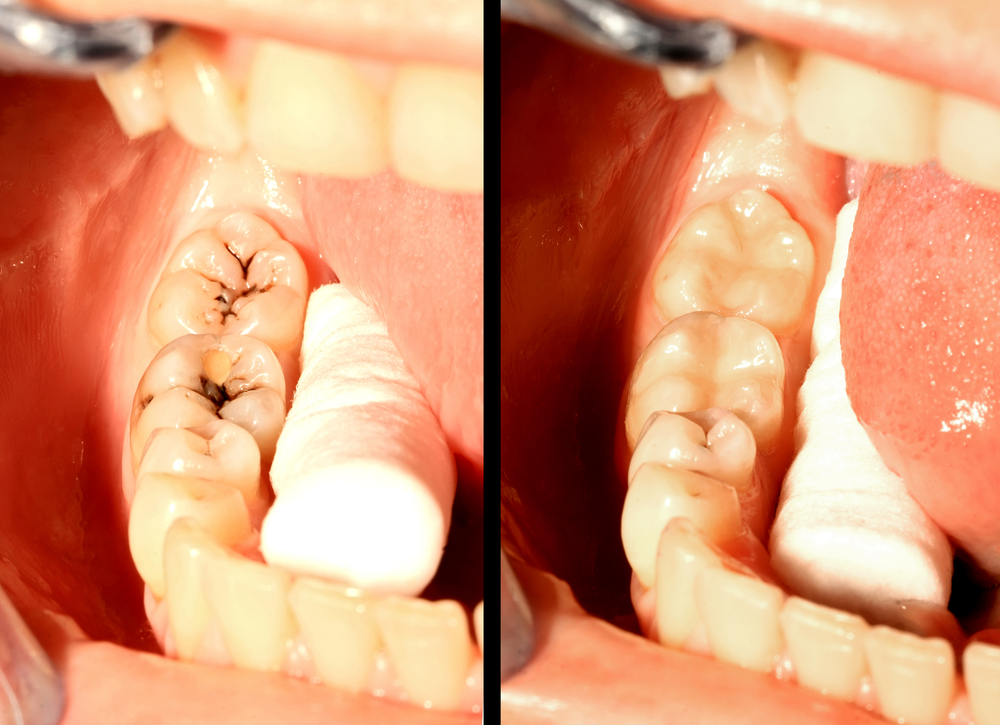
shutterstock_34500700 - caries sign

The traditional approach to treatment of dental caries has been complete removal and subsequent restoration.  During the past decade this approach has been challenged, based on a greater understanding of the disease process.  The focus being on adequate restorations rather than a complete excavation of caries, with particular benefits for the treatment of deep caries. [read the full story…]

Small trial suggests a potential benefit for combination of triamcinolone acetonide and salvianolic acid B for Oral submucous fibrosis patients

shutterstock_32414035 - Betel leaf

Oral submucous fibrosis (OSF) is characterized by chronic inflammation and progressive subepithelial connective tissue fibrosis. This can involve the oral cavity, pharynx and upper third of the oesphagus. It is more commonly found in patients in the Asian subcontinent and the Far East.  The aetiology is considered to be multi-factorial with areca nut chewing, nutritional [read the full story…]

Pregnancy and gingival inflammation

shutterstock_64380988

Hormonal changes during pregnancy are considered to affect the response of the gingival tissues, with studies suggesting that  36% – 100%  of pregnant women suffer pregnancy gingivitis.  The aim of this review was to assess the effect of pregnancy on systemically healthy women in terms of gingival inflammation. The Medline and Embase databases were searched [read the full story…]

Trail showed that distant feedback improved quality of panoramic radiographs in short term.

shutterstock_75860806

  Panoramic radiographs are regularly used in dental practice and a number of studies have highlighted that the quality of these films is often less the optimal.T he aim of this trial was to assess the value of a quality improvement programme for panoramic radiography. 40 volunteer dental practices were randomly allocated to active (n=20) [read the full story…]

Critical summary from the American Dental Association Center for Evidence-based Dentistry

iStock_000014314701XSmall dental implant

This new critical summary is of a 2011 review by Pommer et al that compared survival rates of shorter dental implants (see Dental Elf 18th July 2011). The reviewer highlights a number of methodological shortcomings in the review. Only English language articles were included and outcomes were reported on an implant rather than a patient [read the full story…]

Only weak evidence available to support the use of intra- articular corticosteroids in treatment of temporomandibular joint arthritis in patients with juvenile idiopathic arthritis

shutterstock_116897095 - Child toothache

Temporomandibular joint (TMJ) involvement is seen in patients with juvenile idiopathic arthritis (JIA). Interventions for TMJ arthritis in these patients are aimed at maintaining joint function and reducing symptoms and avoiding permanent damage to the joint components. Treatment of the TMJ has included intra- articular corticosteroid injection (IACI). However there are concerns that while there [read the full story…]

Lack of evidence to support an association between occlusal risk factors and non-carious cervical lesions

shutterstock_52040509 - Rusty cogs

Loss of tooth surface in the cervical areas of the tooth unrelated to caries, or non-carious cervical lesions (NCCL) have been reported to occur in prevalences of between 5-85%.  These lesions can be the result of attrition, abrasion or erosion. The potential of occlusal stress to be a factor leading to abfraction has also been [read the full story…]