Derek Richards

Profile photo of Derek Richards
Derek Richards is a specialist in dental public health, Director of the Centre for Evidence-Based Dentistry and Specialist Advisor to the Scottish Dental Clinical Effectiveness Programme (SDCEP) Development Team. A former editor of the Evidence-Based Dentistry Journal and chief blogger for the Dental Elf website until December 2023. Derek has been involved with a wide range of evidence-based initiatives both nationally and internationally since 1994. Derek retired from the NHS in 2019 remaining as a part-time senior lecturer at Dundee Dental School until the end of 2023.
Website

Follow me here –

Lack of evidence to highlight differences in peri-implant bone loss between cement and screw retained prosthesis

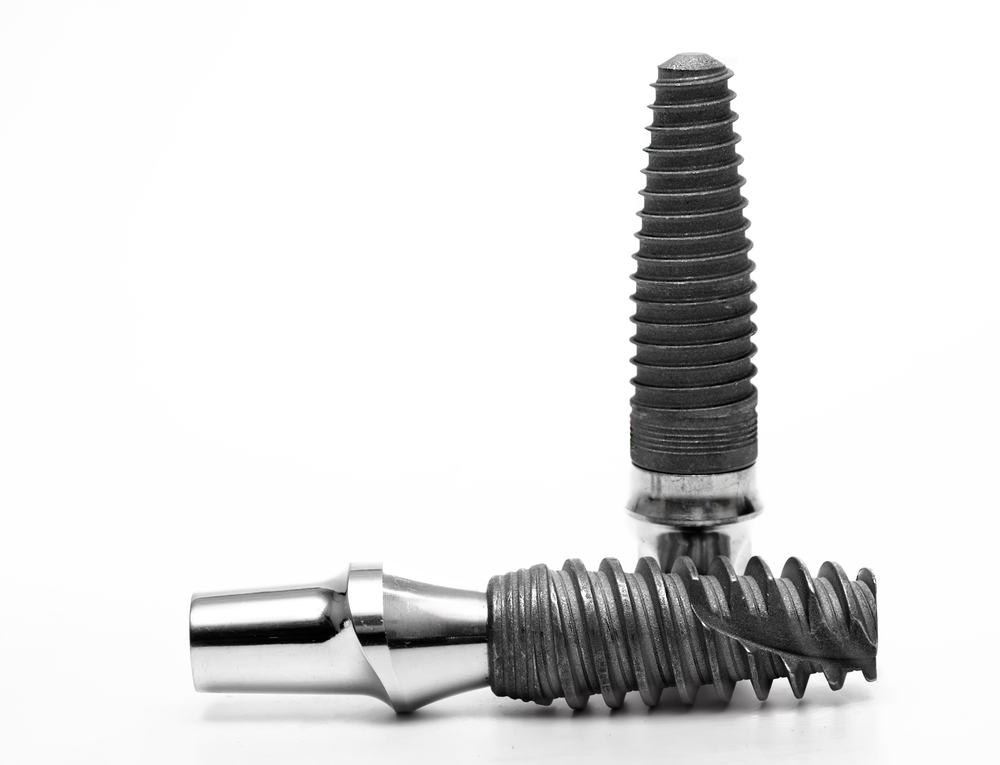
shutterstock_70163050 dental implants

Peri-implant bone loss is one parameter used to evaluate the success of dental implants.  The aim of this review was to compare peri-implant bone loss between cement and screw retained prosthesis. The Medline, SCOPUS, ISI Web of Knowledge and Cochrane Central Register of Controlled Trials (CENTRAL) databases were searched. Five journals were hand searched. Randomised [read the full story…]

Evidence-based guidelines for cone beam CT for dental and maxillofacial radiology

shutterstock_63657280 - Panoramic x-ray machine

Last year evidence-based guidelines for cone beam CT  (CBCT) were published as part of the SEDENTEXCT project.  The guideline is an extensive document that covers many aspect of this developing area.  The guideline is based on an extensive review of the available literature and the following categories were considered:- Radiation dose and risk Justification for [read the full story…]

Which pulp dressing after pulpotomy in primary molars?

shutterstock_72680830 - erupting incisors & caries

The aim of this study was to compare the use of ferric sulphate (FS), formocresol (FC), mineral trioxide aggregate (MTA) and sodium hypochlorite (NaOCl) as pulp dressing following pulpotomy in primary molars. Symptom-free vital primary molars with carious pulp exposure with the possibility of proper restoration of the teeth with a minimum of three walls [read the full story…]

More evidence for the effectiveness of fluoride varnish in younger children.

shutterstock_123237172 - Australian Art

There is substantive evidence from systematic reviews for the effectiveness of fluoride varnish (FV)  in caries prevention (Marhino et al 2002). The aim of this study (Divaris  et al 2012) was to assess whether there were differential effects for  FV according to tooth surface and baseline pathology. This was a secondary analysis of a cluster-randomised [read the full story…]

Study suggest 84% survival of composite filings in children and adolescents after eight years

shutterstock_54042145 - Child, dentists & X-ray

The aim of this study was to assess the durability of Class I and class II composite resin restorations (CRR) in children and adolescents placed in Public Dental Health Service (PDHS ) clinics. The was a prospective study all children and adolescents up to 18 years treated between November 1998 and December 2002 in all [read the full story…]

Limited available evidence suggests that a one-step impression technique is sufficient for the majority of edentulous patients

shutterstock_24108289

Obtaining an accurate impression of the potential denture supporting area is a key stage in the construction of complete dentures.  Traditionally a two-stage procedure has been recommended.  The aim of this review was to assess the effectiveness of different impression materials and techniques used in complete denture construction. Medline/PubMed and the Cochrane Library were searched together [read the full story…]

Trial found little difference between three post orthodontic retention methods

shutterstock_69850990- vacuum splint

Following orthodontic treatment almost every patient will require a period of retention without which there is a tendency for teeth to return to their initial position.  The aim of this trial was to compare three different retention methods. Patient s completing a first course of orthodontic treatment were randomized into three retention methods: vacuum-formed retainer [read the full story…]

Evidence for the effectiveness and cost effectiveness of dental auxiliaries in improving oral health outcomes limited

shutterstock_113645101- dental chair and hands

Access to oral health care is difficult in many parts of the world.  One way of improving this is by delegating tasks traditionally undertaken by dentists to other members of the dental team.  The question addressed by this review by Wright et al was: – In populations where non-dentists conduct diagnostic, treatment planning, and/or irreversible/surgical [read the full story…]

Trial suggests that regular brushing as effective as MI paste or fluoride varnish in reducing white spot lesions post orthodontic treatment

iStock_000002551343XSmall colourful braces on teeth

One of the adverse effects of orthodontic treatment is the development of white spot lesions (WSLs). The incidence of these early carious lesions has been reported to vary between 5-97% . The aim of this trial was to effectiveness of MI Paste Plus and PreviDent fluoride varnish (22,600 ppm of fluoride) with a standard oral [read the full story…]

Latest critical summaries from the American Dental Association Center for Evidence-based Dentistry

shutterstock_73917457

Two new critical summaries are now available from the ADA-EBD website. First is a summary of a 2012 systematic review by Zandbergen et al that looked the systemic administration of amoxicillin and metronidazole as an adjunct to scaling and root planning (Dental Elf 25th May 2012). The review notes that there was no comparison in [read the full story…]