

The Mental Elf

Recovery review highlights rhetoric-evidence gap: does that CHIME with you?

Recovery has become a hotly contested concept in UK mental health circles, with the potential to liberate and enrage in roughly equal measure. It is perhaps a mark of the extent to which recovery has moved from the margins to the mainstream of dialogue that there is now an active anti-recovery movement, concerned with what is seen as the professional appropriation of a concept borne out of the frustration of people in receipt of services that were insufficiently concerned with personally defined recovery.

A scan of the previous Elf blogs about recovery also speaks to a tension. You can variously read about the interaction between risk, relationships and recovery, the effectiveness of recovery training, the role of care planning and the differing interpretations of the term. All interesting and important subjects, but all concerned with recovery in the world of services. Conversely we can identify one review of personal recovery. This lack of balance in the application and interpretation of a profoundly personal experience to policy and practice features in the findings of a helpful new review of personal recovery.
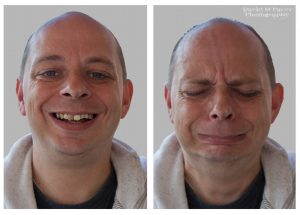
Conversations about mental health recovery: engaging or enraging?

Methods

A method known as best-fit framework synthesis was used to assess the extent to which the literature identified in the review was accommodated by the pre-existing CHIME conceptual framework (Leamy M. et al, 2011). CHIME stands for the recovery supporting elements of:

  • Connectedness,
  • Hope and optimism,
  • Identity,
  • Meaning in life and
  • Empowerment.

It was developed through a previous review of literature it has been widely applied in a range of settings.

PsycINFO, Medline, Embase or the Joanna Briggs Institute database were searched. Data reviewed were the results sections of the identified papers with line by line coding against the CHIME elements. Where new codes were identified these were grouped under newly generated themes. Only peer reviewed articles written in English which were concerned with the analysis of primary data about personal experiences of recovery were included. Quality was reviewed against published guidelines.

A broad set of search terms were applied across four electronic databases initially generating close to 3000 papers. Through a review of titles and abstract, and then full texts, this was whittled down 15 studies. Three additional papers identified through hand searching led to a final total of 18 papers included in the review.

Results

CHIME themes accounted for 68% of the data reviewed. The remaining 32% of data were included within four additionally generated themes. These were:

  • Difficulties;
  • Therapeutic input;
  • Acceptance and mindful awareness; and
  • Returning to, or desiring, normality.

Conclusions

The authors conclude that the CHIME framework was insufficiently broad to capture the breadth of recovery experiences assessed in their review and that its expansion should be considered to inform a fuller understanding. They argue CHIME is an over optimistic view of recovery, which fails to acknowledge the considerable challenges inherent in living with and overcoming mental distress:

The simple expansion of the CHIME model of recovery into CHIME-D, more explicitly acknowledging Difficulties, might be a small step towards this end.

Many of these difficulties are underpinned by social inequality and the authors make a strong case for researchers and practitioners to be more concerned not just with understanding these realities, but also with actively challenging them.

One third of the data identified by this review did not fit the existing CHIME framework.

Strengths and limitations

This is a rigorous review which clearly described the methods applied to assess the identified papers. The application of a robust quality assessment process was also clearly described; highlighting concerns about the quality of a number of included studies and indeed leading to the omission of three papers. This level of rigour is to be commended in academic terms, but nods to another of the tensions in recovery research and promotion which the authors do acknowledge. Put simply a great deal of what we understand about lived experiences of recovery never gets near academic publication. The authors suggestion that researchers should be aware of their privilege in generating knowledge about recovery feels slightly hollow in the context of a review of which was solely concerned with knowledge shared in high quality research papers published in peer reviewed journals. However, as the authors note reviewing non published literature on recovery experiences is a considerable task, beyond the scope of this review and subject to other limitations and biases.

A central criticism of the CHIME conceptual framework from this review is that it fails to adequately take account of the problems and difficulties that can impede recovery, but it is not clear that this was the intention of researchers who developed that framework. Leamy and colleagues reviewed a broader set of literature than was included in this review to: “synthesise published descriptions and models of personal recovery into an empirically based conceptual framework” (Leamy M. et al, 2011, p. 445). That is somewhat different from constructing a framework of elements which help and hinder the process of recovery, which seems to have been the intention of the authors of this review. Perhaps then it is not too much of a surprise that the best fit framework didn’t fit terribly well?

The authors suggest a criticism of qualitative research is that it can be hard to generalise results to the wider population of interest. Meta-synthesis of qualitative studies can to some extent address this criticism by describing results across a wider set of participants and the authors have done an excellent job in that respect. However, this type of synthesis can come with its own problems, not least because the unit of analysis is the results section of papers and not the original research data. These results sections are themselves the products of the original researchers own subjective interpretation and bias and subject to the requirements and interests of different journals.

A great deal of what we understand about lived experiences of recovery never gets near academic publication.

Implications

The promotion and research of recovery is by the very nature of the concept at hand positively oriented. Few researchers with an interest in recovery start with the question: ‘What has stopped you getting better?’ However, as the researchers who undertook this review note, a concern for what has helped recovery should not occur at the expense of an interest in the factors which may get in its way. This review provides a useful wake-up call to recovery enthusiasts and researchers to more fully take account of a broader set of experiences when justifying the application of recovery values. The truth is that as recovery has become part of the language of mental health policy and practice it has been used to justify a broad range of often contradictory actions. I’m thinking, for example, of the day service that is considered a lifeline for recovery by the people who attend but is threatened with closure on the grounds that it’s not being sufficiently recovery-oriented, or recovery being the justification for quickly discharging people from support that they consider central to their recovery.

Despite these challenges, in my view, it’s way too soon for recovery to be consigned to the rubbish bin, but there’s certainly work to be done to inform a fuller understanding and avoid charges of Pollyannaism. Much good has come of recovery and we should be wary of distancing ourselves too much from a concept that has for many reignited a sense of hope and possibility. One aspect of the development of the recovery movement which is often overlooked was the role of longitudinal research in helping us better understand that people, primarily with a diagnosis of schizophrenia, could in fact recover at all. The work of Courtenay Harding and other researchers internationally (Harding et al, 1987) reminded us that, while recovery is not necessarily easy or quick, it can and does happen. That’s a message we must hold on to as we seek to more fully inform our understanding of recovery.

Let's not forget, recovery can happen, but it's often a hard slog on a long road. 
Let’s not forget, recovery can happen, but it’s often a long hard slog up a steep hill.

Conflict of interest

Simon Bradstreet was Director of the Scottish Recovery Network for 12 years.

Links

Primary paper

Stuart SR, Tansey L, Quayle E. (2016) What we talk about when we talk about recovery: a systematic review and best fit framework synthesis of qualitative literature. Journal of Mental Health, Early online 1-14. [Abstract]

Other references

Leamy M, Bird V, Le Boutillier C, Williams J, Slade M. (2011) Conceptual framework for personal recovery in mental health: systematic review and narrative synthesis. The British Journal of Psychiatry : The Journal of Mental Science, 199(6), 445–52.

Harding CM, Brooks GW, Ashikaga T, Strauss JS, Breier A. et al (1987) The Vermont longitudinal study of persons with severe mental illness: I. Methodology, study sample, and overall status 32 years later. American Journal of Psychiatry 144(6): 718-726.


Photo credits

Add a comment
  • The long view: what has really changed with recovery?

    The long view: what has really changed with recovery?

    8 years ago
    […] changes been helpful to people in receipt of them? I’ve written previously in the woodland about the gap between rhetoric and evidence to support recovery approaches. How can we start to bridge that […]
  • 121Therapy

    121Therapy

    9 years ago
    Limitations? Yes! But let's not forget how much of an improvement CHIME is over IAPT's concept of "recovery".
  • SimonMHR

    SimonMHR

    9 years ago
    RT @drheatherfulton: What is #Recovery? @Mental_Elf has an excellent post examining this issue https://t.co/1d9hJ498VJ
  • cpa_phhc

    cpa_phhc

    9 years ago
    RT @drheatherfulton: What is #Recovery? @Mental_Elf has an excellent post examining this issue https://t.co/1d9hJ498VJ
  • drheatherfulton

    drheatherfulton

    9 years ago
    What is #Recovery? @Mental_Elf has an excellent post examining this issue https://t.co/1d9hJ498VJ
  • FuchsiaLotus

    FuchsiaLotus

    9 years ago
    RT @Mental_Elf: A great deal of what we understand about lived experiences of #recovery never gets near academic publication https://t.co/Z…
  • Like_Wild_Fire

    Like_Wild_Fire

    9 years ago
    Interesting new evidence review reveals telling gap: personal experiences of #Recovery #mentalhealth https://t.co/8zHBIiJSkJ via @sharethis
  • elsiexzero

    elsiexzero

    9 years ago
    RT @SimonMHR: Interested in your views on my blog for @Mental_Elf on an important new review of #recovery evidence https://t.co/Oa1i6L5R1z
  • SimonMHR

    SimonMHR

    9 years ago
    Interested in your views on my blog for @Mental_Elf on an important new review of #recovery evidence https://t.co/Oa1i6L5R1z
  • SPSashidharan

    SPSashidharan

    9 years ago
    RT @Mental_Elf: A great deal of what we understand about lived experiences of #recovery never gets near academic publication https://t.co/Z…
  • Richmondpsych

    Richmondpsych

    9 years ago
    RT @Mental_Elf: A great deal of what we understand about lived experiences of #recovery never gets near academic publication https://t.co/Z…
  • Intipton

    Intipton

    9 years ago
    RT @Mental_Elf: Recovery review highlights rhetoric-evidence gap: does that CHIME with you? https://t.co/ZUBmdycto4
  • tootscd

    tootscd

    9 years ago
    RT @Mental_Elf: A great deal of what we understand about lived experiences of #recovery never gets near academic publication https://t.co/Z…
  • Psychiat_Pflege

    Psychiat_Pflege

    9 years ago
    RT @Mental_Elf: Don't miss: Recovery review highlights rhetoric-evidence gap Does that CHIME with you? https://t.co/ZUBmdyu4ME https://t.co…
  • NWMHgrads

    NWMHgrads

    9 years ago
    RT @Mental_Elf: A great deal of what we understand about lived experiences of #recovery never gets near academic publication https://t.co/Z…
  • Jude_Graham_

    Jude_Graham_

    9 years ago
    RT @Mental_Elf: A great deal of what we understand about lived experiences of #recovery never gets near academic publication https://t.co/Z…
  • Christina Armstrong-Graham

    Christina Armstrong-Graham

    9 years ago
    Christina Armstrong-Graham liked this on Facebook.
  • minifeet2

    minifeet2

    9 years ago
    RT @Mental_Elf: A great deal of what we understand about lived experiences of #recovery never gets near academic publication https://t.co/Z…
  • ProfSarahCowley

    ProfSarahCowley

    9 years ago
    RT @Mental_Elf: A great deal of what we understand about lived experiences of #recovery never gets near academic publication https://t.co/Z…
  • LesleySRN

    LesleySRN

    9 years ago
    @Mental_Elf @SimonMHR @RITB_ be very frustrating when talking 'recovery' means people are not truly listened to /understood due to a
  • LesleySRN

    LesleySRN

    9 years ago
    @Mental_Elf @SimonMHR @RITB_ need to talk more about and allow others to talk about challenges and impacts outwith our direct control. Can
  • LesleySRN

    LesleySRN

    9 years ago
    @Mental_Elf @SimonMHR It certainly can be so Simons review 'chimes' with me and why I also like to use @RITB_ Unrecovery Star. Think we do
  • Sal_Barlow

    Sal_Barlow

    9 years ago
    RT @MHlatelife: Recovery review highlights rhetoric-evidence gap: does that CHIME with you? https://t.co/WP5nbPLjNP via @sharethis
  • Mental_Elf

    Mental_Elf

    9 years ago
    Don't miss: Recovery review highlights rhetoric-evidence gap Does that CHIME with you? https://t.co/ZUBmdyu4ME https://t.co/osvskpRubE
  • SimonMHR

    SimonMHR

    9 years ago
    RT @SyneDrum: Recovery review highlights rhetoric-evidence gap: does that CHIME with you? https://t.co/XsNtNWtAqI by @SimonMHR
  • SyneDrum

    SyneDrum

    9 years ago
    Recovery review highlights rhetoric-evidence gap: does that CHIME with you? https://t.co/XsNtNWtAqI by @SimonMHR
  • KeelingJoanne

    KeelingJoanne

    9 years ago
    RT @MHlatelife: Recovery review highlights rhetoric-evidence gap: does that CHIME with you? https://t.co/WP5nbPLjNP via @sharethis
  • MHNEtweets

    MHNEtweets

    9 years ago
    RT @Mental_Elf: A great deal of what we understand about lived experiences of #recovery never gets near academic publication https://t.co/Z…
  • Voices4ChoicesT

    Voices4ChoicesT

    9 years ago
    RT @Mental_Elf: A great deal of what we understand about lived experiences of #recovery never gets near academic publication https://t.co/Z…
  • Elizabeth Collier

    Elizabeth Collier

    9 years ago
    This a good read. At least we have an evidence base to discuss but it is all about adults under 65 years of age. We don't have an evidence base for older people and recovery, only Daley et al 2013 who raise enough issues to show that we need much more.
    • 1 reply
    • Simon Bradstreet
      Simon Bradstreet 9 years ago
      Excellent point Elizabeth. Same can also be said for the dearth of evidence in relation to younger people and recovery as well as for people from minority backgrounds.
  • HWTowerhamlets

    HWTowerhamlets

    9 years ago
    https://t.co/WBaEacnJNz
  • JoeJudgePsy

    JoeJudgePsy

    9 years ago
    RT @Mental_Elf: Today @SimonMHR on a systematic review of #recovery that's a wake-up call to enthusiasts & researchers https://t.co/ZUBmdyu…
  • Lauren_Bishop_

    Lauren_Bishop_

    9 years ago
    RT @Mental_Elf: A great deal of what we understand about lived experiences of #recovery never gets near academic publication https://t.co/Z…
  • RichmondOpus

    RichmondOpus

    9 years ago
    RT @Mental_Elf: A great deal of what we understand about lived experiences of #recovery never gets near academic publication https://t.co/Z…
  • suzannezeedyk

    suzannezeedyk

    9 years ago
    RT @Mental_Elf: A great deal of what we understand about lived experiences of #recovery never gets near academic publication https://t.co/Z…
  • MHARG_york

    MHARG_york

    9 years ago
    RT @Mental_Elf: A great deal of what we understand about lived experiences of #recovery never gets near academic publication https://t.co/Z…
  • m4delen

    m4delen

    9 years ago
    RT @Mental_Elf: Recovery review highlights rhetoric-evidence gap: does that CHIME with you? https://t.co/ZUBmdycto4
  • SameiHuda

    SameiHuda

    9 years ago
    RT @Mental_Elf: Let’s not forget, #Recovery can happen, But it’s often a long hard slog up a steep hill Read @SimonMHR https://t.co/ZUBmdy…
  • Jorjo87

    Jorjo87

    9 years ago
    RT @Mental_Elf: Let’s not forget, #Recovery can happen, But it’s often a long hard slog up a steep hill Read @SimonMHR https://t.co/ZUBmdy…
  • SimonMHR

    SimonMHR

    9 years ago
    Good point. I do wonder if that separation was created in recognition of the gap between personal a... https://t.co/5z2jVF4UTC
  • SimonMHR

    SimonMHR

    9 years ago
    @elsiexzero @Mental_Elf thank you Lisa
  • elsiexzero

    elsiexzero

    9 years ago
    @Mental_Elf @SimonMHR interesting read.
  • JessicaMRussell

    JessicaMRussell

    9 years ago
    RT @Mental_Elf: Today @SimonMHR on a systematic review of #recovery that's a wake-up call to enthusiasts & researchers https://t.co/ZUBmdyu…
  • SimonMHR

    SimonMHR

    9 years ago
    @LesleySRN @Mental_Elf that's a relief - would be interested in your thoughts
  • aijeria

    aijeria

    9 years ago
    RT @Mental_Elf: Let’s not forget, #Recovery can happen, But it’s often a long hard slog up a steep hill Read @SimonMHR https://t.co/ZUBmdy…
  • LesleySRN

    LesleySRN

    9 years ago
    @Mental_Elf @SimonMHR Well that image took me back to school PE and cross country-thankfully hasn't put me off reading!!!
  • Michael Brazendale

    Michael Brazendale

    9 years ago
    I have never been convinced by the separation of clinical and personal "recovery" as separate entities and think it adds to the confusion. For me "recovery" is the process unique to the individual but with themes eg hope, the clinical side ie interventions and symptom focus may or may not be helpful but can be a distraction.
    • 1 reply
    • SimonMHR
      SimonMHR 9 years ago
      Good point. I do wonder if that separation was created in recognition of the gap between personal and clinical interpretations and understandings of recovery.
      • Michael Brazendale
        Michael Brazendale 9 years ago
        I think it would have been better to perhaps use a different name to make that clearer, I think it also has consequences for research etc. as the idea of clinical recovery lends itself to the ideas of RCT's, nearly wrote RTA's, where as the concept and experience of personal recovery is very different and needs an alternative approach.
  • malcolmclayton

    malcolmclayton

    9 years ago
    @SimonMHR @Mental_Elf useful background for my dissertation on how alcohol workers construct recovery with their SU
  • SimonMHR

    SimonMHR

    9 years ago
    RT @Mental_Elf: Let’s not forget, #Recovery can happen, But it’s often a long hard slog up a steep hill Read @SimonMHR https://t.co/ZUBmdy…
  • Mental_Elf

    Mental_Elf

    9 years ago
    Let’s not forget, #Recovery can happen, But it’s often a long hard slog up a steep hill Read @SimonMHR… https://t.co/DVWCuAOHpH
  • MaryBirken

    MaryBirken

    9 years ago
    RT @Mental_Elf: Today @SimonMHR on a systematic review of #recovery that's a wake-up call to enthusiasts & researchers https://t.co/ZUBmdyu…
  • SimonMHR

    SimonMHR

    9 years ago
    @malcolmclayton @Mental_Elf thank you. Glad you find it helpful
  • malcolmclayton

    malcolmclayton

    9 years ago
    @Mental_Elf @SimonMHR another recovery based post, this is very interesting stuff #recovery #dissertation #psychology #research
  • AlresfordBear

    AlresfordBear

    9 years ago
    @DianaRose160 @Mental_Elf @SimonMHR So why do we accept peer as a commonality.
  • NHFTNHSLibrary

    NHFTNHSLibrary

    9 years ago
    #Recovery review highlights rhetoric-#evidence gap: does that CHIME with you? https://t.co/jQ4iMCcwtY from @Mental_Elf #mentalhealth
  • KayFSheldon

    KayFSheldon

    9 years ago
    RT @Mental_Elf: Recovery review highlights rhetoric-evidence gap: does that CHIME with you? https://t.co/ZUBmdycto4
  • NSFTlibrary

    NSFTlibrary

    9 years ago
    RT @Mental_Elf: Today @SimonMHR on a systematic review of #recovery that's a wake-up call to enthusiasts & researchers https://t.co/ZUBmdyu…
  • CouncellAnalyst

    CouncellAnalyst

    9 years ago
    RT @Mental_Elf: Recovery review highlights rhetoric-evidence gap: does that CHIME with you? https://t.co/ZUBmdycto4
  • Chris_d_graham

    Chris_d_graham

    9 years ago
    Useful debate about how we conceptualise ‘recovery’ in #mental #health . #recovery https://t.co/VyIL1ZGAes
  • SimonMHR

    SimonMHR

    9 years ago
    RT @Mental_Elf: Today @SimonMHR on a systematic review of #recovery that's a wake-up call to enthusiasts & researchers https://t.co/ZUBmdyu…
  • SimonMHR

    SimonMHR

    9 years ago
    @DianaRose160 @Mental_Elf or perhaps both personal and social (like most things involving us people)
  • dlgcochrane

    dlgcochrane

    9 years ago
    Recovery review highlights rhetoric-evidence gap: does that CHIME with you? https://t.co/TsWIEIJhoc via @sharethis
  • pietsnoe

    pietsnoe

    9 years ago
    Recovery review highlights rhetoric-evidence gap: does that CHIME with you? https://t.co/2UWScWJl2s via @sharethis
  • musicolivia808

    musicolivia808

    9 years ago
    RT @Breaking_Free_: Recovery review highlights rhetoric-evidence gap: CHIME with you? https://t.co/XnAcuTZFZV
  • Breaking_Free_

    Breaking_Free_

    9 years ago
    Recovery review highlights rhetoric-evidence gap: CHIME with you? https://t.co/XnAcuTZFZV
  • MHARG_york

    MHARG_york

    9 years ago
    RT @Mental_Elf: Today @SimonMHR on a systematic review of #recovery that's a wake-up call to enthusiasts & researchers https://t.co/ZUBmdyu…
  • DianaRose160

    DianaRose160

    9 years ago
    @Mental_Elf @SimonMHR not a wake up call as there seems to be consensus - recovery is personal ie individual. No. Social not equal 'context,
  • 121Therapy

    121Therapy

    9 years ago
    RT @Mental_Elf: Recovery review highlights rhetoric-evidence gap: does that CHIME with you? https://t.co/ZUBmdycto4
  • JohnBaker_Leeds

    JohnBaker_Leeds

    9 years ago
    RT @Mental_Elf: Today @SimonMHR on a systematic review of #recovery that's a wake-up call to enthusiasts & researchers https://t.co/ZUBmdyu…
  • kirsten_iles

    kirsten_iles

    9 years ago
    RT @Mental_Elf: Recovery review highlights rhetoric-evidence gap: does that CHIME with you? https://t.co/ZUBmdycto4
  • Mental_Elf

    Mental_Elf

    9 years ago
    Today @SimonMHR on a systematic review of #recovery that's a wake-up call to enthusiasts & researchers https://t.co/ZUBmdyu4ME
  • Roger Batterbury

    Roger Batterbury

    9 years ago
    Roger Batterbury liked this on Facebook.
  • The Mental Elf

    The Mental Elf

    9 years ago
    The Mental Elf liked this on Facebook.
  • Claire Elizabeth

    Claire Elizabeth

    9 years ago
    Claire Elizabeth liked this on Facebook.
  • SciSeekFeed

    SciSeekFeed

    9 years ago
    Recovery review highlights rhetoric-evidence gap: does that CHIME with you? https://t.co/Mh4TS9HlQS
  • LisaMBrophy

    LisaMBrophy

    9 years ago
    RT @Mental_Elf: Recovery review highlights rhetoric-evidence gap: does that CHIME with you? https://t.co/ZUBmdycto4
  • MHARG_york

    MHARG_york

    9 years ago
    RT @Mental_Elf: Recovery review highlights rhetoric-evidence gap: does that CHIME with you? https://t.co/ZUBmdycto4
  • lkmulvagh

    lkmulvagh

    9 years ago
    RT @Mental_Elf: Recovery review highlights rhetoric-evidence gap: does that CHIME with you? https://t.co/ZUBmdycto4
  • SocialCareElf

    SocialCareElf

    9 years ago
    RT @Mental_Elf: Recovery review highlights rhetoric-evidence gap: does that CHIME with you? https://t.co/ZUBmdycto4
  • RITB_

    RITB_

    9 years ago
    RT @Mental_Elf: Recovery review highlights rhetoric-evidence gap: does that CHIME with you? https://t.co/ZUBmdycto4