


We often hear about postnatal depression, a well-recognised depressive episode in mothers occurring after the birth of their baby. However, 54.2% of women suffering from postnatal depression actually developed their depressive symptoms before or during pregnancy (Burt and Quezada, 2009).
Around 10% of pregnant mothers have depression and this number increases each trimester. Women are less likely to seek out treatment for depression during pregnancy due to concerns over antidepressant use (Bonari et al, 2005; Marcus, 2008).
Grigoriadis et al’s (2013) systematic review is part of a larger project to help clinicians provide more options for women who suffer depression during pregnancy:
- They examined the effects of maternal depression on the following birth-related outcomes
- Premature delivery
- Duration of pregnancy
- Birth weight
- Time spent in Neonatal Intensive Care Unit (NCIU) admissions
- Preeclampsia
- Breastfeeding
- Apgar score
- They also created subgroup analyses for the following variables
- Antidepressant use
- Study quality
- Use of diagnostic measure of depression
- Use of adjusted measures of confounders
- Adjustment for smoking country of origin
- Socioeconomic status
- Use of convenience samples (subjects specifically chosen from a particular group or population)
Methods
The authors carried out an extensive search for studies that reported antenatal depression and the birth-related outcomes previously stated. Studies with adolescence samples and those pooling antenatal and postpartum depression scores were excluded.
Results

Out of the initial 3,074 articles found by the systematic review search, the researchers included 30 studies, most reporting on multiple outcomes (16 premature delivery, 7 low birth weight, 6 NICU admissions, 4 preeclampsia, 4 on breastfeeding initiation, 9 gestational age, 11 birth weight, 3 Apgar score at 1 minute & 4 on Apgar score at 5 minutes). Publication bias was found in some of the outcomes although this only had a minor impact on the estimates.
- Maternal depression was associated with reduced breastfeeding initiation and premature delivery
- There was a moderate amount of heterogeneity, or variability between the studies, found in the effects for premature delivery. The authors investigated this in subgroup analysis, finding the odds of premature delivery were twice as high in convenience samples
- No effects were found between maternal depression and gestational age, birth weight, low birth weight, preeclampsia, Apgar scores at 1 minute & 5 minutes, or NICU admissions
Discussion
Out of the numerous outcomes the authors examined, there was only a modest effect found for premature delivery and breastfeeding initiation. Premature delivery was associated with maternal depression in both main analysis and multiple sub analyses. The premature birth rate is 13% in North America, with infants born prematurely at increased risk for death and ill health – particularly neurodevelopmental disabilities.

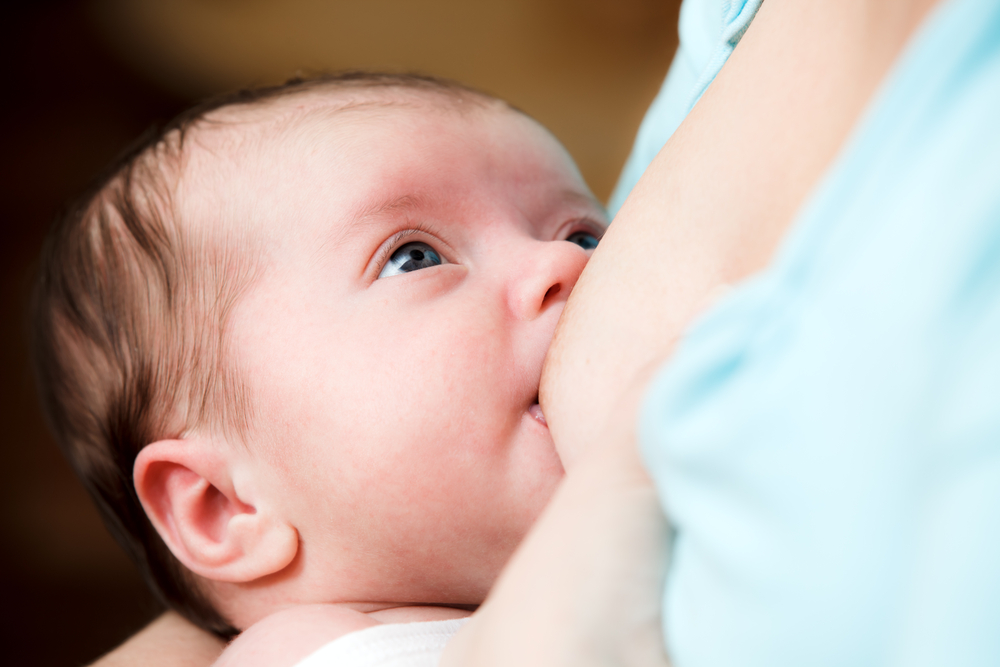
Maternal depression was associated with reduced breastfeeding initiation, as women with depressive symptoms may have difficulties focusing and thus engaging in breastfeeding. A recent review (Ip et al, 2009) found infants who breastfeed are at a reduced risk to multiple paediatric diseases (otitis media, gastroenteritis, lower respiratory tract infection, atopic dermatitis, childhood asthma, type 1 and type 2 diabetes and obesity, leukaemia in childhood, and sudden death syndrome). Therefore suggesting infants born to depressed mothers may be at increased risk to these diseases. However, interventions around breastfeeding should be approached with care, as insisting a depressed mother breastfeed may result in increasing her depressive symptoms and other psychological effects including guilt.
A subgroup analysis of socioeconomic status displayed an association between low birth weight and maternal depression which was not shown in the main analysis, although this was a small effect based on only 3 studies. However, these findings are supportive of another review by Grote et al (2010) who found low birth weight was associated with depression, with the effect larger in developing countries.
Limitations
This review had a few limitations which the authors address. The first is the use of convenience samples rather than random sampling, which accounted for 16% of the variance within the preterm birth outcome. These samples were made of women attending speciality clinics, which may have increased the likelihood of finding an effect, as it’s possible these women had alternative reasons for preterm delivery. Secondly, many of the studies had small sample sizes, with often fewer than 100 patients in the depressed group.
Furthermore, the authors encountered multiple different diagnostic measures for depression and found different cut-off scores for depression between studies using the same diagnostic tests. Definitions of outcome varied between studies as well, resulting in decreased confidence that equivalent data is being pooled and subsequently decreased confidence in the effects found.
Finally, multiple studies did not control for confounding variables including smoking, alcohol, or use of antidepressants.
The authors conclude by stating:
Although more methodologically rigorous research is needed and depression did not appear to affect all perinatal outcomes, the effects of depression were not without consequence and should be given consideration.

Despite containing some limitations, the review highlights some potential harmful effects of maternal pregnancy. Obstetricians should be aware of these risks along with the rates of depression throughout pregnancy and be prepared to advise women about different treatment options. Future studies should concentrate on what types of treatment best benefit depressed pregnant mothers, e.g. antidepressant use or counselling therapy.
Links
Bonari L, Koren G, Einarson TR, et al. Use of antidepressants by pregnant women: evaluation of perception of risk, efficacy of evidence based on counselling and determinants of decision making. Arch Women Ment Health. 2005;8(4): 214-220. [PubMed abstract]
Burt VK, Quezada V. Mood disorders in women: focus on reproductive psychiatry in the 21st century- Motherisk update 2008. Can J Clin Pharmocol. 2009;16(1): e6-e14. [PDF]
Grigoriadias S, VonderPorten E, Mamisashvili L. The Impact of Maternal Depression During Pregnancy on Perinatal Outcomes: A Systematic Review and Meta-Analysis. J Clin Psychiatry. 2013; 74;4: 321-341. [PubMed abstract]
Grote NK, Bridge JA, Garvin AR, et al. A meta-analysis of depression during pregnancy and the risk of preterm birth, low birth weight, and intrauterine growth restriction. Arch Gen Psychiatry. 2010; 67:1012-1024. [PubMed abstract]
Ip S, Chung M, Raman, G et al. A summary of the Agency for Healthcare Research and Quality’s evidence report on breastfeeding in developed countries. Breastfeed Med.2009;4 (suppl 1): S17-S30. [PubMed abstract]
Marcus SM. Depression during pregnancy: rates, risks and consequences- Motherisk Update 2008. Can J Clin Pharmacol. 2009;16(1):e15-e22. [PubMed abstract]





Stephanie Brown
10 years agoRaluca Cecilia Mihalache
10 years agoStephanie Brown
11 years agoThe Mental Elf
11 years agoRaluca Cecilia Mihalache
11 years agotuppence8
12 years agoBIGFirstYears
12 years agonutritioninyork
12 years ago121Therapy
12 years ago121Therapy
12 years agoamydlibrarian
12 years agoHelenSinghateh
12 years agoweatherwithu
12 years agoaghoury79
12 years agoRaluca Cecilia Mihalache
12 years agoHelenMcAvoy2
12 years agomhequalities
12 years agoe1ucidate
12 years agoEloiseOX3
12 years agoCalibeaz
12 years agotiger_barry
12 years agoShazy86
12 years agomichaeldalili
12 years agoangliacounsel
12 years agoMental_Elf
12 years agosusanallenlmft
12 years agoroo_ju
12 years agoAPEAL_Lab
12 years agoAoifeMenton
12 years agoBPSOfficial
12 years agoMental_Elf
12 years agomina_el_naguib
12 years agoEKentGPVTS
12 years agoStephanieBlease
12 years agomigliareseg
12 years agoLizHughesDD
12 years agoAnnaMaslin
12 years agoMental_Elf
12 years agomoftasa
12 years agoMental_Elf
12 years agoStewart_Barker
12 years agoScarletthiles
12 years agoEloiseOX3
12 years agoaliceonthehill
12 years agoMHNEtweets
12 years agonikkinewhouse
12 years agoBrideyMonger
12 years agoBigWhiteWall1
12 years agodiscojunk
12 years agoMental_Elf
12 years agoFreepsychology
12 years agoJamieACooke
12 years agoBPSOfficial
12 years agoMarcusMunafo
12 years agosoozaphone
12 years agoMegEliz_
12 years agoMental_Elf
12 years agoTLTB_Sarah
12 years agoPusiGalor
12 years agoTheBabyExpert
12 years agoAndy54321
12 years agoMental_Elf
12 years agoangliacounsel
12 years agoStephanie Brown
12 years agoThe Mental Elf
12 years agoLizHughesDD
12 years agoTalkingTPsicon
12 years agoTHeCommCoach
12 years agoaghoury79
12 years agotuppence8
12 years agoLaraByoga
12 years ago