

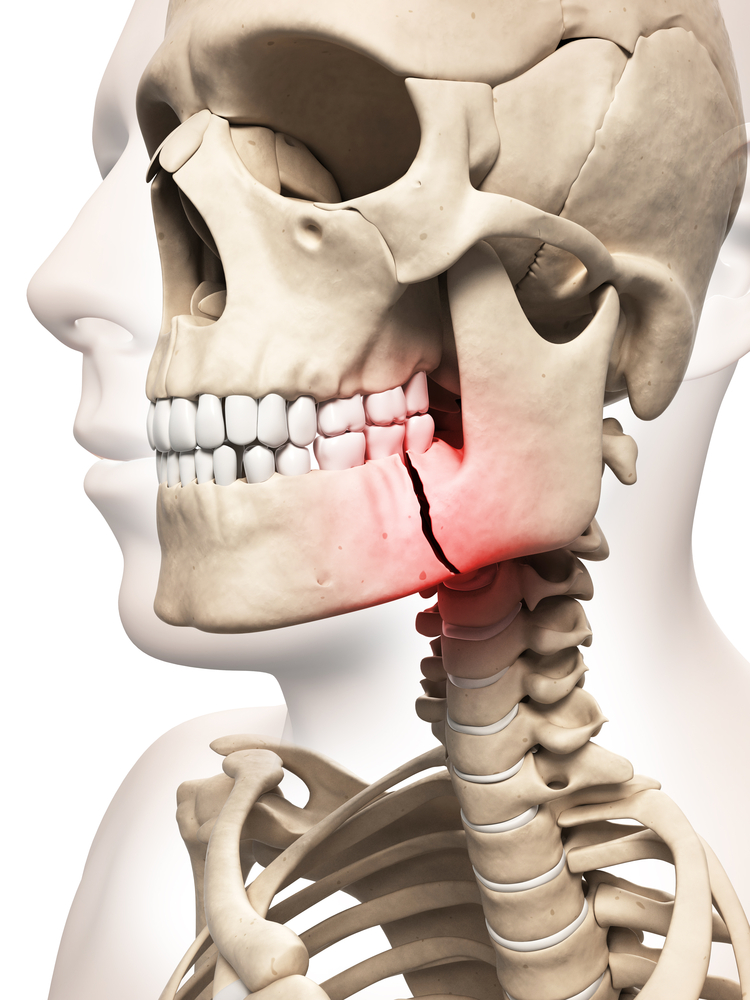

Fracture of the mandible is a common facial injury accounting for between 19-40% of facial fractures. Treatment ranges from closed reduction and intermaxillary fixation to open surgical reduction and internal fixation. A range of internal fixation options is available including tranosseus wiring, compression plates miniplates and lag screws.
The aim of this review was to compare the clinical outcomes between locking and non-locking plate fixation for the management of mandibular fractures.
Methods
Searches were conducted in PubMed, Web of Science, and the Cochrane Oral Health Group Trials Register. This was supplemented with a manual search of relevant dental journals. Randomized controlled trials (RCTs), controlled clinical trials (CCTs), and retrospective studies that compared the use of locking and non-locking plate fixation techniques for mandibular fractures were considered. Study quality was assessed using the Cochrane Risk of bias tool.
Results
- 10 studies involving a total of 471 patients were included (8 RCTs and 2 retrospective studies)
- 8 of the studies were considered at high risk of bias and 2 at moderate risk.
- Meta-analysis found no significant difference in the overall incidence of complications between locking and non-locking plates RR= 0.79 (95% CI 0.54-1.14). (P=0.21),
- There was also no significant difference in:-
- postoperative infection RR= 0.58 (95% CI 0.26 – 1.26) (P=0.17),
- malocclusion RR= 0.66 (95% CI 0.37 – 1.16) (P=0.15),
- hardware failure RR= 0.82 (95% CI 0.20 – 3.25) (P=0.77),
- hardware removal RR= 0.96 (95% CI 0.32 – 2.90) (P=0.95),
- wound dehiscence RR= 1.02 (95% CI 0.15 – 7 .02) (P=0.98),
- paraesthesia RR= 2.03 (95% CI 0.68 – 6.06) (P=0.20)
Conclusions
The author concluded
despite the significant theoretical advantages of the locking system seen in biomechanical studies, the results of the present meta-analysis failed to show statistically significant differences in postoperative complication rates with the use of locking screw/plate systems when compared to the use of non-locking systems in the management of mandibular fractures.
Commentary
Three databases and a wide range of relevant journals have been searched for this review. There is a disadvantage in having only a single author select, quality assess and data abstract studies as inclusion and exclusion then relies on a single individuals view. Having identified a reasonable number of RCTs that met the reviews criteria the author the gives the reasons for retaining the two retrospective studies. As the two retrospective studies were relatively small (involving 80 patients) and likely to be subject to greater bias I would have omitted them.
The 2013 Cochrane review by Nasser et al (Dental Elf 11th July 2013) considered a range of interventions for the management of mandibular fractures included 12 RCTs some of which are included in this review. The Cochrane review concluded:-
there is currently inadequate evidence to support the effectiveness of a single approach in the management of mandibular fractures without condylar involvement. The lack of high quality evidence may be explained by clinical diversity, variability in assessment tools used and difficulty in grading outcomes with existing measurement tools. Until high level evidence is available, treatment decisions should continue to be based on the clinician’s prior experience and the individual circumstances.
Links
Chrcanovic BR. Locking versus non-locking plate fixation in the management of mandibular fractures: a meta-analysis. Int J Oral Maxillofac Surg. 2014 Aug 9. pii: S0901-5027(14)00264-1. doi: 10.1016/j.ijom.2014.07.014. [Epub ahead of print] Review. PubMed PMID: 25115355.
Nasser M, Pandis N, Fleming PS, Fedorowicz Z, Ellis E, Ali K. Interventions for the management of mandibular fractures. Cochrane Database of Systematic Reviews 2013, Issue 7. Art. No.: CD006087. DOI: 10.1002/14651858.CD006087.pub3.





Nouman Tariq
10 years agoAlonso Carrasco
10 years agoHidemichi Yuasa
10 years agoLaura Moss
10 years agoAnna Lee Hunt
10 years agoAnterior mandibular factures-lag screw least postop problems - The Dental Elf
11 years agoMandibular fractures -single plate fixation - The Dental Elf
11 years agoAnna Lee Hunt
11 years agoHidemichi Yuasa
11 years agoLaura Moss
11 years agoTheDentalElf
11 years agoTheDentalElf
11 years agoTheDentalElf
11 years agoTheDentalElf
11 years agoTheDentalElf
11 years agoTheDentalElf
11 years agoNouman Tariq
11 years agoAlonso Carrasco
11 years ago