
The Mental Elf

People’s experiences of taking antidepressants

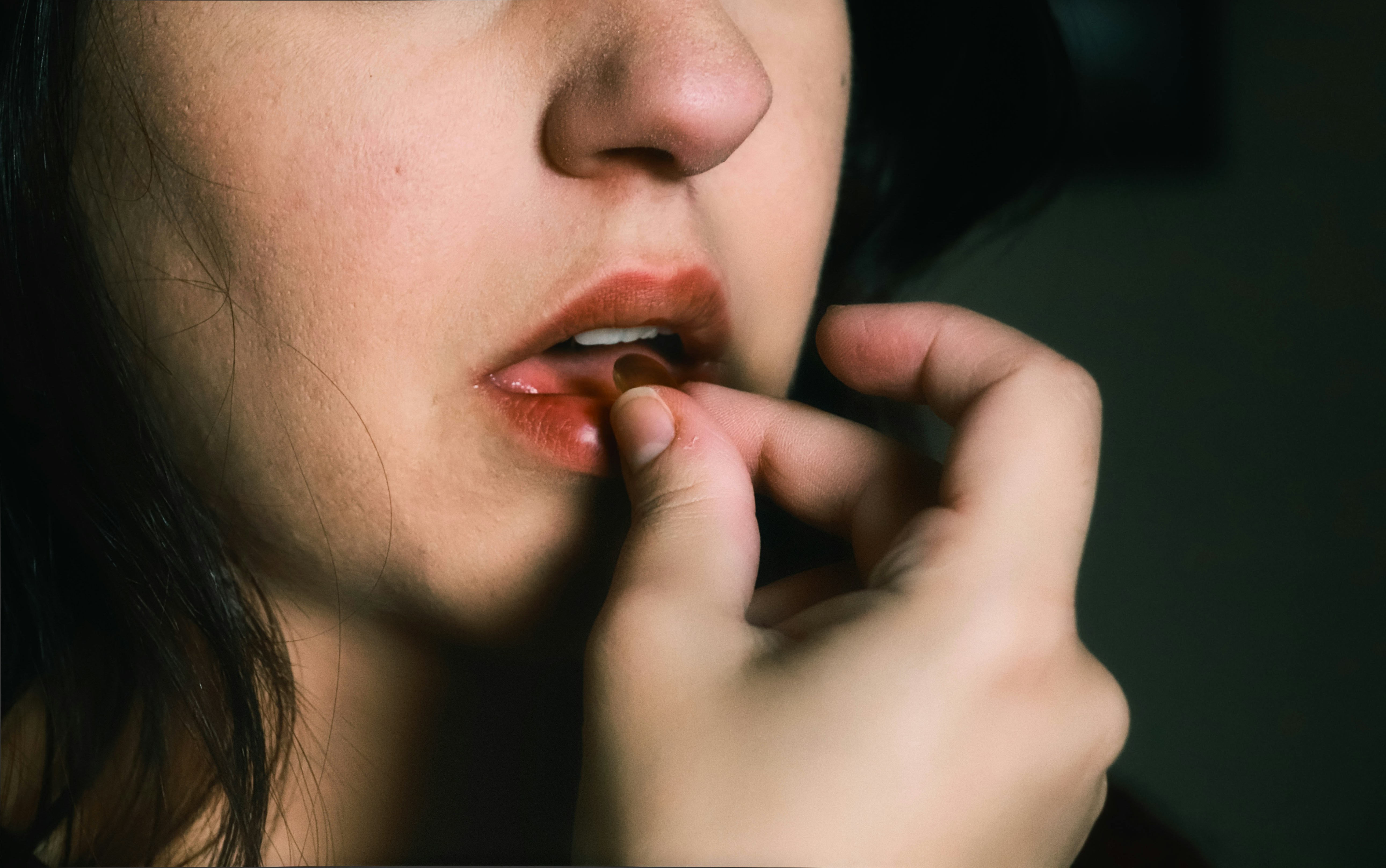
The efficacy of antidepressants has been called into question in recent years, and yet their use in the West continues to increase. Doctors prescribe antidepressants with ease and regularity, knowing that alternatives (such as psychotherapy and cognitive behaviour therapy or CBT) are thin on the ground.

We talk about medicalising distress: making an illness out of negative social and personal life experiences, and yet we still do not have good ways of dealing with these experiences that obviate the use of medication.

Methods

Quite simply, this new open access paper (Gibson et al, 2016) is based on the qualitative (content and thematic) analysis of responses to a single open question in an anonymous online survey. The question asked participants to complete the phrase:

In my life antidepressants have been…

There must have been additional questions regarding demographic characteristics as the paper reports on the profile of the participants as well. The survey was live for nearly a year and was answered by 1,829 people aged over 18 across New Zealand.

Results

The profile of the respondents showed them to have above average education, to be younger than average and predominantly female (77%). It is not clear how well this profile fits that of people in New Zealand who are prescribed antidepressants.

In summary:

  • 54% of the participants reported positive experiences of antidepressants
  • 28% reported mixed experiences
  • 16% reported negative experiences.

Within these broad headings, several themes emerged.

Positive experiences

Within this group, participants described antidepressants in four main ways:

  • Some described them as a necessary treatment for an underlying illness, with a clear belief in the biomedical model for understanding depression
  • For others, antidepressants acted to enable them to function or to carry out their normal duties
  • Some regarded the drug as a temporary means of dealing with stressful events, including interpersonal or social problems
  • Finally, some invested significantly more emotion in antidepressants describing them, for example, as a ‘life-saver’.

Negative experiences

Interestingly, the negative (and the mixed) experiences appear more nuanced:

  • Some people in this group simply found antidepressants to be ineffective
  • Others found the side effects to be too unpleasant to continue with the drug
  • For some people, the numbing of emotions impacted on their lives in problematic ways (e.g. feeling ‘like a zombie’)
  • Another group of people described antidepressants as a kind of ‘fake fix’, covering up or leading them to tolerate circumstances that they subsequently felt should have been addressed directly
  • Finally, some people experienced the drug as a sign that they were not coping; it was as if it undermined the control they had over their lives.

Mixed experiences

  • In the mixed group there were many people who described weighing up the benefits of taking antidepressants with the unpleasant side-effects, as a ‘necessary evil’
  • Central among the side-effects discussed were sexual dysfunction and weight gain. Some had stopped taking the drug as a result, whilst others resigned themselves to living with the side-effects
  • Some people similarly described antidepressants as having benefits but making them feel unlike themselves
  • Another theme was dependency, and the difficulty that some people were having in coming off the drug, with little follow-up advice or information about this
  • Finally, some people talked of the struggle to find an antidepressant that worked, or that did not cause significant side-effects.
There was considerable diversity in participants’ responses to the survey question.

Conclusions

The authors conclude that their findings demonstrate the inadequacy of the question ‘Do antidepressants work?’, providing us with greater understanding of the meanings people ascribe to taking them.

They highlight the need for professionals to enter into a dialogue with patients to explore the meaning that antidepressants hold in their lives, and to not mislead them into thinking there is a ‘known chemical aetiology’ in depression. This in itself is an interesting conclusion, since it seems that it is those people who believe in this chemical aetiology who have the most positive experiences of antidepressants.

Strengths and limitations

This study has two significant limitations; one is that it is based on the completion of a single open question and the second that it was available online only. The latter results in a potentially skewed population (predominantly female, younger and higher educated), and the former is too superficial and leaves a great many questions unanswered.

The authors’ conclusion about the importance of the meanings people ascribe to their medication, leads one to wonder more about those underlying beliefs and the values of the participants. Although it seems logical to assume that those who describe the drug as a necessary treatment for an underlying illness might believe in a biomedical understanding of depression, it would be so much more illuminating to have been able to ask those additional questions.

A follow-up qualitative study involving interviews with sub-samples of people giving positive, negative and mixed responses would have been a valuable addition.
This study explores interesting ground, but the lack of detail about positive, negative and mixed responses feels like a missed opportunity to learn so much more.

Summary

Overall, I feel that this paper promises more than it delivers. Perhaps this is partly because I have insider knowledge; I was keen to review this paper because I have been taking antidepressants for nearly 18 years. I can identify with a great many of the views and experiences of the participants in the study. I have moved through and back and forth between the positive, negative and mixed experiences described. Although initially trying about four different types of antidepressant, I eventually settled on Venlafaxine. Looking back on this now, I can see that it was the one that I tolerated best; whether it actually impacted on my depression at that stage, I had long since lost sight of. And, some 17 years later, I am still taking a small dose; I have been unable to stop taking it due to the withdrawal effects and no GP has shown any interest in this difficulty.

At the heart of this study is the complex and powerful relationship between the efficacy of medication and the placebo effect, something eloquently described by both Joanna Moncrieff (2013; 2001) and Ben Goldacre (2013). There is no reliable scientific evidence for the antidepressant action of antidepressant drugs, but the psychology of our beliefs is powerful and fascinating. However, I am left with an ethical question. If people benefit more from antidepressants when they believe in an underlying chemical imbalance, who are we to deny them this belief? Ultimately, this study leaves many questions unanswered, questions that cry out for follow-up studies.
What are your experiences of antidepressants? Good, bad, indifferent? Please share them by posting a comment below.

Links

Primary paper

Gibson K, Cartwright C, Read J. (2016) ‘In my life antidepressants have been…’: a qualitative analysis of users’ diverse experiences with antidepressants. BMC Psychiatry 2016 16:135 DOI: 10.1186/s12888-016-0844-3

Other references

Goldacre, B. (2013) Bad Pharma. Fourth Estate.

Moncrieff, J. Why there’s no such thing as an antidepressant. Blog 27 November 2013

Moncrieff J. Are antidepressants overrated? A review of methodological problems in antidepressant trials. J Nerv Ment Dis 2001 May;189(5):288-95.

Rice-Oxley, M. and Fishwick, C. ‘Medicalisation of misery to blame for soaring use of antidepressants, say GPs‘. The Guardian 21 November 2013.


Photo credits

Add a comment
  • Darnell S.

    Darnell S.

    3 years ago
    Antidepressants have ruined my life. I used to be a high functioning well adjusted individual until a traumatic life event lead me to taking antidepressants over an 18 months period. I've been off of them for 2 years now, but my cognitive abilities and my inner strength have been destroyed. I feel like my IQ has dropped from being a high functioning white collar worker to a low IQ hillbilly. In addition, I now suffer from PSSD, and I do not feel like the same person I have been all of my life.
  • How should we redirect research on psychiatric drugs? #PsychDrugDebate

    How should we redirect research on psychiatric drugs? #PsychDrugDebate

    7 years ago
    […] read this far, then it has probably occurred to you that I write in support of this paper. I have my own experience of psychotropic medication, and I still – reluctantly – take an antidepressant because I cannot withdraw from it, […]
  • What causes emotional blunting in people taking antidepressants?

    What causes emotional blunting in people taking antidepressants?

    8 years ago
    […] blunting’ or ‘numbing’ has been described by people taking antidepressants (Faulkner, 2016), and particularly Selective Serotonin Reuptake Inhibitors […]
  • CatherineHaigh1

    CatherineHaigh1

    9 years ago
    Interesting review and comment on the difficulties of antidepressant withdrawal (of which I have had my own experience)
  • Simon Darragh

    Simon Darragh

    9 years ago
    As a long-term (50 years!) sufferer from sometimes severe depression, my experience of antidepressants is that they are used by the profession to fob people off. Very rarely did they actually work; fluoxetine was the best and the tricyclics quite useless. Only late in life, when I got a pension from the Royal Literary Fund, was I able to go for Analytically-oriented psychotherapy. That works.
  • sltraill

    sltraill

    9 years ago
    RT @Mental_Elf: Hi #dcopconf Read @AlisonF101 today People’s experiences of taking #antidepressants https://t.co/VY50N2lJjY https://t.co/YD…
  • HopeNcounseling

    HopeNcounseling

    9 years ago
    People’s experiences of taking antidepressants https://t.co/u4GCNqGEKW
  • MichelleLefevr1

    MichelleLefevr1

    9 years ago
    RT @anniecoops: People’s experiences of taking antidepressants https://t.co/qhJ8IgelWG via @Mental_Elf
  • AlyssaHowardMD

    AlyssaHowardMD

    9 years ago
    RT @EmadLilo: https://t.co/DWgR2AQO69 The efficacy and #experiences of #antidepressant ?
  • Geoff_springer

    Geoff_springer

    9 years ago
    RT @EmadLilo: https://t.co/DWgR2AQO69 The efficacy of antidepressants ? @irisbenson100 @BeresfordPeter @lucianaberger
  • Geoff_springer

    Geoff_springer

    9 years ago
    RT @EmadLilo: https://t.co/DWgR2AQO69 The efficacy and #experiences of #antidepressant ?
  • anniecoops

    anniecoops

    9 years ago
    People’s experiences of taking antidepressants https://t.co/qhJ8IgelWG via @Mental_Elf
  • POPPED_Project

    POPPED_Project

    9 years ago
    People’s experiences of taking antidepressants https://t.co/xjHIRG17g9 by Alison Faulkner on @Mental_Elf
  • irisbenson100

    irisbenson100

    9 years ago
    RT @EmadLilo: https://t.co/DWgR2AQO69 The efficacy of antidepressants ? @irisbenson100 @BeresfordPeter @lucianaberger
  • EmadLilo

    EmadLilo

    9 years ago
    https://t.co/DWgR2AQO69 The efficacy of antidepressants ? @irisbenson100 @BeresfordPeter @lucianaberger
  • EmadLilo

    EmadLilo

    9 years ago
    https://t.co/DWgR2AQO69 The efficacy and #experiences of #antidepressant ?
  • ellbbo

    ellbbo

    10 years ago
    Do antidepressants work? Alison Faulkner reviews a new (v limited) study for the @Mental_Elf https://t.co/op9FTDzdpV
  • Squeaksthoughts

    Squeaksthoughts

    10 years ago
    RT @Mental_Elf: "In my life antidepressants have been…" Pls tweet your thoughts! Or comment on the blog: https://t.co/VY50N2lJjY https://t.…
  • SameiHuda

    SameiHuda

    10 years ago
    RT @Mental_Elf: "In my life antidepressants have been…" Pls tweet your thoughts! Or comment on the blog: https://t.co/VY50N2lJjY https://t.…
  • FewingsBj

    FewingsBj

    10 years ago
    RT @Mental_Elf: "In my life antidepressants have been…" Pls tweet your thoughts! Or comment on the blog: https://t.co/VY50N2lJjY https://t.…
  • SarahHuggy

    SarahHuggy

    10 years ago
    RT @Mental_Elf: Don't miss: People's experiences of taking #antidepressants https://t.co/VY50N2lJjY #EBP
  • ClareWilsonMed

    ClareWilsonMed

    10 years ago
    1829 people answered the question: "In my life #antidepressants have been..." Here's what they said: https://t.co/Mb52EAjdje
  • Debbie

    Debbie

    10 years ago
    Antidepressants have been with me for 25 years, with brief periods of none use. I am 49 years of age, suffering with reactive depression and anxiety. I hate taking tablets, I try to use natural products but this doesn't seem to help. My life has become a horrid cycle of need
  • jmkvilen

    jmkvilen

    10 years ago
    RT @Mental_Elf: Don't miss: People's experiences of taking #antidepressants https://t.co/VY50N2lJjY #EBP
  • YPAccesstoMH

    YPAccesstoMH

    10 years ago
    RT @Mental_Elf: Don't miss: People's experiences of taking #antidepressants https://t.co/VY50N2lJjY #EBP
  • Mental_Elf

    Mental_Elf

    10 years ago
    Don't miss: People's experiences of taking #antidepressants https://t.co/VY50N2lJjY #EBP
  • AllyThornton27

    AllyThornton27

    10 years ago
    RT @Mental_Elf: The positive & negative experiences of #antidepressants are explored by @AlisonF101 in our blog today https://t.co/VY50N2lJ…
  • Sparklystar55

    Sparklystar55

    10 years ago
    RT @Mental_Elf: "In my life antidepressants have been…" Please tweet us your thoughts! https://t.co/VY50N2lJjY
  • malcolmclayton

    malcolmclayton

    10 years ago
    RT @Mental_Elf: "In my life antidepressants have been…" Pls tweet your thoughts! Or comment on the blog: https://t.co/VY50N2lJjY https://t.…
  • Mental_Elf

    Mental_Elf

    10 years ago
    "In my life antidepressants have been…" Please tweet us your thoughts! https://t.co/VY50N2lJjY
  • RoenaRoena224

    RoenaRoena224

    10 years ago
    RT @Mental_Elf: Hi #dcopconf Read @AlisonF101 today People’s experiences of taking #antidepressants https://t.co/VY50N2lJjY https://t.co/YD…
  • adeleandmaddie

    adeleandmaddie

    10 years ago
    People’s experiences of taking antidepressants https://t.co/cFnJMmZsYh via @sharethis
  • SchrebersSister

    SchrebersSister

    10 years ago
    RT @Mental_Elf: Hi #dcopconf Read @AlisonF101 today People’s experiences of taking #antidepressants https://t.co/VY50N2lJjY https://t.co/YD…
  • Mental_Elf

    Mental_Elf

    10 years ago
    RT @Mental_Elf: Hi #dcopconf Read @AlisonF101 today People’s experiences of taking #antidepressants https://t.co/VY50N2lJjY https://t.co/YD…
  • fabngroovy

    fabngroovy

    10 years ago
    RT @Mental_Elf: "In my life antidepressants have been…" Pls tweet your thoughts! Or comment on the blog: https://t.co/VY50N2lJjY https://t.…
  • BPSOfficial

    BPSOfficial

    10 years ago
    RT @Mental_Elf: "In my life antidepressants have been…" Pls tweet your thoughts! Or comment on the blog: https://t.co/VY50N2lJjY https://t.…
  • PoetsHaveTaken

    PoetsHaveTaken

    10 years ago
    https://t.co/OHGiErNpM4 an interesting analysis of an interesting paper
  • BefriendService

    BefriendService

    10 years ago
    RT @Mental_Elf: The positive & negative experiences of #antidepressants are explored by @AlisonF101 in our blog today https://t.co/VY50N2lJ…
  • OxPsychiatry

    OxPsychiatry

    10 years ago
    RT @Mental_Elf: The positive & negative experiences of #antidepressants are explored by @AlisonF101 in our blog today https://t.co/VY50N2lJ…
  • LysanneWilson

    LysanneWilson

    10 years ago
    RT @Mental_Elf: "In my life antidepressants have been…" Pls tweet your thoughts! Or comment on the blog: https://t.co/VY50N2lJjY https://t.…
  • FacingDanger

    FacingDanger

    10 years ago
    People’s experiences of taking antidepressants https://t.co/hsxbtXaCW5
  • Andre Tomlin

    Andre Tomlin

    10 years ago
    Thanks for your comment Greg. You might like to also read Andrew Shepherd's blog from March 2015: Antidepressant withdrawal syndromes: time to grasp the nettle? http://www.nationalelfservice.net/mental-health/depression/antidepressant-withdrawal-syndromes-time-to-grasp-the-nettle/ Cheers, André
  • Greg

    Greg

    10 years ago
    Thank you for such a fascinating review. I think it very poignant that some participants (and yourself in your reflective piece at the end) note that the withdrawal syndrome associated with antidepressants is one of the reasons many carry on taking the drug. It has always perplexed me as to how doctors/clinicians generally are so concerned about the withdrawal effects of an opiate medication or benzodiazepine, yet the effects of SSRIs and other antidepressants are almost ignored. There seems to be some underlying belief in practice imo that antidepressants are somehow "safer" than other drugs when they still have ab adverse side effect profile and withdrawal syndrome comparable to other drugs that attract strict monitoring procedures.