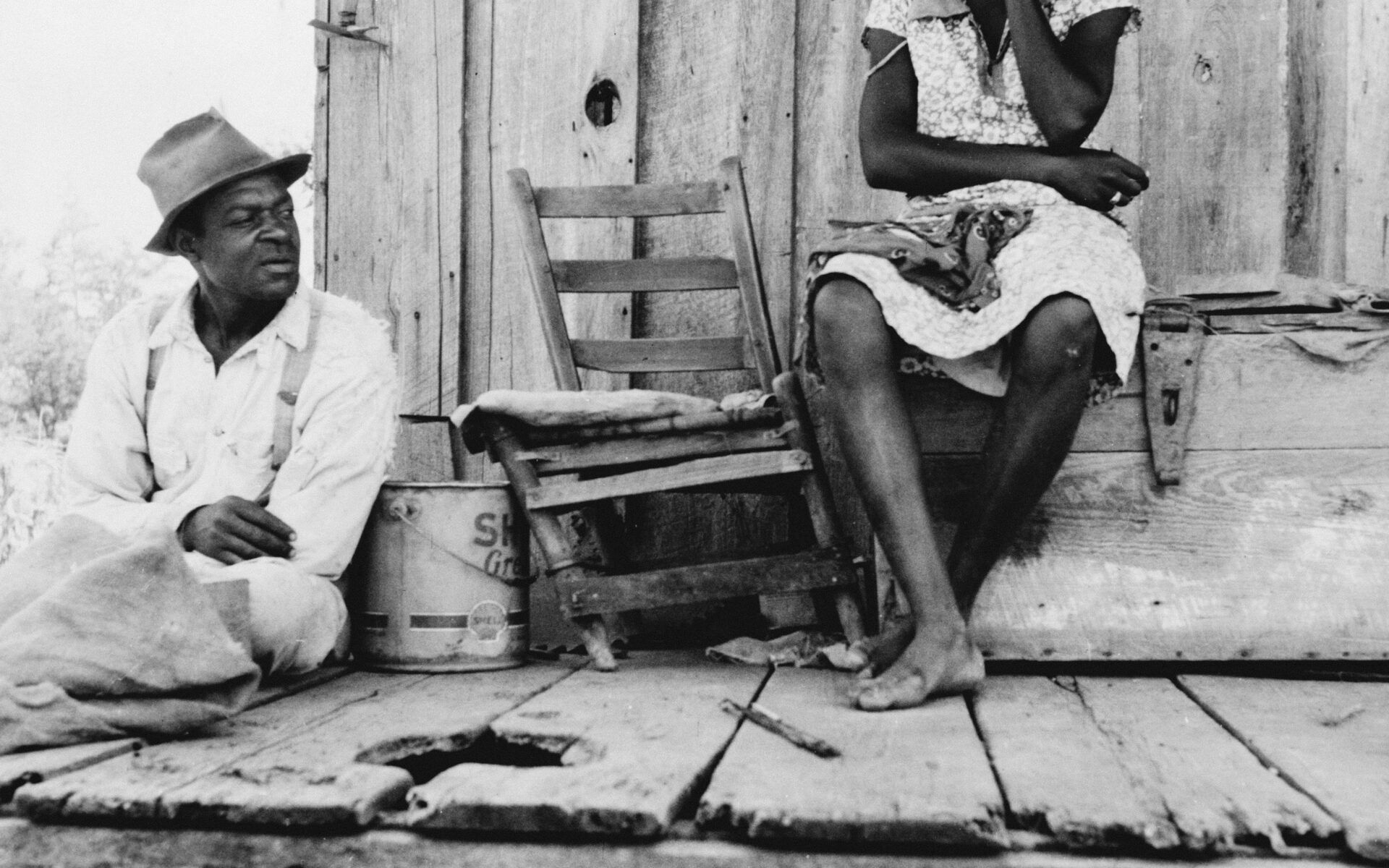

Silence can wound as deeply as words, and some stories don’t just survive history-they carry its wounds, its silences, and its strengths across generations. For the Windrush Generation (WG) these wounds were often concealed, carried quietly beneath the surface, shaping identities and relationships long before they were formally recognised (Cox, 2023). Their arrival in post-war Britain between 1948 and 1971 marked the beginning of a complex and often challenging narrative – a community reportedly invited to help rebuild the nation, yet persistently met with profound social exclusion, racism, and systemic injustice (Moorley et al., 2025; Wallace et al., 2022).
Despite the growing visibility of the Windrush Generation’s legacy in recent years- particularly following the exposure of the 2018 Windrush Scandal, which saw hundreds of Black British citizens wrongly detained or deported under hostile immigration policies- there remains a pressing need to examine the psychological dimensions of Windrush within mainstream mental health inquiry (Janes et al., 2024). To date, relatively little research has explored how racial trauma, silence, and resilience are transmitted and reconfigured across generations. It is within this context that Blumsom et al. (2025) offer a vital contribution, using narrative inquiry to illuminate how stories of racism and resistance are carried intergenerationally, and how they continue to shape the emotional landscapes of families and communities of the Windrush Generation today.
Methods
This qualitative study employed narrative inquiry grounded in Critical Race Theory, which examines how law and social structures perpetuate racial inequalities, and Liberation Psychology, which addresses the psychological impacts of oppression to promote social justice and collective empowerment (Bryant, 2024; Crenshaw et al., 1995).
Eight participants took part in semi-structured interviews: four members of the Windrush Generation (aged 60-76 years) and four descendants (aged 48-61 years), all identifying as cisgender women of Caribbean heritage. Participants were unrelated to one another, enabling cross-family analysis of intergenerational patterns theorised to arise from migration, experiences of racism, and familial resilience. Additionally, community members with lived experience contributed as “experts-by-experience”, co-producing the research and ensuring cultural authenticity, exemplifying decolonising practice through power redistribution.
The lead researcher, a White British citizen, acknowledged their privilege and biases, documenting their reflections in a detailed research log. Interviews were transcribed verbatim and analysed using Riessman’s (2008) three-layer narrative framework. Ethical rigour adhered to CASP (2018) principles, ensuring participants’ voluntary engagement and study credibility.
Results
The narratives shared by the Windrush Generation and their descendants reveal a powerful tension between trauma and triumph, silence and storytelling, and demonstrate how these dynamics shift across generations. Their stories illuminate not only experiences of racism and exclusion, but also the complex strategies families used to preserve dignity, identity, and unity in the face of structural injustice- sometimes loudly, sometimes quietly, and often somewhere in between.
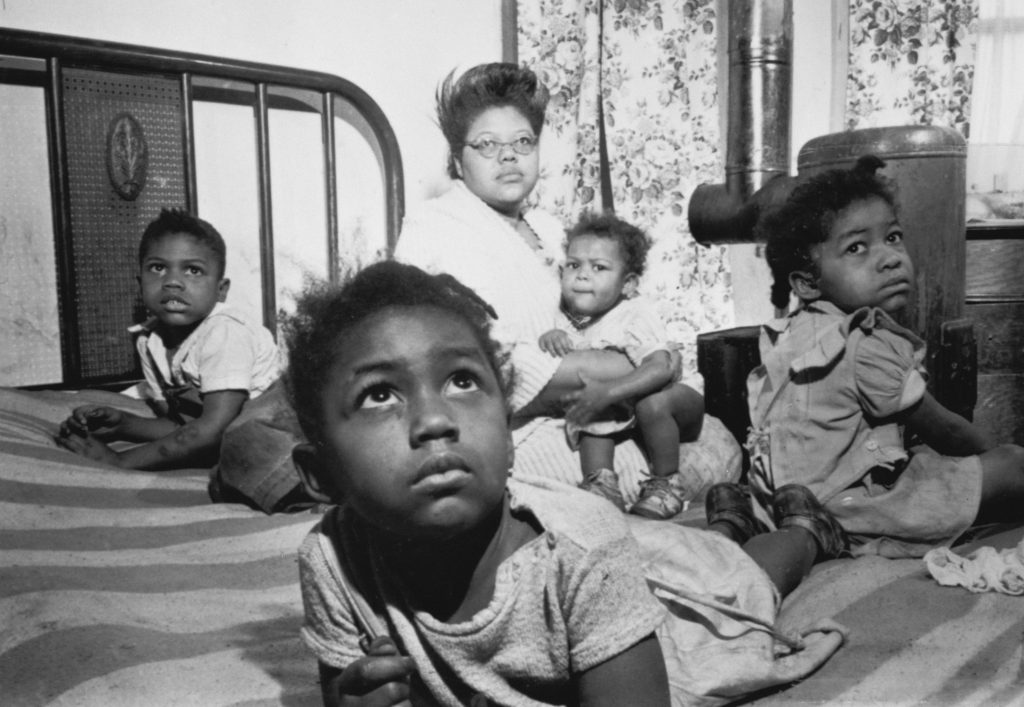
For the Windrush Generation, migration was narrated as a journey of opportunity, sacrifice, and hope. Participants described arriving in the UK with aspirations for stability, prosperity, and advancement, only to confront a society that repeatedly marked them as outsiders. One participant recalled “being the only Black kid” in their class, adding that “even the teacher was openly racist”. Yet despite these harsh realities, Windrush participants rarely foregrounded suffering in their narratives. Instead, they emphasised endurance, faith, family, and cultural pride, often conveyed with humour or stoicism, with adversity often pushed aside rather than openly discussed. Windrush descendants described how their elders often refrained from sharing painful memories, instead choosing to impart values such as “strength”, “family”, and “hard work.”
According to the authors, this selective storytelling operated as a protective strategy- a deliberate means of shielding children from the indignities of racism and preserving dignity within a hostile environment. As such, the researchers argue that this pattern represents “intergenerational resistance over intergenerational trauma”, suggesting that withholding certain stories was not avoidance but an active expression of resilience and self-preservation. But silence carries emotional weight. Silence, however intentioned, can contribute to emotional detachment and impede communal healing (Kinouani, 2020). This observation may help to explain why descendants’ narratives were notably more explicit, emotionally charged, and politically vocal than those of their elders. Growing up with only fragments of their family histories, many sought to fill these gaps by reclaiming identity, interrogating racism more directly, and advocating for collective recognition.
Together, these interwoven narratives illustrate that the Windrush legacy is not defined by hardship alone but by a complex intergenerational negotiation- a continual balancing of silence and survival, pain and pride, loss and resistance. The power of these stories lies not only in what is spoken, but also in what is intentionally left unsaid.

Conclusions
Blumsom et al., (2025) ultimately revealed that the WG’s legacy is not solely defined by trauma, but encompasses resilience and resistance woven throughout these intergenerational stories – a truth that resonates deeply across generations, including my own. By centring storytelling within psychological inquiry, this research recognised the significance of spoken and unspoken narratives in identity, healing, reclamation, and endurance.
As the authors wrote:
While collective trauma and racism were strong components of participants’ stories, … the WG and descendants seemed to present stories of intergenerational resistance over intergenerational trauma.
Such insights underscore the need for mental health practitioners to recognise both psychological wounds and the histories that formed them.

Strengths and limitations
One of the study’s most notable strengths lies in the lead researcher’s reflexivity and transparency as a White British academic. By maintaining a detailed reflective log, the researcher critically examined how their privilege, cultural identity, and underlying assumptions could shape data collection and interpretation, thereby enhancing the study’s credibility and ethical integrity. This sustained commitment to self-awareness exemplifies commendable practice in cross-cultural inquiry, where the researcher’s positionality can profoundly influence narrative interpretation and meaning construction. By consciously decentring their authority and foregrounding participants’ voices through storytelling rather than symptom-focused measures, this research aligns with decolonising methodological principles, modelling an ethically-grounded and socially-responsive approach to psychological research.
However, narrative analysis and reflexivity are inherently subjective, relying heavily on the researcher’s analytical lens. While the reflective log offered transparency, it cannot fully eliminate unconscious bias or prevent over-reliance on the researcher’s interpretations. Without participant validation or methodological triangulation, the extent to which interpretations can be corroborated is limited, suggesting that the findings may not reflect what was intended. Similarly, Riessman’s (2008) narrative framework, while robust, is rooted in Western epistemological traditions. Applying it to Caribbean storytelling practices may risk misinterpreting culturally-specific forms of humour, silence, or indirect communication. As such, explicit engagement with Caribbean communicative styles could have further enriched the analysis.
A further limitation concerns the ambiguity surrounding the number and role of “experts-by-experience”. While the Methods section foregrounds the contribution of community co-researchers, descriptions of how many individuals fulfilled this role are inconsistent. For example, the Abstract positions “eight expert-by-experience” contributors alongside participant involvement, potentially implying a similarity in data contribution. Contrarily, the Methods section draws a clearer distinction, specifying that four “experts” formed part of the research team, while a separate cohort of eight participants contributed interview data. Such discrepancies may complicate interpretation and obscure power dynamics within the co-production process. Clearer delineation between co-researcher involvement and participant contribution would have strengthened methodological transparency and enhanced confidence in how voices represented in the analysis were sourced and interpreted.

Implications for practice
The findings formulated from this study open crucial avenues for future research, making one thing clear: healing from racialised harm doesn’t happen in isolation. It is inseparable from the histories, families, and social realities that shape lived experience. There remains much to uncover about how resilience, silence, and racialised trauma are expressed and transmitted across generations, and how these patterns intersect with migration histories, gender, and social class. Understanding the evolution of these factors, particularly through future research with younger generations, would offer a richer and more culturally grounded account of how Caribbean families navigate both inherited and contemporary racial injustices.
For mental health services, this research underscores the need to move beyond traditional, symptom-focused models of distress and towards approaches recognising racism as an ongoing structural, relational and intergenerational trauma. Therapeutic interventions with racially minoritised groups, including those of Caribbean heritage, should therefore cultivate space for narrative therapy through storytelling or Tree of Life approaches, nurturing collective resilience, validating historical pain, and honouring cultural identity (Haskins et al., 2023; Stiles et al., 2019). Likewise, longitudinal and community-led studies would be invaluable, capturing how intergenerational conversations evolve regarding family dynamics, political pressures, and social climates (Williams et al., 2022). Such insight would not only highlight how narratives are reshaped but also how healing practices and acts of resistance are passed down, adapted, or re-imagined by younger generations.
Regarding policy-level implications, this research emphasises the need for further structural reform. As Blumsom et al. (2025) argue, the Windrush Compensation Scheme (WCS) designed to provide financial restitution to those affected remains limited in scope, operating as a form of bureaucratised reparation. Financial reparations alone cannot address the psychological, relational, and intergenerational harms produced by decades of racism and state-sanctioned injustice. Meaningful reform requires re-evaluating the WCS, looking beyond economic redress, and incorporating culturally-sensitive, trauma-informed, and community-driven support (Janes et al., 2024). Such modifications would not only honour the lived experiences of the WG but also acknowledge that healing from state-inflicted harm must be reparative, holistic, and grounded in cultural context.
Lastly, as a British woman of Caribbean heritage, this research holds profound personal resonance. Despite migrating outside the official Windrush period, my grandparents’ reflections of settling in the UK echo those of the Windrush Generation stories of perseverance amid prejudice, of building community in a society that often failed to recognise their humanity, coupled with the relentless insistence on dignity and pride. It reinforces that moving from silence to solidarity requires mental health services, policymakers, and researchers to listen, not only to what is spoken, but also to what has been held quietly, and often protectively, across generations.
Statement of interest
Tiffany Hainsley has no conflicts of interest to declare.
Edited by
Dr Dafni Katsampa
Links
Primary paper
Blumsom, J., Scott, J., Karwatzki, E., Aishath Nasheeda, Hernandez-Saca, D., Malach, A., & Andrew, G. (2025). Stories of Racism and Resistance: A Narrative Analysis of Stories Told in the UK Windrush Generation and Descendants of the Windrush Generation. Social Sciences, 14(10), 586–586. https://doi.org/10.3390/socsci14100586
Other references
Bryant, T. (2024). Lessons from decolonial and liberation psychologies for the field of trauma psychology. American Psychologist, 79(5), 683–696. https://doi.org/10.1037/amp0001393
CASP. (2018). Critical Appraisal Checklists. Critical Appraisal Skills Programme. https://casp-uk.net/casp-tools-checklists/
Cox, J. (2023). When Home Is a Hostile environment: Voices of the Windrush Generation and Their Descendants . Black Histories, 1(1-2), 28–43. https://doi.org/10.1080/28325281.2024.2355226
Crenshaw, K., Gotanda, N., Peller, G., & Thomas, K. (1995). Critical Race Theory: The Key Writings That Formed the Movement. The New Press.
Haskins, N., Harris, J. N., Parker, J. S., Nambiar, A., & Chin, P. (2023). Teaching anti‐racist counseling theories: Black liberation narrative therapy. Counselor Education and Supervision, 62(4). https://doi.org/10.1002/ceas.12286
Janes, K., Vernon, P., Estefan, D., Sheibani, F., Caesar, G., & Burgess, R. A. (2024). The ties that bind: Understanding the mental health consequences of the Windrush Scandal and hostile immigration policies on survivors in the UK. SSM – Mental Health, 6, 100352. https://doi.org/10.1016/j.ssmmh.2024.100352
Kinouani, G. (2020). Silencing, power and racial trauma in groups. Group Analysis, 53(2), 053331642090897. https://doi.org/10.1177/0533316420908974
Moorley, C., West, R., Sankar, M., Charles, N. G., & Ramdeen‐Mootoo, G. (2025). Honouring the Windrush Generation: A Legacy of Care Amidst Adversity. Journal of Advanced Nursing. https://doi.org/10.1111/jan.70084
Riessman, C. K. (2008). Narrative Methods for the Human Sciences. Sage.
Stiles, D. A., Alaraudanjoki, E., Wilkinson, L. R., Ritchie, K. L., & Brown, K. A. (2019). Researching the Effectiveness of Tree of Life: an Imbeleko Approach to Counseling Refugee Youth. Journal of Child & Adolescent Trauma, 14. https://doi.org/10.1007/s40653-019-00286-w
Wallace, M., Wilson, B., & Darlington-Pollock, F. (2022). Social inequalities experienced by children of immigrants across multiple domains of life: a case study of the Windrush in England and Wales. Comparative Migration Studies, 10(1). https://doi.org/10.1186/s40878-022-00293-1
Williams, M. T., Holmes, S., Zare, M., Haeny, A., & Faber, S. (2022). An Evidence-Based Approach for Treating Stress and Trauma due to Racism. Cognitive and Behavioral Practice, 30(4). https://doi.org/10.1016/j.cbpra.2022.07.001
Photos
- Photo by Library of Congress on Unsplash
- Photo by Library of Congress on Unsplash
- Photo by Soweto Graphics on Unsplash