
The Mental Elf

Depression in patients with alcohol use disorders

Alcohol use disorders are highly comorbid with depression in both the general population and in treatment (Schuckit, 2006). It is estimated that 30-40% of individuals with an alcohol use disorder, experience an episode of comorbid depression (Anthenelli and Schuckit 1993; Schuckit et al. 1997a). In particular patients entering treatment for alcohol use disorders often have high levels of depressive symptoms (Davidson, 1995; Brown et al, 1995).

Co-morbidity is associated with high levels of care, inadequate treatment outcomes and increased work absenteeism and reduced productivity (Chisholm et al., 2003).

In terms of treatment, patients with co-morbid depression have worse outcomes for alcohol treatment compared to those without depressive symptoms (Pettinati et al., 2013).

Combined treatment for co-morbid heavy drinking and depression is a relatively new treatment approach. Previously, co-morbidity was not always recognised or treated in clinical practice, with the assumption that both disorders would improve following treatment of the primary disorder. However, with an increase in combined treatment for co-morbidity, research has sought to examine depression outcomes and response to treatment in different patient groups.

An early approach focused on identifying whether depression occurred before (primary) or after (secondary) the onset of heavy drinking as a means for informing treatment. More recently the terms “independent” i.e. depression that develops before the onset of an alcohol use disorder and “substance-induced” have been used to distinguish the typology of co-morbidity. Distinction between these types of co-morbidity may have implications for treatment, with the suggestion that specific treatments may benefit subtypes of depression, e.g. patients with an independent subtype may benefit most from antidepressant medication (Schuckit, 2006).

The present systematic review and meta-analysis (Foulds et al., 2015) aimed to:

  1. Determine in patients with co-morbid depression and alcohol use disorder, how much depressive symptoms improve during depression treatment
  2. Examine whether patients with independent and substance induced depression have different patterns of treatment response
  3. Explore whether patients with independent and substance induced depression differentially respond to antidepressant medication
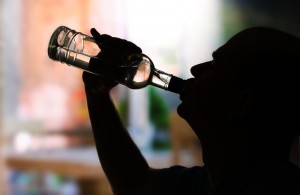
Research suggests that 30-40% of individuals with an alcohol use disorder, experience an episode of comorbid depression.

Methods

Study selection criteria

Studies were selected if the following criteria were met:

  • Longitudinal data of alcohol use and depression (at least 8-weeks) were reported
  • Change in mean score on a validated scale of depression was reported
  • Participants had a current alcohol use disorder (abuse or dependency) diagnosed according to the DSM or ICD
  • Participants had a baseline score on the Hamilton Depression Scales of ≥ 10 or an equivalent measure of depression

MEDLINE, Embase and the Cochrane Library were searched with the search terms “alcohol drinking; alcohol-induced disorder; alcohol related disorder; alcoholics; alcoholism and depression; antidepressive agents”.

Data extraction

  • Mean depression scores at baseline (first reported time point) and study completion were recorded
  • Depression subtype was defined by studies examining either independent depression, substance induced depression or a combination of both
  • Demographics, duration of and adjunctive treatment were also recorded
  • Study bias was addressed by recoding follow-up completion rates
  • Study quality was determined by assessment of sequence generation, allocation to treatment, blinding and adequacy of reporting

Study outcomes

Depressive symptoms and antidepressant efficacy were calculated separately using pooled estimates of standardised mean change in depression score from baseline to follow-up. Sensitivity analyses also explored the influence of individual studies on the pooled effect size estimate. Psychological treatment and predictors of treatment outcomes were examined using narrative analyses of psychological treatment studies and predictors of treatment outcome.

The vast majority of studies included in this review were of medication rather than talking treatments.

Results

The search resulted in 22 individual studies. 20 studies were randomised trials of which 18 were pharmacotherapy studies, and 2 non-pharmacotherapy. The remaining two studies were open label pharmacotherapy trials. Of the 22 studies, six were not included in the meta-analysis as their study outcomes did not clearly identify as relating to the intention-to-treat sample.

Measurement of depression

  • In 14 studies depression was diagnosed using the Structured Clinical Interview for DSM, two studies used the Psychiatric Research Interview for Substance and Mental Disorders, two studies used the Schedule for Clinical Assessment in Neuropsychiatry and one study used the Diagnostic Interview Schedule for DSM. The remaining studies used unstructured or semi-structured interviews.
  • 16 studies, all pharmacotherapy trials used the Hamilton Depression Rating Scale as a primary outcome, three studies used the Beck Depression Inventory, two studies used the Montgomery-Asberg Depression Rating Scale and the remaining study used the QIDS-SR. There was variation in the timing of the baseline depression measure. Most studies had a mean depression rating in the mild to moderate range.
  • In terms of defining depression subtype, 11 studies determined depression type at baseline, with five studies including only participants with independent depression. Three studies explicitly identified whether participants had independent or substance induced depression and included participants with both. The three remaining studies used participants with substance induced depression.

Meta-analysis of change in depression during treatment

  • Of the 16 studies that were selected for the meta-analysis, only 11 were analysed as they all used the Hamilton Depression Rating Scale. Studies were divided into those with high and low mean depression scores at baseline.
  • Across studies there was a consistent reduction in depression during treatment in the high baseline depression studies (mean change from baseline to study completion 1.92) and a smaller, more variable reduction in the studies with low baseline depression (mean change 0.91).
  • Nine studies reported depression scores at multiple follow-up time points. In all of these studies most of the change in depression occurred in the first 3-6 weeks. No studies showed improvement in depressive symptoms beyond 12 weeks.

Moderators of depression outcome

  • Few studies investigated moderators of change. Therefore the analyses reported here are regarded as exploratory.
  • Higher raw baseline depression scores were associated with greater reduction in depression score during treatment (b = 0.010, SE = 0.029, p = 0.007).
  • Depression subtype was not a predictor of change in depression during treatment (b = 0.04, SE = 0.37, and p = 0.91) and there was no evidence of any other moderators, including; sex, abstinence at baseline and administration of adjunctive psychological treatment.

Antidepressant efficacy

  • The pooled effect size for 10 studies of antidepressant treatment, compared with placebo was 0.17 (- 0.05 to 0.39).
  • For studies of independent depression the pooled effect size was 0.25 (0.06 to 0.44) and 0.08 (-0.31 to 0.47) for studies of substance induced depression or undifferentiated subtype.

Efficacy of psychological treatments

  • Only two studies of psychological treatments met criteria for inclusion, however others did include psychological treatment as part of routine care.
  • One study did not reveal any differences in depression outcome between depression subtypes. The other study reported the benefit of a text message intervention on depressive outcomes at 3- and 6-month follow-up.

Predictors of depression outcome

  • A narrative review of studies did not reveal any strong evidence on the casual relationship between alcohol use and depression

All studies included in the meta-analysis reported a large improvement in depression symptom score, most of which occurred within the first 3-6 weeks of treatment.

Conclusions

Results of this review and meta-analysis revealed that combined treatment for co-morbid depression and alcohol use disorders is associated with a large early improvement in depression, irrespective of whether the depression is independent of alcohol misuse. The mean level of depression improved considerably in the first 3-6 weeks of treatment, but plateaued by 3 months. The amount of improvement was consistent across study participants with high levels of depression at baseline. The study also reported a modest effect of antidepressant medication on depression in those with co-morbid alcohol use disorders. However, the strongest effect appeared to be for patients with depression that is independent of substance misuse.

Interestingly, most of the studies included in the meta-analysis were on participants with low to moderate levels of depression. However, antidepressants have been shown to have greater efficacy in individuals with moderate to severe depression. The authors state that studies of low to moderate levels were chosen to maximise the inclusion of studies where a baseline measure of depression was taken after a short period of abstinence from alcohol.

The authors acknowledge a limitation in their work, where there was heterogeneity in the amount of change in depression in studies with low levels of depression at baseline. This suggests that findings in this group may be unreliable.

They is some controversy surrounding the inclusion of unpublished studies in meta-analyses. However, some scientists have highlighted the need for unpublished studies to be included, and subjected to the same rigorous evaluation as published evidence. The meta-analyses reported here did not include unpublished studies, however publication bias was controlled for by examining follow-up completion rates.

This paper adds to our understanding of treatment for co-morbid alcohol use disorder and depression. Treatment appears to be associated with early improvement, regardless of treatment type and even when depression is independent of substance misuse.
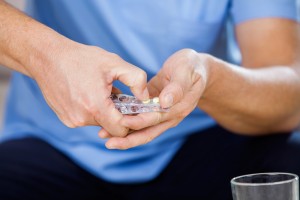
The study reported a modest effect of antidepressants on depression in people with co-morbid alcohol use disorders, but the strongest effect was for patients with depression independent of substance misuse.

Links

Primary paper

Foulds JA, Adamson SJ, Boden JM, Williman JA, Mulder RT. (2015) Depression in patients with alcohol use disorders: Systematic review and meta-analysis of outcomes for independent and substance-induced disorders, Journal of Affective Disorders, Volume 185, 1 October 2015, Pages 47-59, ISSN 0165-0327. http://dx.doi.org/10.1016/j.jad.2015.06.024.

Other references

Schuckit (2006) Comorbidity between substance use disorders and psychiatric conditions (PDF). Addiction; 101: 76–88.

Anthelli and Schuckit (1993) Affective and anxiety disorders and alcohol and drug dependence: Diagnosis and treatment. Journal of Addictive Disorders 12:73–87. [PubMed abstract]

Schuckit et al (1997) Comparison of induced and independent major depressive disorders in 2,945 alcoholics. American Journal of Psychiatry 154:948–957.

Davidson (1995) Diagnosis of depression and alcohol dependence: changes in prevalence with drinking status. Br.J.Psychiatry; 166 (2), 199–204. [PubMed abstract]

Pettinati et al (2013) Current status of co-occurring mood and substance use disorders: a new therapeutic target. Am J Psychiatry; 170: 23–30.


Brown SA, Inaba RK, Schuckit MA. et al (1995) Alcoholism and affective disorder: clinical course of depressive symptoms (PDF). Am.J.Psychiatry; 152, 45–52.

Gadermann AM. et al (2012) Comorbidity and disease burden in the National Comorbidity Survey Replication (NCS-R).Depression and Anxiety; 29: 797–806.

Chisholm et al (2003) Depression status, medical comorbidity and resource costs. Evidence from an international study of major depression in primary care (LIDO) (PDF). British Journal Psychiatry; 183: 121–31.

Pettinati et al (2013) Current status of co-occurring mood and substance use disorders: a new therapeutic target. Am J Psychiatry; 170: 23–30.

Add a comment
  • Thomas Telford

    Thomas Telford

    6 years ago
    It's a good thing to address depression and alcohol use. I had terrible alcohol issues, couldn't stop drinking and became an alcoholic. This, in turn affected my Mental Health seriously and my depression became so bad that I had several suicide attempts. Through help from local drug and alcohol services and a mutual aid fellowship, I became well and for the last 5 years have worked as a Recovery Coordinator in substance misuse. I have never felt better. Mental health issues can result in you seeking alcohol to help you but can then cause problems with alcohol and someone who drinks to much can develop mental health problems so a comorbid approach is good as mental health and alcohol issues are or can be closely linked. By helping myself and asking for help, I am now 7 years sober.
  • Does cannabis influence depression?

    Does cannabis influence depression?

    8 years ago
    […] Adams S. (2015) Depression in patients with alcohol use disorders. The Mental Elf, 5th of October 2015 https://www.nationalelfservice.net/mental-health/depression/depression-in-patients-with-alcohol-use-… […]
  • Alcohol and Depression - Dual Diagnosis response still inadequate? - A hangover free life

    Alcohol and Depression - Dual Diagnosis response still inadequate? - A hangover free life

    10 years ago
    […] has also demonstrated the positive impact of treatment approaches – as summarised in this Mental Elf blog: ‘combined treatment for co-morbid depression and alcohol use disorders is associated with a […]
  • EDPDrugAlcohol

    EDPDrugAlcohol

    10 years ago
    'Depression in patients with alcohol use disorders' via @Mental_Elf http://t.co/mQyFIAUjDM
  • CHRISTIANGEL76

    CHRISTIANGEL76

    10 years ago
    RT @iVivekMisra: Depression in patients with alcohol use disorders http://t.co/oz7079SiZy #MentalHealth http://t.co/fQWRSQfWUR
  • HealthwatchTame

    HealthwatchTame

    10 years ago
    Depression in patients with alcohol use disorders http://t.co/hoPZSEJAbE #EBP via @Mental_Elf
  • lhenderson231

    lhenderson231

    10 years ago
    RT @Mental_Elf: Don't miss: Depression in patients with alcohol use disorders http://t.co/YEKOv2yJBV #EBP
  • Annette Allen

    Annette Allen

    10 years ago
    Annette Allen liked this on Facebook.
  • Annette Allen

    Annette Allen

    10 years ago
    As a recovering (I prefer healing!) high functioning alcoholic. I've found that just stopping drinking has had a profound effect on my depression. Some of us may not need antidepressants. Re. Claire's comment, drugs alter thinking processes too - my brother committed suicide because of them, sadly. Is there anywhere I can find this information in layman's terms? If you're a mental health professional, the jargon makes sense, but there's a BIG opportunity for a website/team to turn this into layman's terms. Thank you!
    • 2 replies
    • jamesmorris24
      jamesmorris24 10 years ago
      HI Annette, this website might be of interest: http://www.depressionlab.com/
    • André Tomlin
      André Tomlin 10 years ago
      Hi Annette, Thanks for taking the time to share your thoughts with us on this. You may find the NHS Choices Behind the Headlines service useful. They provide quite readable summaries of newly published research that's in the news: http://www.nhs.uk/news/Pages/NewsIndex.aspx We'd love to produce a more accessible version of this website for the general public, but right now our resources and capacity won't stretch to that. Maybe in the future! Cheers, André
  • rorymb

    rorymb

    10 years ago
    RT @Mental_Elf: Did you know, 30-40% of ppl w/ an #alcohol use disorder, also experience comorbid #depression http://t.co/YEKOv2h8dl http:/…
  • juliapsytherapy

    juliapsytherapy

    10 years ago
    RT @Mental_Elf: Did you know, 30-40% of ppl w/ an #alcohol use disorder, also experience comorbid #depression http://t.co/YEKOv2h8dl http:/…
  • QualitasRes

    QualitasRes

    10 years ago
    Depression in patients with alcohol use disorders https://t.co/jq3SPOluXa via @sharethis
  • Sandra Thibault

    Sandra Thibault

    10 years ago
    Sandra Thibault liked this on Facebook.
  • Steve O'Driscoll

    Steve O'Driscoll

    10 years ago
    Steve O'Driscoll liked this on Facebook.
  • SAFE

    SAFE

    10 years ago
    SAFE liked this on Facebook.
  • Release_drugs

    Release_drugs

    10 years ago
    Depression in patients with #alcohol use disorders http://t.co/XjzZuh0cF6
  • midyorkslibrary

    midyorkslibrary

    10 years ago
    Depression in patients with alcohol use disorders https://t.co/hpfRnF7jhv via @sharethis
  • EasyReadDave

    EasyReadDave

    10 years ago
    RT @Mental_Elf: Did you know, 30-40% of ppl w/ an #alcohol use disorder, also experience comorbid #depression http://t.co/YEKOv2h8dl http:/…
  • HSnewsinfo

    HSnewsinfo

    10 years ago
    RT @Mental_Elf: Did you know, 30-40% of ppl w/ an #alcohol use disorder, also experience comorbid #depression http://t.co/YEKOv2h8dl http:/…
  • SocialCareElf

    SocialCareElf

    10 years ago
    RT @Mental_Elf: Did you know, 30-40% of ppl w/ an #alcohol use disorder, also experience comorbid #depression http://t.co/YEKOv2h8dl http:/…
  • SCIE_sco

    SCIE_sco

    10 years ago
    RT @Mental_Elf: Did you know, 30-40% of ppl w/ an #alcohol use disorder, also experience comorbid #depression http://t.co/YEKOv2h8dl http:/…
  • Pamela_shine

    Pamela_shine

    10 years ago
    http://t.co/8vngGl7SLE http://t.co/YegVoK1Qe2
  • Pavilions_org

    Pavilions_org

    10 years ago
    Depression in patients with alcohol use disorders https://t.co/7nRXRae39N via @sharethis
  • Pavilions_org

    Pavilions_org

    10 years ago
    Depression in patients with alcohol use disorders https://t.co/ayR6xSWv2C via @sharethis
  • WellbeingNandW

    WellbeingNandW

    10 years ago
    RT @Mental_Elf: Did you know, 30-40% of ppl w/ an #alcohol use disorder, also experience comorbid #depression http://t.co/YEKOv2h8dl http:/…
  • Claire Adams

    Claire Adams

    10 years ago
    Alcohol is a depressant so yeah it'll make you feel depressed if you're already feeling low in mood. It also isn't going to improve your mood either. Self medicating for depression with alcohol is really common. Plus it's usually a common factor in suicide because it alters your thinking processes. Alcohol is lethal in the wrong hands and in excess
  • DerekK29917053

    DerekK29917053

    10 years ago
    RT @Mental_Elf: Did you know, 30-40% of ppl w/ an #alcohol use disorder, also experience comorbid #depression http://t.co/YEKOv2h8dl http:/…
  • Nicholas Smith

    Nicholas Smith

    10 years ago
    Nicholas Smith liked this on Facebook.
  • Ruth Naomi Stow

    Ruth Naomi Stow

    10 years ago
    Ruth Naomi Stow liked this on Facebook.
  • teenaswager

    teenaswager

    10 years ago
    RT @Mental_Elf: Did you know, 30-40% of ppl w/ an #alcohol use disorder, also experience comorbid #depression http://t.co/YEKOv2h8dl http:/…
  • _barrymcgrath

    _barrymcgrath

    10 years ago
    RT @Mental_Elf: Did you know, 30-40% of ppl w/ an #alcohol use disorder, also experience comorbid #depression http://t.co/YEKOv2h8dl http:/…
  • lynnelqr

    lynnelqr

    10 years ago
    RT @Mental_Elf: Did you know, 30-40% of ppl w/ an #alcohol use disorder, also experience comorbid #depression http://t.co/YEKOv2h8dl http:/…
  • patriciasinglet

    patriciasinglet

    10 years ago
    RT @Mental_Elf: Did you know, 30-40% of ppl w/ an #alcohol use disorder, also experience comorbid #depression http://t.co/YEKOv2h8dl http:/…
  • RobinHadley1

    RobinHadley1

    10 years ago
    RT @Mental_Elf: Did you know, 30-40% of ppl w/ an #alcohol use disorder, also experience comorbid #depression http://t.co/YEKOv2h8dl http:/…
  • nadinedougall

    nadinedougall

    10 years ago
    RT @Mental_Elf: Did you know, 30-40% of ppl w/ an #alcohol use disorder, also experience comorbid #depression http://t.co/YEKOv2h8dl http:/…
  • SelinaNath

    SelinaNath

    10 years ago
    RT @Mental_Elf: Did you know, 30-40% of ppl w/ an #alcohol use disorder, also experience comorbid #depression http://t.co/YEKOv2h8dl http:/…
  • sunshineDVC

    sunshineDVC

    10 years ago
    RT @Mental_Elf: Don't miss: Depression in patients with alcohol use disorders http://t.co/YEKOv2yJBV #EBP
  • Molyneux100

    Molyneux100

    10 years ago
    RT @Mental_Elf: Did you know, 30-40% of ppl w/ an #alcohol use disorder, also experience comorbid #depression http://t.co/YEKOv2h8dl http:/…
  • LJ_Ali1

    LJ_Ali1

    10 years ago
    RT @Mental_Elf: Did you know, 30-40% of ppl w/ an #alcohol use disorder, also experience comorbid #depression http://t.co/YEKOv2h8dl http:/…
  • iopsychology

    iopsychology

    10 years ago
    RT @Mental_Elf: Did you know, 30-40% of ppl w/ an #alcohol use disorder, also experience comorbid #depression http://t.co/YEKOv2h8dl http:/…
  • SocialNaomi

    SocialNaomi

    10 years ago
    RT @Mental_Elf: Did you know, 30-40% of ppl w/ an #alcohol use disorder, also experience comorbid #depression http://t.co/YEKOv2h8dl http:/…
  • SarahHowcutt

    SarahHowcutt

    10 years ago
    Depression in patients with alcohol use disorders https://t.co/mXykzRbnCA via @sharethis
  • SameiHuda

    SameiHuda

    10 years ago
    RT @Mental_Elf: Did you know, 30-40% of ppl w/ an #alcohol use disorder, also experience comorbid #depression http://t.co/YEKOv2h8dl http:/…
  • getyourmeasure

    getyourmeasure

    10 years ago
    RT @Mental_Elf: Did you know, 30-40% of ppl w/ an #alcohol use disorder, also experience comorbid #depression http://t.co/YEKOv2h8dl http:/…
  • mdthemd

    mdthemd

    10 years ago
    RT @Mental_Elf: Depression in patients with alcohol use disorders http://t.co/YEKOv2h8dl
  • Christina Armstrong-Graham

    Christina Armstrong-Graham

    10 years ago
    Christina Armstrong-Graham liked this on Facebook.
  • DBadenoch

    DBadenoch

    10 years ago
    RT @Mental_Elf: Depression in patients with alcohol use disorders http://t.co/YEKOv2h8dl
  • ClinPsy

    ClinPsy

    10 years ago
    RT @Mental_Elf: Depression in patients with alcohol use disorders http://t.co/YEKOv2h8dl
  • raluca_lucacel

    raluca_lucacel

    10 years ago
    Depression in patients with alcohol use disorders https://t.co/NTqHgIo0Oy via @sharethis
  • _barrymcgrath

    _barrymcgrath

    10 years ago
    RT @SallyScientist: My latest blog for @Mental_Elf on Depression in patients with alcohol use disorders http://t.co/SV8J745gnT
  • harris_kirsteen

    harris_kirsteen

    10 years ago
    RT @Mental_Elf: Depression in patients with alcohol use disorders http://t.co/YEKOv2h8dl
  • RecoveryDoctor

    RecoveryDoctor

    10 years ago
    RT @Mental_Elf: Depression in patients with alcohol use disorders http://t.co/YEKOv2h8dl
  • no_recoverycuts

    no_recoverycuts

    10 years ago
    RT @Mental_Elf: Depression in patients with alcohol use disorders http://t.co/YEKOv2h8dl
  • drabagnall

    drabagnall

    10 years ago
    RT @Mental_Elf: Depression in patients with alcohol use disorders http://t.co/YEKOv2h8dl
  • philmellows

    philmellows

    10 years ago
    Combined treatment for depression w/ alc use disorder produces large early results: http://t.co/WTUUeHrNtF @SallyScientist for @Mental_Elf
  • OrganisedPauper

    OrganisedPauper

    10 years ago
    RT @SallyScientist: My latest blog for @Mental_Elf on Depression in patients with alcohol use disorders http://t.co/SV8J745gnT
  • 121Therapy

    121Therapy

    10 years ago
    @SallyScientist @Mental_Elf Great blog Sally!
  • 121Therapy

    121Therapy

    10 years ago
    RT @SallyScientist: My latest blog for @Mental_Elf on Depression in patients with alcohol use disorders http://t.co/SV8J745gnT
  • Mental_Elf

    Mental_Elf

    10 years ago
    RT @SallyScientist: My latest blog for @Mental_Elf on Depression in patients with alcohol use disorders http://t.co/SV8J745gnT
  • SallyScientist

    SallyScientist

    10 years ago
    My latest blog for @Mental_Elf on Depression in patients with alcohol use disorders http://t.co/SV8J745gnT
  • Lisa Eden

    Lisa Eden

    10 years ago
    Lisa Eden liked this on Facebook.
  • TCleare

    TCleare

    10 years ago
    Depression in patients with alcohol use disorders https://t.co/bWadbNijP3 via @sharethis
  • Jolene O'Halligan

    Jolene O'Halligan

    10 years ago
    Jolene O'Halligan liked this on Facebook.
  • Hampshire Healthcare Library Service

    Hampshire Healthcare Library Service

    10 years ago
    Hampshire Healthcare Library Service liked this on Facebook.
  • Michael Dalili

    Michael Dalili

    10 years ago
    Michael Dalili liked this on Facebook.
  • Bethan Davies

    Bethan Davies

    10 years ago
    Bethan Davies liked this on Facebook.
  • Befrienders Dublin

    Befrienders Dublin

    10 years ago
    Befrienders Dublin liked this on Facebook.
  • HHLibService

    HHLibService

    10 years ago
    Depression in patients with alcohol use disorders http://t.co/Vmnq6rSL9l
  • nien1983

    nien1983

    10 years ago
    RT @Mental_Elf: Depression in patients with alcohol use disorders http://t.co/YEKOv2h8dl
  • michaeldalili

    michaeldalili

    10 years ago
    RT @Mental_Elf: Depression in patients with alcohol use disorders http://t.co/YEKOv2h8dl
  • Louise Bence

    Louise Bence

    10 years ago
    Louise Bence liked this on Facebook.
  • Gareth Cooper

    Gareth Cooper

    10 years ago
    Gareth Cooper liked this on Facebook.
  • 121Therapy

    121Therapy

    10 years ago
    RT @Mental_Elf: Depression in patients with alcohol use disorders http://t.co/YEKOv2h8dl
  • MHNEtweets

    MHNEtweets

    10 years ago
    RT @Mental_Elf: Depression in patients with alcohol use disorders http://t.co/YEKOv2h8dl
  • hermitsholiday

    hermitsholiday

    10 years ago
    RT @Mental_Elf: Depression in patients with alcohol use disorders http://t.co/YEKOv2h8dl
  • The Mental Elf

    The Mental Elf

    10 years ago
    The Mental Elf liked this on Facebook.
  • FewingsBj

    FewingsBj

    10 years ago
    RT @Mental_Elf: Depression in patients with alcohol use disorders http://t.co/YEKOv2h8dl
  • Birute_62

    Birute_62

    10 years ago
    RT @Mental_Elf: Depression in patients with alcohol use disorders http://t.co/YEKOv2h8dl
  • ketaminh

    ketaminh

    10 years ago
    RT @Mental_Elf: Depression in patients with alcohol use disorders http://t.co/YEKOv2h8dl
  • iVivekMisra

    iVivekMisra

    10 years ago
    Depression in patients with alcohol use disorders http://t.co/oz7079SiZy #MentalHealth http://t.co/fQWRSQfWUR