dementia

shutterstock_189857270

Introduction

Dementia is a syndrome resulting from brain disease, characterised by a global cognitive decline, which may include disturbances of thinking, memory, comprehension and orientation.

Symptoms can vary, depending on the cause, but memory difficulties are often the first problem to be noticed. There is sometimes a change in personality with alterations in behaviour, termed ‘BPSD’ (behavioural and psychological symptoms of dementia).

There are several types of dementia. We could talk about each in much greater detail, but in summary the most prevalent types are:

  • Alzheimer’s disease (most common form of dementia)
  • Lewy body dementia
  • Vascular dementia
  • Frontotemporal dementia
  • Rarer causes e.g. HIV, vitamin B12 deficiency, etc

What we already know

Screening and diagnosis of dementia has much improved over the last few years, with many areas of the country having a specific ‘memory clinic’ service, although controversy remains about which instrument to use to diagnose dementia.

The management of dementia includes both pharmacological treatment and non-pharmacological considerations (e.g. ensuring the environment is appropriate, providing activity and stimulation and addressing communication needs).

The use of acetylcholinesterase inhibitors has become much more widespread over recent years and, although it is no wonder drug or cure, for some people with Alzheimer’s, it can slow the progression of the disease. NICE guidelines recommend the use of Donepezil, Galantamine or Rivastigmine for mild-moderate Alzheimer’s disease. Mematine is recommended as an option for those with moderate Alzheimer’s disease who cannot tolerate acetylcholinesterase inhibitors, or for those with severe Alzheimer’s disease.

Areas of uncertainty

What actually causes dementia? We know lots of factors and even some genetic changes that are associated with dementia but we know little about the actual direct causes of dementia.

There is also uncertainty about the reason that some people progress from Mild Cognitive Impairment (memory impairment that does not meet diagnostic threshold of dementia) to dementia and how to predict who this will happen to.

What’s in the pipeline

Media reports often hint at a progression towards finding a cure for dementia. In practice we may not be that close, but there are several areas that researchers are working on:

  • Gene therapy
  • A vaccine for dementia
  • The use of stem cells to develop replacement cells lost in dementia

References

Giebel, C. M., Sutcliffe, C., Stolt, M., Karlsson, S., Renom-Guiteras, A., Soto, M., … Challis, D. (2014). Deterioration of basic activities of daily living and their impact on quality of life across different cognitive stages of dementia: a European study. International Psychogeriatrics / IPA, 26(8), 1283–93. doi:10.1017/S1041610214000775 [Abstract]

NICE guidelines CG42 (2015) “Dementia: Supporting people with dementia and their carers in health and social care” [PDF]

Semple, D. and Smyth, R. (eds.) (2013) Oxford Handbook of Psychiatry. 3rd ed. Oxford: Oxford University Press. [Publisher]

Acknowledgement

Written by: Josephine Neale
Reviewed by:
Last updated: Sep 2015
Review due: Sep 2016

Our dementia Blogs

Which quality of life measure is best for care homes?

shutterstock_210882472

Clarissa Giebel interrogates a systematic review on quality of life measures for people living in care homes and discovers what’s best for people with dementia as well as those without.

[read the full story...]

The Rowland Universal Dementia Assessment Scale is a good tool for diagnosing dementia in multicultural populations

shutterstock_143152726

Clarissa Giebel summarises a systematic review, which concludes that the Rowland Universal Dementia Assessment Scale (RUDAS) has good sensitivity (77.2%) and specificity (85.9%) for diagnosing dementia in multicultural populations.

[read the full story...]

Dementia risk factors in people with mild cognitive impairment

People with a learning disability and family carers are able to talk about end-of-life care and healthcare professionals need to acknowledge and respect this expertise

Akshay Nair summarises a recent systematic review and meta-analysis of modifiable predictors of dementia in mild cognitive impairment. The meta-analysis finds that diabetes and the presence of any neuropsychiatric symptoms significantly predicted the conversion of mild cognitive impairment to dementia.

[read the full story...]

A multitude of systematic reviews on dementia diagnosis

shutterstock_63996142

Clarissa Giebel highlights 5 new Cochrane reviews on dementia diagnosis, focusing on the Mini-Cog, IQCODE and MMSE diagnostic tests.

[read the full story...]

Pointing the FINGER at a multi-component intervention to prevent cognitive decline and dementia

shutterstock_222049165

Caroline Struthers critically appraises a recent RCT of diet, exercise, cognitive training and vascular risk monitoring to prevent cognitive decline and dementia in at-risk Finnish women.

[read the full story...]

What makes dementia care home staff happy at work?

shutterstock_200564951

Clarissa Giebel looks at a paper by fellow blogger, Jill Manthorpe, and explores findings on what makes dementia care home staff happy in their jobs.

[read the full story...]

Exercise may help reduce falls in older people with dementia, but does the burden outweigh the benefit?

shutterstock_220004227

Rosalyn Nelson writes her debut blog on a recent systematic review, which looks at the effectiveness of exercise programs to reduce falls in older people with dementia living in the community.

[read the full story...]

Case management for dementia: The jury’s (still) out.

shutterstock_153522140

Caroline Struthers comes to grips with a Cochrane Review on case management for people with dementia and finds relevant messages for both practitioners and researchers.

[read the full story...]

Attachment in people with dementia and their carers

shutterstock_244580017

Mary Larkin explores a systematic review on attachment between people with dementia and their carers and explains what the findings mean for social care practice and policy for carers.

[read the full story...]

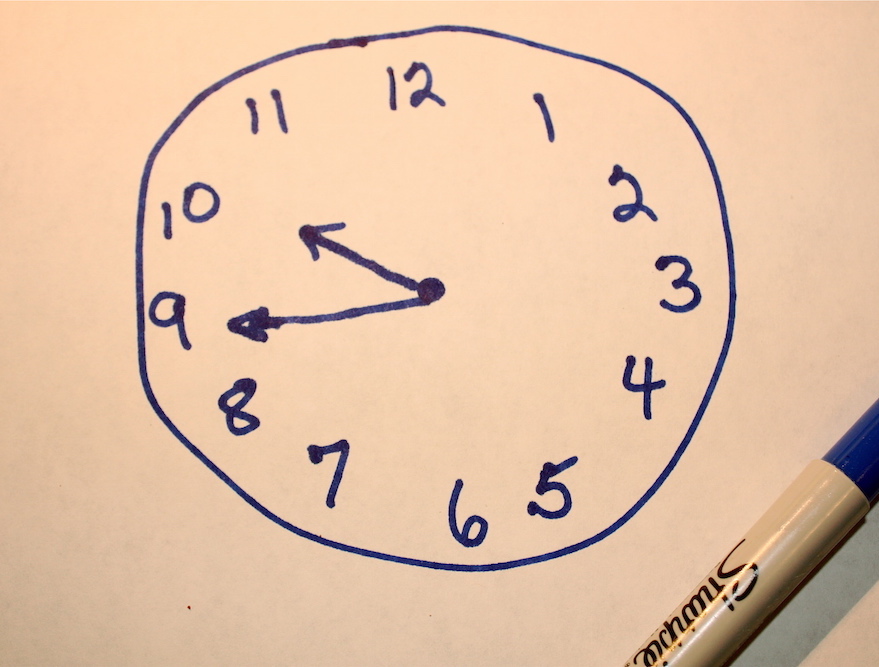
Mini-Cog for dementia diagnosis in the community

minicog-clock

Clarissa Giebel writes her debut Mental Elf blog about a recent Cochrane systematic review of the Mini-Cog for the diagnosis of Alzheimer’s disease dementia and other dementias within a community setting.

[read the full story...]