addiction

Addiction is defined as not having control over doing, taking or using something to the point where it could be harmful to you.

Addiction is most commonly associated with gambling, drugs, alcohol and smoking, but it’s possible to be addicted to just about anything, including work, the internet, shopping, solvents and sex.


Our addiction Blogs

The North American Opioid Crisis: how it came about and how to manage it

Close,Up,Of,Young,Woman,Taking,Prescription,Pill.,Medicine,,Health

Rob Poole explores the recently published Stanford-Lancet Commission report on the North American Opioid Crisis, which aims to understand the opioid crisis, propose solutions to the crisis in the USA and Canada, and attempt to stop its spread internationally.

[read the full story...]

How to measure cannabis use: introducing the ‘International Cannabis Toolkit’ or iCannToolkit

Marijuana,And,Weight,Loss.,Two,Green,Leaf,Of,Marijuana,,Hemp

Ian Hamilton looks at the new International Cannabis Toolkit (iCannToolkit) and considers why it’s so important that we have an internationally agreed and standardised measure for cannabis use.

[read the full story...]

Can psychosocial interventions help reduce parental substance use?

Little,Boy,Is,Playing,A,Toy,Car,And,Looking,Sadly

In her debut blog, Lilli Waples summarises a recent Cochrane Review on the effectiveness of psychosocial interventions to reduce parental substance use.

[read the full story...]

Opioid Agonist Treatment associated with 50% lower risk of mortality, but political epiphany still needed to reduce drug-related deaths

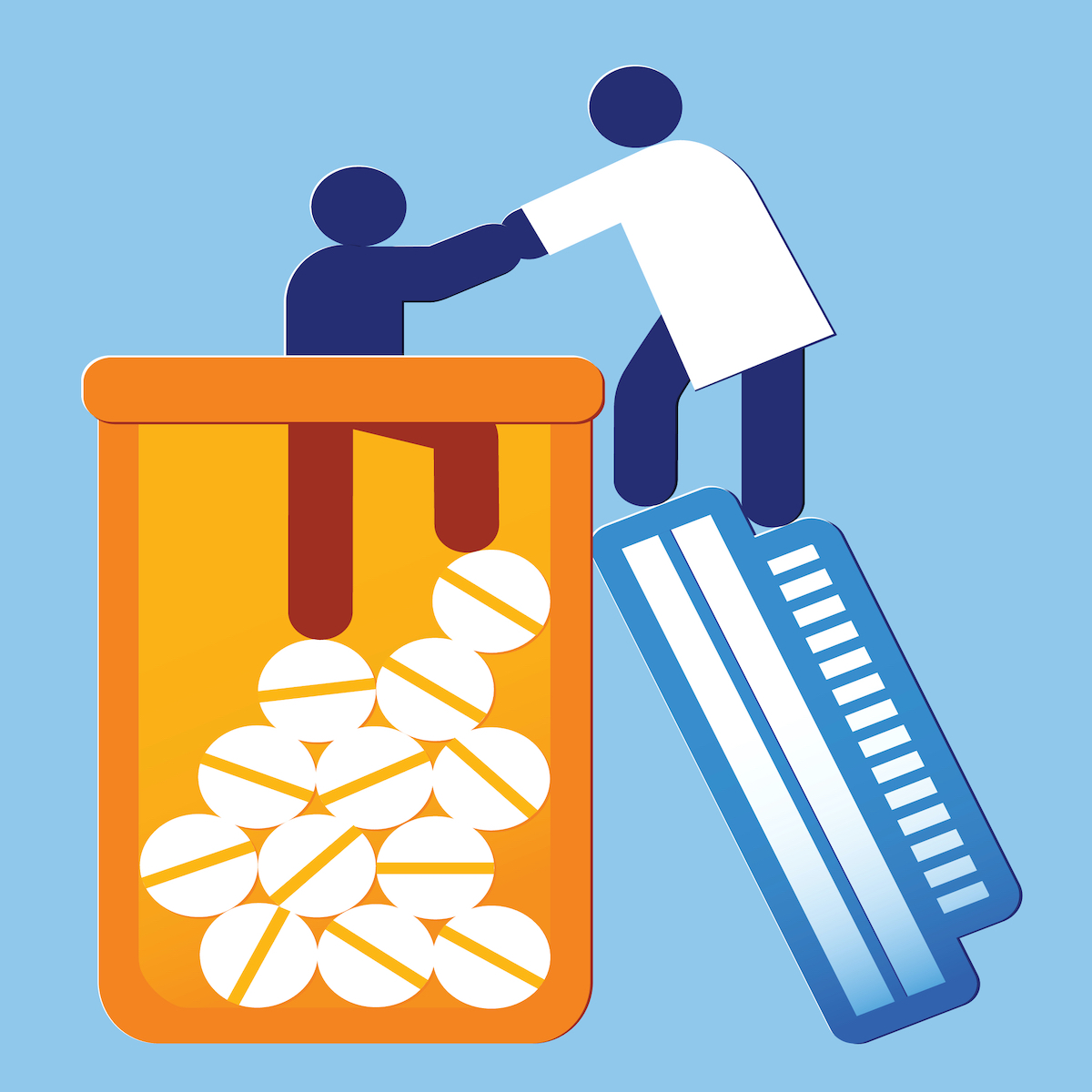
person being helped from pill bottle by healthcare provider - addiction recovery concept

Ian Hamilton appraises a systematic review and meta-analysis on the association of opioid agonist treatment with all-cause mortality and specific causes of death among people with opioid dependence.

[read the full story...]

Are homeless people more likely to die by suicide?

Featured

Ian Cummins explores a study that analysed data from the National Confidential Inquiry into Suicide and Safety in Mental Health, which finds that homeless people were more likely to die by suicide after discharge from hospital than non-homeless people.

[read the full story...]

Alcohol and bipolar: how does heavy alcohol use predict the course of bipolar disorder?

stephan-valentin-LbUzPqxPUAs-unsplash

Danielle Windget and Sammy Eden review a recent study on the patterns and clinical correlates of lifetime alcohol consumption in women and men with bipolar disorder.

[read the full story...]

MDMA-assisted psychotherapy for alcohol use disorder: is it feasible?

Empty,Small,Shots,Glass,In,Front,Of,Multiple,Blurry,Different

Anya Borissova reviews a recent UK pilot study which suggests that MDMA-assisted psychotherapy is a feasible intervention to use in people with alcohol use disorder. Now we need randomised trials that can reliably measure safety and effectiveness.

[read the full story...]

Cost-effective strategies for mental health workplace intervention

chris-montgomery-smgTvepind4-unsplash

Chris Sampson summarises a review on the cost-effectiveness of mental health workplace interventions, which presents up-to-date evidence on the different things that employers can do to help those in their workforce affected by mental health problems or substance misuse.

[read the full story...]

Stopping smoking in acute mental health units: what works?

andres-siimon-ryBnRg4c3L0-unsplash

Zoe Stoneley reviews a Taiwanese study on nicotine replacement therapy and healthy lifestyle psychoeducation for smoking reduction in acute psychiatric inpatients.

[read the full story...]